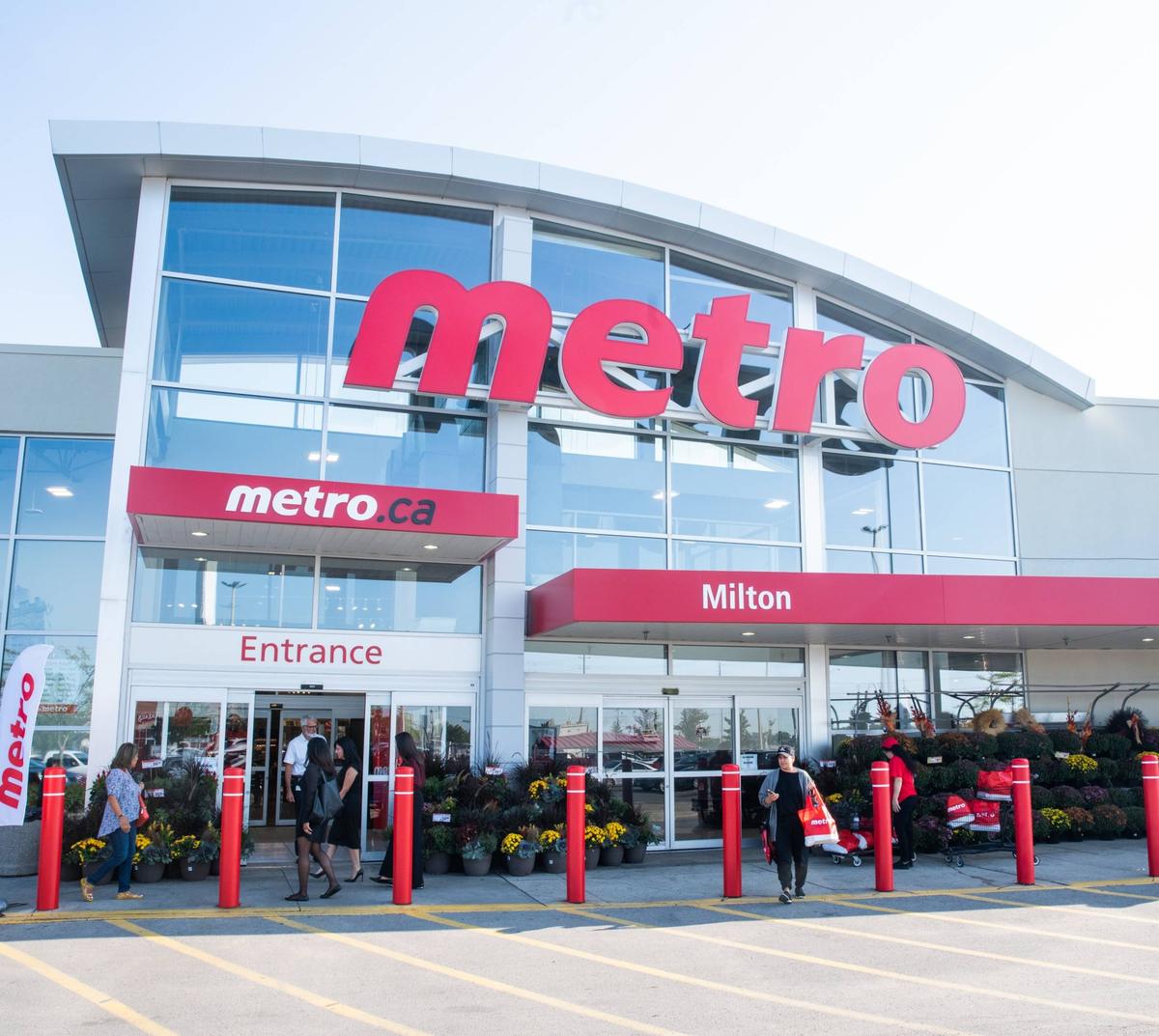
METRO Reports Q2 Financial Results with Sales Rising More than 4% From Last Year
Why It Matters
The results underscore Metro’s ability to grow revenue and earnings while rewarding investors, but the labour dispute highlights operational risk that could affect future profitability.
Key Takeaways
- •Q2 sales reached $5.1 billion, up 4.1% YoY.
- •Pharmacy same‑store sales rose 5.1%, outpacing food growth.
- •Net earnings climbed 12.1% to $246.6 million, EPS $1.16.
- •$222.5 million returned to shareholders via share buybacks.
- •Labour strike at Laval distribution center may pressure Q3 results.
Pulse Analysis
Metro’s Q2 performance reflects a broader shift in North‑American grocery retail toward discount formats and health‑focused pharmacy offerings. The 4.1% sales lift, anchored by a 1.8% rise in food same‑store sales and a 5.1% jump in pharmacy, signals that the company’s multi‑banner strategy is resonating with price‑sensitive consumers while capturing higher‑margin health spend. Expansion of discount banners such as Food Basics and the continued rollout of private‑label programs have fortified the top line, positioning Metro ahead of many regional peers still reliant on traditional grocery formats.
On the profitability front, Metro delivered a 12.1% increase in net earnings to $246.6 million, translating into a 17.2% surge in fully diluted EPS. The earnings boost stemmed from disciplined expense management, improved supply‑chain efficiencies, and a $222.5 million share‑repurchase program that returned capital to shareholders without diluting ownership. Compared with competitors like Loblaw and Sobeys, Metro’s earnings growth outpaces the sector average, suggesting its operational leverage and margin‑enhancing initiatives are bearing fruit. The company’s strong cash flow also supports its aggressive rollout plan of roughly a dozen new or converted stores this fiscal year.
However, the ongoing strike at Metro’s produce distribution centre in Laval introduces a notable risk. While management has activated contingency plans, any prolonged disruption could strain inventory levels, especially in fresh‑produce categories, and pressure Q3 results. The labour dispute also underscores the importance of workforce stability in a tightly margined retail environment. Metro’s forward outlook hinges on resolving the strike, sustaining its discount‑store expansion, and leveraging its pharmacy network to capture additional health‑care spend, all while maintaining the cost discipline that has driven recent earnings acceleration.
METRO reports Q2 financial results with sales rising more than 4% from last year
Comments
Want to join the conversation?
Loading comments...