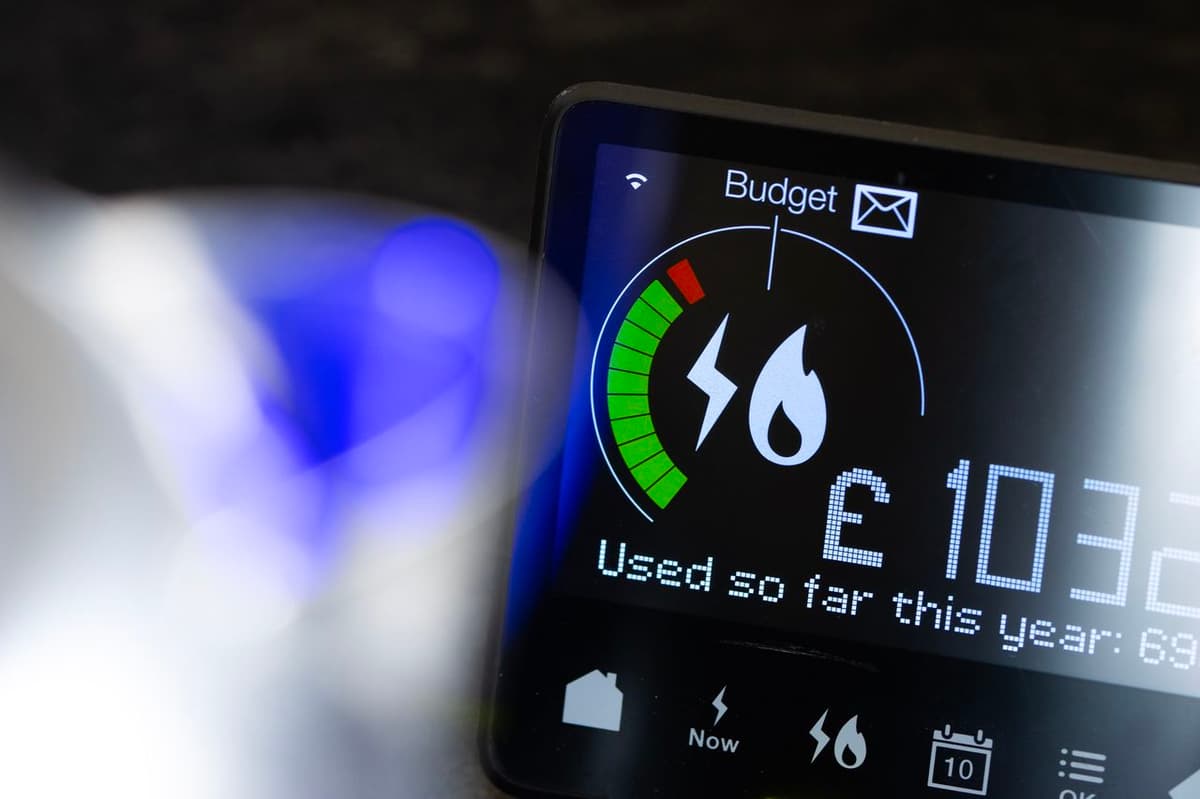
MoneyWeek News Quiz: Can You Get Smart Meter Compensation?
Companies Mentioned
Why It Matters
Compensation rules boost consumer protection and supplier accountability, while Premium Bonds winnings lift household savings and the BoE meeting foreshadows borrowing cost changes for businesses and investors.
Key Takeaways
- •Automatic compensation triggers after five‑day supplier silence.
- •Delayed smart‑meter appointments over six weeks now eligible.
- •February Premium Bonds produced two million‑pound winners.
- •BoE MPC meeting signals potential rate adjustments in 2026.
- •Consumer confidence may shift with utility and savings news.
Pulse Analysis
The latest smart‑meter compensation framework marks a decisive shift in UK utility regulation. By mandating automatic payouts when suppliers do not respond within five working days, the rule not only safeguards households from prolonged outages but also pressures energy firms to streamline fault‑resolution processes. Extending coverage to appointments delayed beyond six weeks further aligns supplier performance with consumer expectations, potentially prompting industry-wide investments in installation logistics and customer‑service technology.
Premium Bonds continue to capture public imagination, and February’s draw delivered two million‑pound jackpots that instantly elevated ordinary savers into high‑net‑worth status. Such windfalls can stimulate discretionary spending and reinforce the appeal of government‑backed savings products, especially in a low‑interest environment. Analysts note that the occasional large prize injects a modest boost to consumer confidence, while the broader pool of smaller winnings sustains a steady flow of participation, supporting the Treasury’s cost‑effective method of raising capital.
The Bank of England’s Monetary Policy Committee gathered for its first 2026 session, a pivotal moment for monetary policy direction. With inflationary pressures still in flux, the committee’s deliberations on interest‑rate trajectories will influence borrowing costs across the economy, from mortgages to corporate loans. Market participants watch for cues on rate hikes or pauses, as these decisions affect equity valuations, currency strength, and the broader investment climate. The intersection of regulatory consumer safeguards, savings incentives, and monetary policy underscores a dynamic landscape where fiscal and financial levers jointly shape household and business outlooks.
MoneyWeek news quiz: Can you get smart meter compensation?


Comments
Want to join the conversation?
Loading comments...