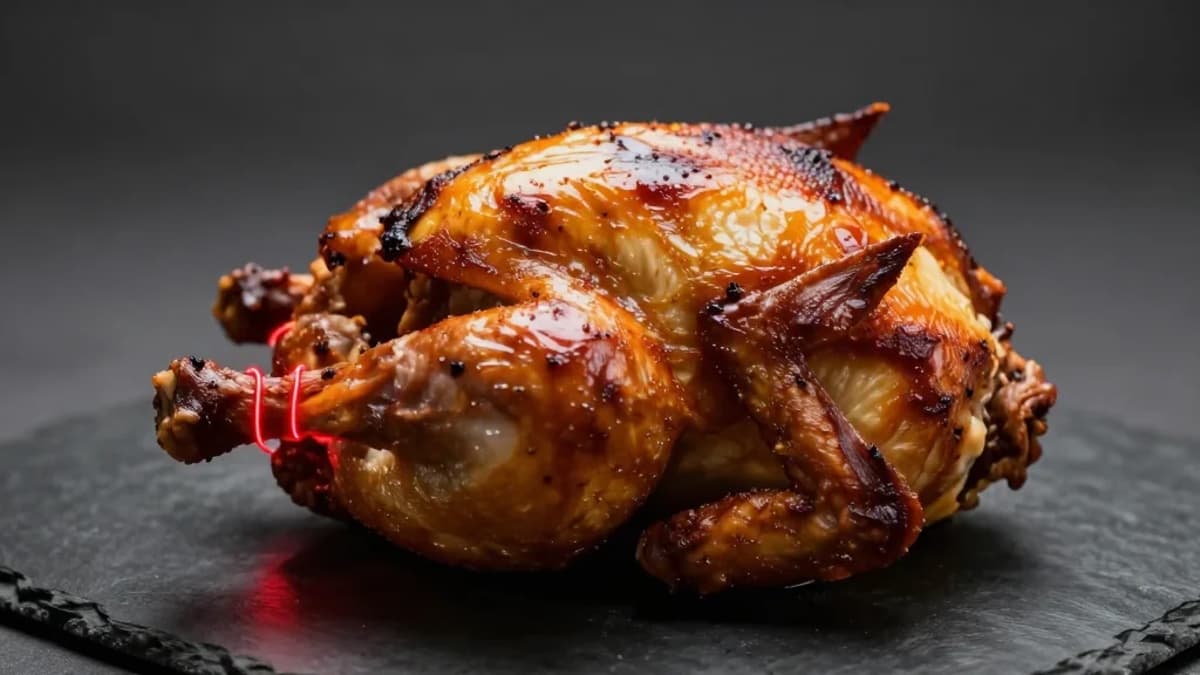
Once Beloved Chicken Chain on Life Support After Closing More than 1,000 Restaurants
•February 24, 2026
0
Why It Matters
The collapse highlights how quality erosion and competitive pricing from non‑restaurant players can devastate a legacy brand, reshaping the fast‑casual chicken segment.
Key Takeaways
- •Boston Market down to under 20 locations.
- •Owner filed $10‑$50M bankruptcy, rejected by courts.
- •Cost cuts reduced food quality, hurting brand.
- •Grocery rotisserie chickens undercut restaurant pricing.
- •Hundreds of vendor and employee lawsuits filed.
Pulse Analysis
Rotisserie chicken has become a staple of the American fast‑food landscape, with giants such as Popeyes, Chick‑fil‑A and KFC dominating menu boards. Boston Market, launched as Boston Chicken in 1985, once operated more than 1,200 locations during the 1990s, positioning itself as a family‑focused, home‑style dining option. The chain’s rapid expansion was fueled by a niche that combined quick service with a wholesome image, allowing it to capture a loyal customer base that prized its signature rotisserie meals.
The decline began in the early 2000s as Boston Market pursued aggressive cost‑containment, trimming ingredients and labor to preserve margins. Analysts argue that these cuts eroded the very quality that differentiated the brand, prompting customers to turn to lower‑priced alternatives. Simultaneously, big‑box retailers such as Costco and regional grocery chains introduced ready‑made rotisserie chickens at prices that undercut the restaurant’s value proposition. Financial strain culminated in owner Jay Pandya filing for bankruptcy with $10‑$50 million in liabilities, a petition repeatedly rejected by courts amid hundreds of vendor and employee lawsuits.
Boston Market’s near‑collapse underscores a broader industry lesson: brand equity anchored in product quality cannot survive prolonged dilution. The rise of grocery‑store rotisserie offerings illustrates how non‑traditional players can disrupt legacy restaurant models by leveraging scale and price advantage. For surviving chicken‑centric chains, investing in differentiated menu innovation and maintaining consistent quality are essential to retain market share. Observers will watch whether Boston Market can restructure, perhaps through franchising or a focused upscale concept, or if its remaining locations become relics of a bygone fast‑casual era.
Once beloved chicken chain on life support after closing more than 1,000 restaurants
0
Comments
Want to join the conversation?
Loading comments...