Primark to Be Spun Off Into Stand-Alone Company
Companies Mentioned
Why It Matters
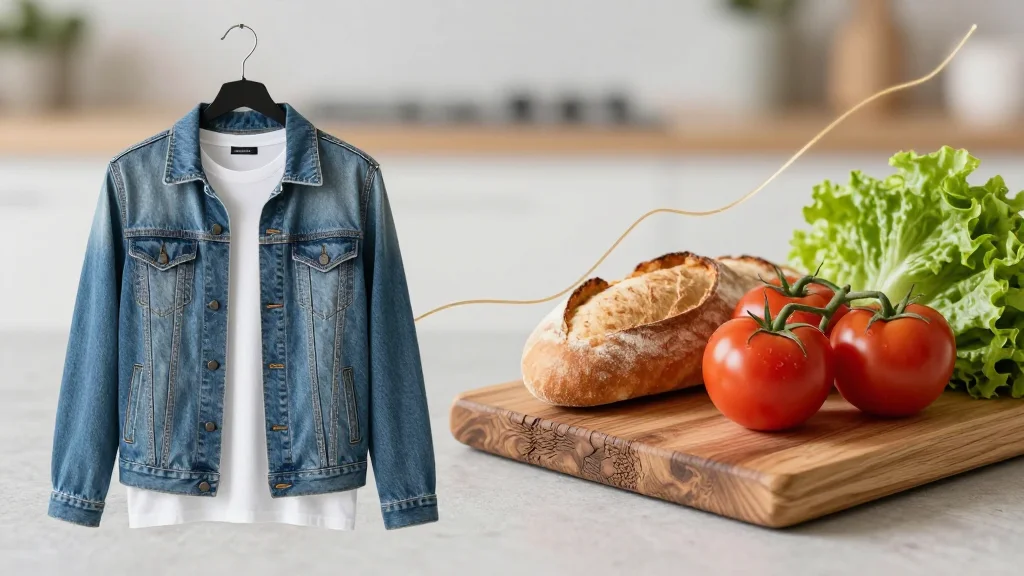
The split lets each business pursue tailored growth strategies, unlocking shareholder value and reducing the drag of divergent market dynamics. It also signals a broader industry shift as retailers disentangle fashion from food to better address fast‑fashion volatility and consumer spending trends.
Key Takeaways
- •ABF will demerge Primark and FoodCo by end of 2027
- •Both entities to list on London Stock Exchange; FoodCo keeps ABF name
- •Primark CEO Eoin Tonge appointed; new CCO from H&M joins
- •Primark expands US footprint with Manhattan flagship opening May 8
- •ABF revenue flat at $13bn; operating profit fell ~7% to $900m
Pulse Analysis
The decision to carve out Primark from Associated British Foods reflects a growing consensus among conglomerates that focused, stand‑alone entities can better navigate sector‑specific headwinds. Primark’s business model, heavily weighted toward low‑price, high‑volume apparel in the UK and Europe, has been pressured by rising competition from ultra‑discount online players such as Shein and Temu, as well as by supply‑chain cost inflation. By separating from the food division, Primark can concentrate capital on digital upgrades, store refreshes, and its nascent U.S. expansion without the need to align with the slower‑moving grocery and bakery segments.
For shareholders, the demerger promises dual‑share ownership, allowing investors to allocate capital between a resilient food business and a fashion retailer poised for a turnaround. ABF’s latest interim results showed revenue essentially flat at $13 billion, while operating profit slipped to about $900 million, underscoring the urgency of a strategic reset. The appointment of Eoin Tonge as Primark’s permanent CEO and the addition of a chief commercial officer from H&M signal a renewed emphasis on commercial discipline and brand relevance, especially as the company prepares to open its flagship Manhattan store—a symbolic step toward diversifying its geographic revenue base.
Industry analysts view the split as a bellwether for the fast‑fashion sector, which is grappling with a consumer shift toward sustainability and price sensitivity. By unbundling, ABF reduces the risk of cross‑segment contagion; a prolonged geopolitical shock, such as the Iran conflict, would affect Primark’s sales but leave FoodCo insulated. The move also aligns with investor appetite for clearer earnings narratives, potentially attracting higher valuation multiples for both entities once they trade independently.
Primark to be spun off into stand-alone company
Comments
Want to join the conversation?
Loading comments...