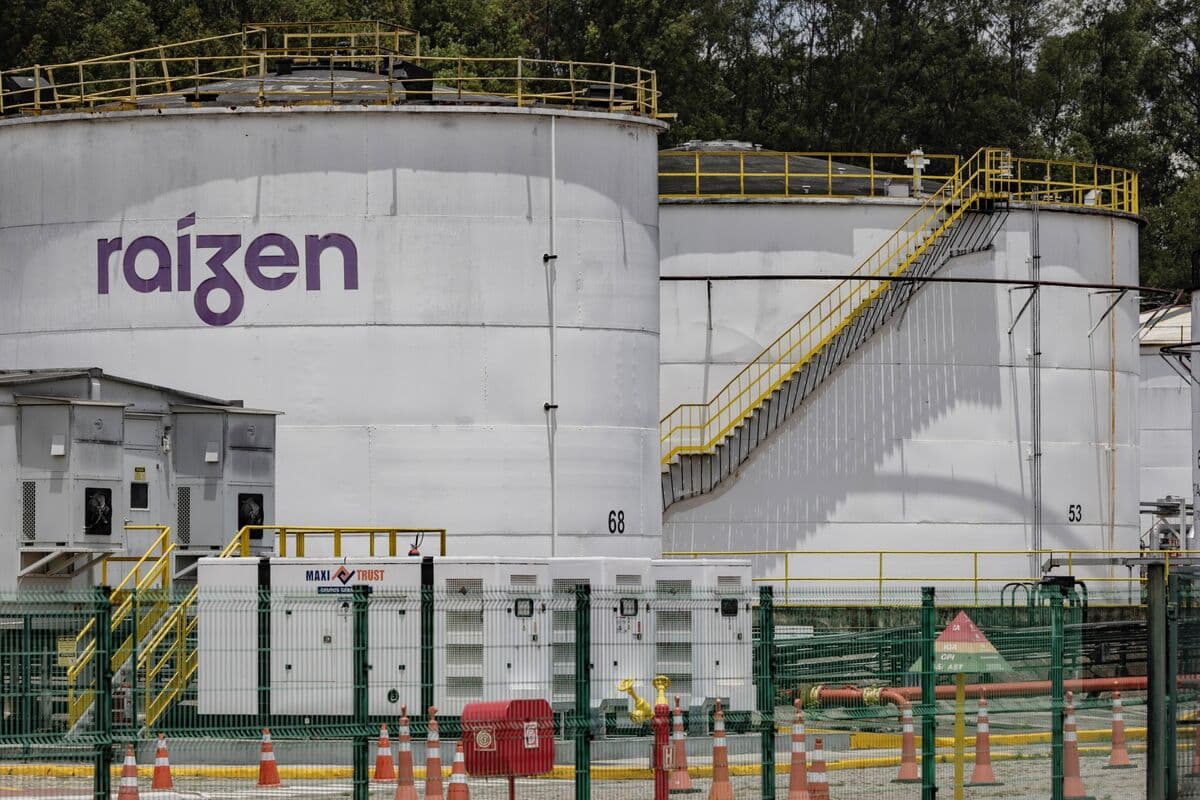
Raízen Adds Cash in Offer to Creditors, Balks at Board Changes
Why It Matters
The outcome will determine whether Brazil’s largest sugar‑ethanol and fuel producer can complete its debt overhaul without diluting existing ownership, affecting both its operational stability and the broader energy‑finance market.
Key Takeaways
- •Raízen proposes $0.5‑$1 bn fresh capital to address $13 bn debt
- •Creditors asked for 8 bn‑real injection, higher than proposal
- •Company refuses to relinquish board control to creditors
- •Deal hinges on balancing governance with debt relief
Pulse Analysis
Raízen SA, the joint venture between Petrobras and Cosan, commands a dominant position in Brazil’s sugar‑cane ethanol and fuel market. Its $13 billion debt, accrued from aggressive expansion and recent commodity price swings, has become a focal point for investors and regulators. By proposing a fresh capital raise of roughly $0.5‑$1 billion, Raízen signals a willingness to inject liquidity while avoiding the larger 8 billion‑real contribution demanded by its creditor consortium. This approach reflects a broader trend among Latin American corporates to seek modest equity infusions rather than cede strategic control.
The crux of the negotiation lies in governance. Creditors, wary of default risk, have pressed for board representation to safeguard their interests. Raízen’s refusal to surrender board seats underscores its priority to maintain existing shareholder influence, particularly given the strategic importance of its biofuel operations to Brazil’s energy transition goals. Preserving board autonomy also protects the company’s long‑term strategic roadmap, which includes expanding renewable fuel capacity and leveraging its integrated supply chain.
Market observers note that the resolution of this restructuring will reverberate across the region’s energy financing landscape. A successful deal could restore confidence in Brazil’s corporate debt markets, encouraging further investment in renewable infrastructure. Conversely, a protracted standoff may trigger rating downgrades and increase borrowing costs for similar firms. Stakeholders, from institutional investors to policy makers, will watch closely as Raízen balances capital needs with governance safeguards, setting a precedent for future large‑scale restructurings in emerging markets.
Raízen Adds Cash in Offer to Creditors, Balks at Board Changes
Comments
Want to join the conversation?
Loading comments...