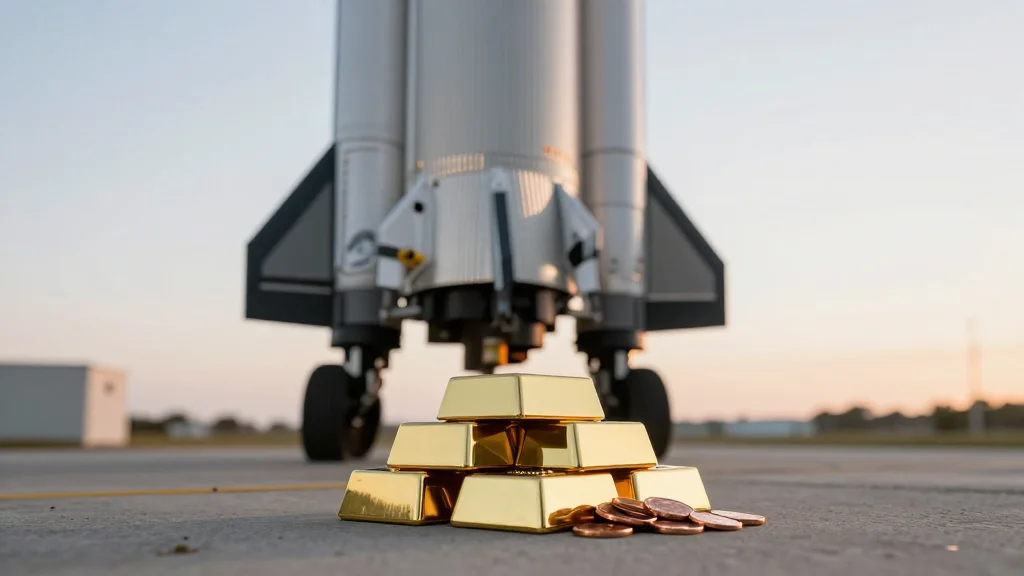
SpaceX Poised for $2 Trillion IPO, Sparking Questions on Elon Musk’s Liquidity Strategy

Companies Mentioned
Why It Matters
The SpaceX IPO would be a watershed for capital markets, introducing a new class of ultra‑large, vertically integrated tech‑space conglomerates to public investors. Its size could recalibrate valuation benchmarks for future aerospace and AI listings, while the inclusion of a sizable Bitcoin position blurs the line between traditional equity and digital‑asset exposure, potentially prompting regulators to revisit disclosure standards for crypto holdings. For wealth‑management firms and family offices, Musk’s liquidity strategy is a case study in how billionaire founders balance personal asset diversification with corporate financing needs. Whether Musk chooses to sell personal Bitcoin, retain cash, or reinvest IPO proceeds into ambitious projects will influence how other high‑net‑worth founders approach public listings and asset allocation.
Key Takeaways
- •SpaceX aims for a June IPO valued at $1.5‑$2 trillion, the largest ever
- •Quinn Slobodian highlighted the projected valuation in a public interview
- •SpaceX’s balance sheet holds 8,285 Bitcoin, worth about $650 million
- •The offering could reshape valuation norms for aerospace and AI firms
- •Musk’s liquidity choices—selling Bitcoin, using proceeds for Terafab, or retaining cash—will set a precedent for billionaire‑led IPOs
Pulse Analysis
SpaceX’s potential IPO is more than a financial milestone; it is a strategic pivot that could redefine how conglomerates raise capital in the era of hyper‑growth tech. Historically, the largest public offerings have been anchored by mature, cash‑generating businesses. SpaceX, by contrast, is still heavily reinvesting revenue into R&D, Starship development, and a nascent space‑based data‑center vision. The market will therefore price a premium for future growth, but also demand a clear path to cash flow, especially given Musk’s track record of using equity to fund moonshot projects.
The Bitcoin exposure adds a layer of complexity. Investors who are bullish on crypto may view the indirect exposure as a hedge against fiat inflation, while risk‑averse funds could see it as an unwanted volatility source. If the IPO prospectus discloses the crypto holdings and outlines a lock‑up period, it could set a new standard for transparency around digital assets in public filings. Conversely, any hint that Musk might liquidate the Bitcoin to fund Terafab could trigger a sell‑off in the crypto market, echoing past price spikes tied to his social media comments.
Finally, the IPO will test the appetite of a market that has grown weary of mega‑valuations after a string of high‑profile tech disappointments. Success would validate the appetite for ultra‑large, founder‑led offerings and could spark a wave of similar listings from other space‑tech firms. Failure, however, would reinforce skepticism about the sustainability of valuations that outpace near‑term earnings, potentially tightening capital for the next generation of aerospace innovators.
SpaceX Poised for $2 Trillion IPO, Sparking Questions on Elon Musk’s Liquidity Strategy
Comments
Want to join the conversation?
Loading comments...