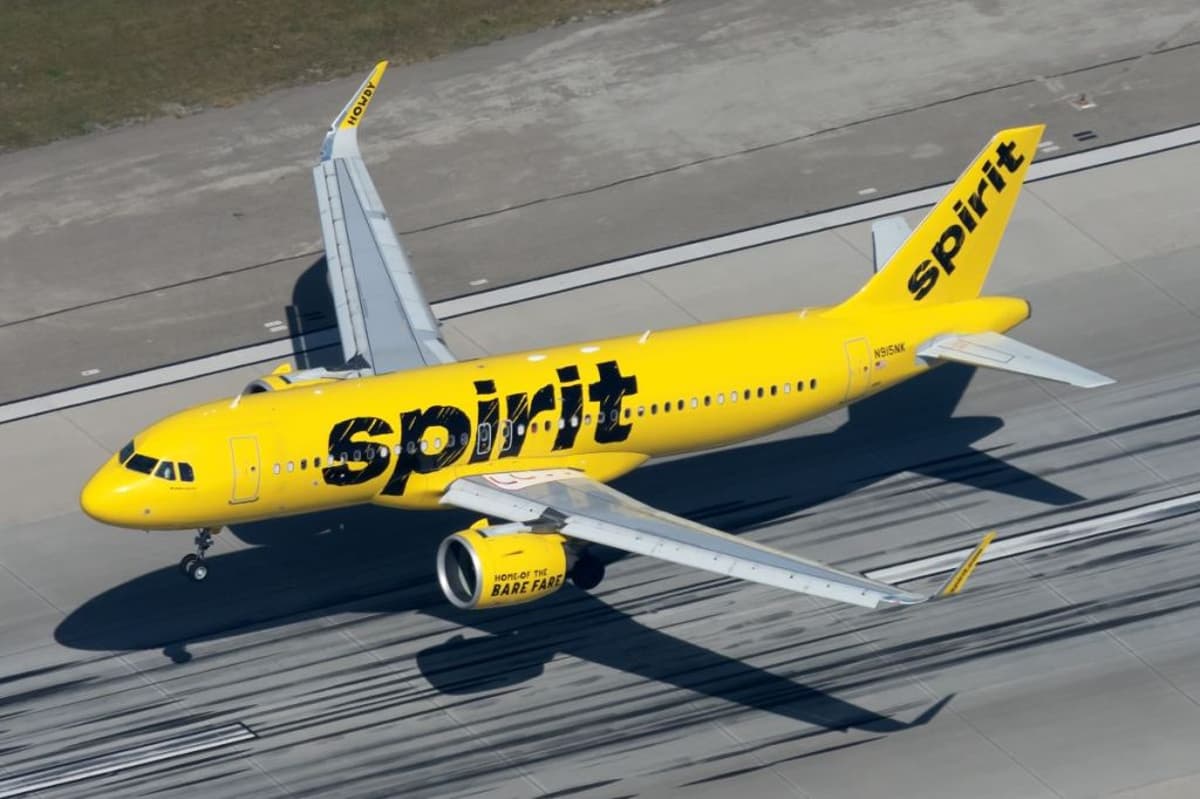
Spirit Details Final Hours and Lays Out Liquidation Plan in 500+ Page Filing
Why It Matters
The collapse underscores how geopolitical fuel shocks can cripple low‑cost carriers, reshaping the U.S. airline landscape and raising regulatory scrutiny on bailout policies.
Key Takeaways
- •Spirit burned $100 million on fuel in two months
- •Liquidation filing follows failed government bailout attempt
- •≈ 17,000 jobs at risk in the wind‑down
- •Unions demand protections and benefits for displaced employees
Pulse Analysis
The airline industry’s exposure to volatile fuel prices has never been more evident than in Spirit Airlines’ rapid descent into liquidation. Geopolitical tensions, notably the Iran conflict, have driven jet fuel premiums to historic highs, eroding the thin margins that low‑cost carriers rely on. Spirit’s $100 million fuel outlay over just two months illustrates how quickly external shocks can overwhelm even aggressive cost‑control strategies, prompting investors and regulators to reassess risk models for budget airlines.
Spirit’s court filing outlines a structured wind‑down, seeking swift court approval to liquidate assets and mitigate further losses. The process will involve auctioning aircraft, slots, and ancillary assets, with proceeds earmarked for creditor settlements. However, the human cost is stark: roughly 17,000 employees face job loss, and unions are mobilizing to secure severance, continued health benefits, and retraining programs. This labor push highlights the growing importance of collective bargaining in safeguarding workers amid corporate bankruptcies.
The broader implications extend beyond Spirit’s balance sheet. The airline’s failure may trigger tighter scrutiny of government bailout criteria, especially for carriers deemed systemically important. Competitors could see a short‑term capacity vacuum, potentially driving up fares on routes previously dominated by Spirit’s ultra‑low‑cost model. Meanwhile, investors may demand more robust hedging strategies against fuel price spikes, reshaping capital allocation across the sector. In sum, Spirit’s liquidation serves as a cautionary tale of how geopolitical events, fuel economics, and policy decisions intersect to reshape the aviation market.
Spirit Details Final Hours and Lays Out Liquidation Plan in 500+ Page Filing
Comments
Want to join the conversation?
Loading comments...