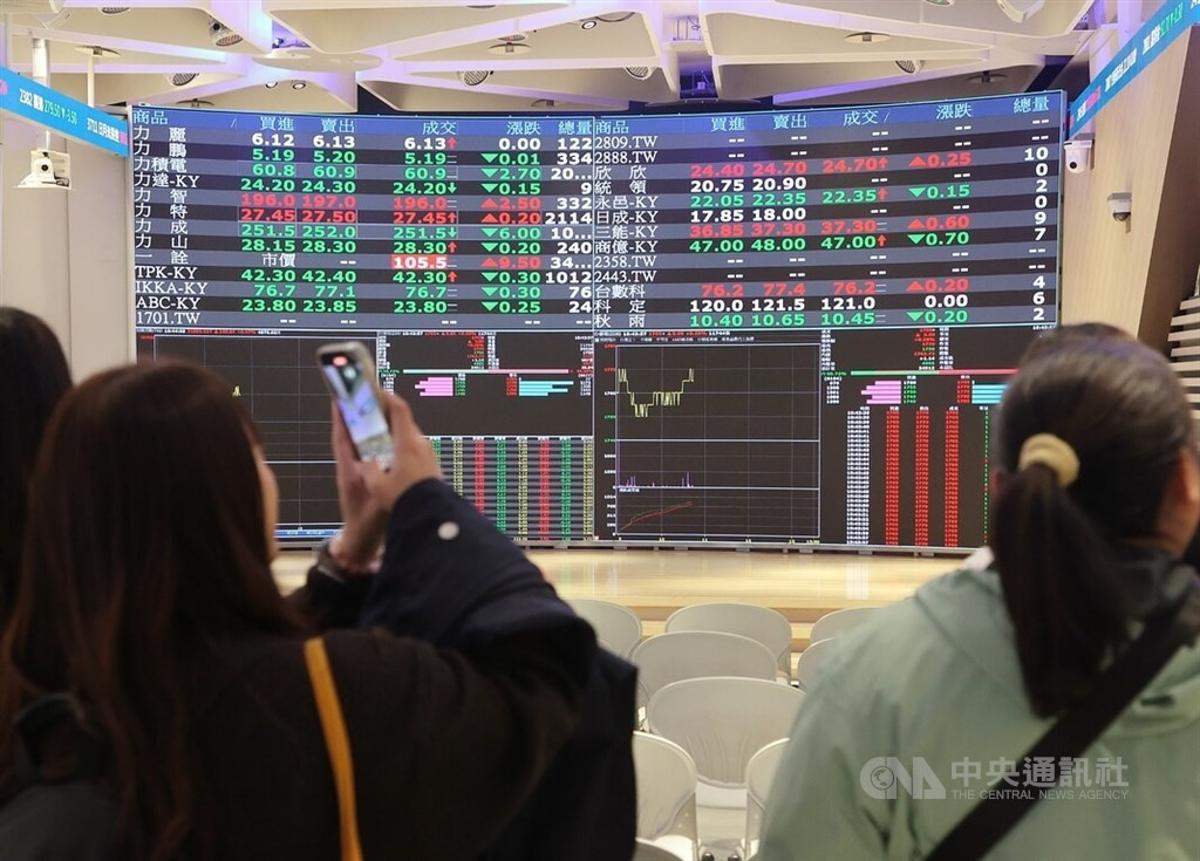
Stabilization Fund to Not Intervene Despite Middle East Conflict
Why It Matters
The decision signals confidence in Taiwan’s market resilience, reducing fiscal exposure while reassuring foreign investors amid global geopolitical tension. It also underscores the effectiveness of Taiwan’s macro‑policy tools in mitigating external shocks.
Key Takeaways
- •$15.75 bn stabilization fund remains idle despite Middle East turmoil
- •Taiwan’s Taiex index rose 16% after fund’s market withdrawal
- •Fund posted $254 million net profit in Q1, holding $112 million in stocks
- •Strong exports and price‑stabilization measures underpin market confidence
- •Longest past intervention lasted 279 days, ending Jan 12
Pulse Analysis
Stabilization funds serve as sovereign backstops against sudden market shocks, and Taiwan’s National Financial Stabilization Fund is one of the longest‑standing examples. Established in 2000 with a $15.75 billion capital base, the fund has been deployed during periods of heightened external risk, from the 2008 financial crisis to recent tariff‑induced volatility. The current decision to stay on the sidelines comes as the Israel‑Iran war rattles global oil markets, yet Taiwan’s policymakers argue that domestic fundamentals and targeted price‑stabilization measures are sufficient to absorb the spillover.
Since the fund’s withdrawal on Jan. 12, the Taiex benchmark has rallied roughly 16%, suggesting that market sentiment remains buoyant despite the broader geopolitical backdrop. Taiwan’s export‑driven economy continues to post robust sales growth, and the Ministry of Finance reports a Q1 net profit of about $254 million for the fund, alongside $112 million in retained equity positions and $40 million in unrealized gains. These figures highlight that the fund’s prior interventions generated tangible returns while preserving liquidity for future contingencies.
For investors, the fund’s restraint signals a vote of confidence in Taiwan’s economic resilience, potentially lowering perceived sovereign risk premiums. It also illustrates how disciplined macro‑policy—such as strategic oil‑price buffers and fiscal prudence—can mitigate the need for costly market bailouts. Nonetheless, continued monitoring of Middle East developments and global commodity flows remains essential, as any escalation could test the limits of Taiwan’s current stabilization framework.
Stabilization fund to not intervene despite Middle East conflict
Comments
Want to join the conversation?
Loading comments...