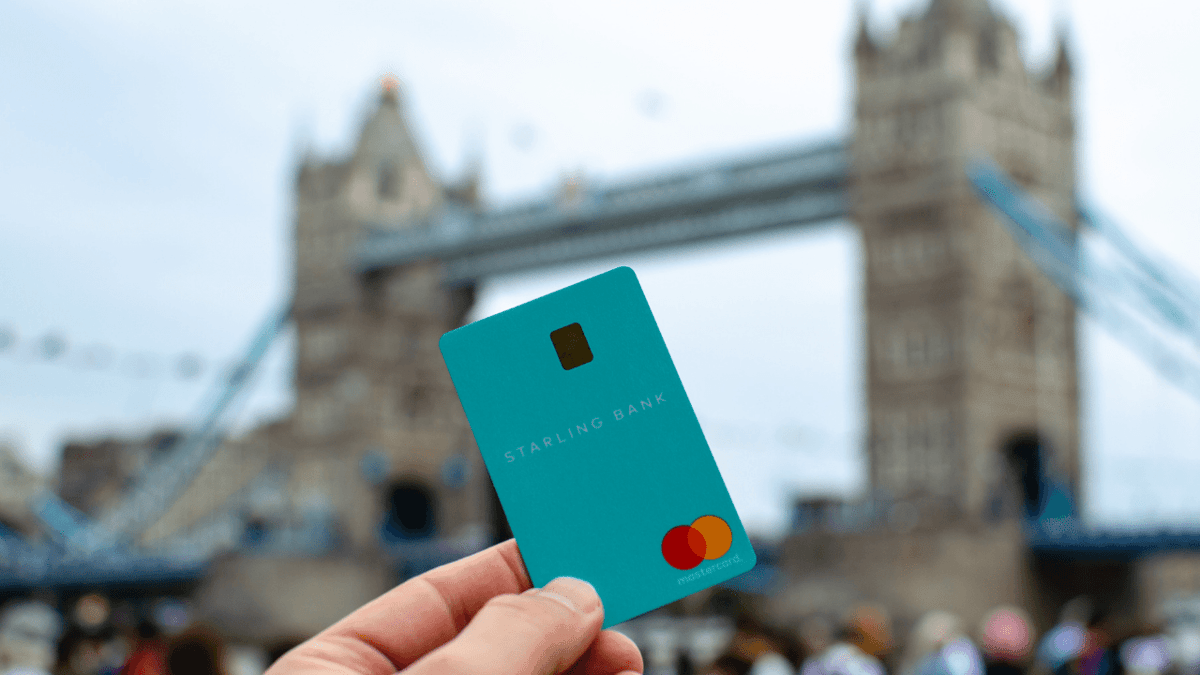
Starling No Plans to Enter “Massively Overserved” US Retail Banking Market
Companies Mentioned

Why It Matters
Starling’s pivot underscores a broader trend of European challenger banks favoring platform‑based B2B growth over direct retail competition, reshaping the US fintech landscape.
Key Takeaways
- •Starling will not pursue a US retail banking license.
- •Focus shifts to its B2B Engine platform through a Delaware subsidiary.
- •Planning a modest acquisition instead of buying a full US bank.
- •Targets US market entry within two years via business services.
Pulse Analysis
The United States retail banking sector is saturated with legacy institutions and a plethora of fintech entrants, making it a daunting arena for foreign banks seeking a consumer foothold. Starling’s assessment that the market is "massively overserved" reflects the high cost of customer acquisition and regulatory hurdles that have deterred many overseas challengers. By opting out of a full‑scale retail launch, Starling avoids the costly race for deposit growth and instead channels resources into a more defensible niche.
Starling’s Engine platform, launched as a subsidiary in 2022, offers a cloud‑native banking stack that enables partners to embed digital onboarding, savings accounts, and other financial services directly into their products. The platform’s recent win with Tangerine Bank, a Scotiabank subsidiary, validates its appeal to established banks seeking to modernize quickly. With a dedicated Delaware entity and leadership from former McKinsey partner Jody Bhagat, Engine is positioned to sell multi‑million‑dollar contracts to U.S. fintechs and traditional banks alike, turning Starling into a technology exporter rather than a direct consumer bank.
The move mirrors a strategic realignment among UK challengers: Monzo is exiting the U.S., while Revolut is pursuing a national banking licence to broaden its services. Starling’s B2B‑first approach could accelerate the adoption of plug‑and‑play banking infrastructure in the United States, lowering entry barriers for niche players and fostering a more modular financial ecosystem. As platform providers gain traction, the competitive dynamics shift from brand‑centric retail battles to partnerships that amplify capabilities across the industry.
Starling no plans to enter “massively overserved” US retail banking market
Comments
Want to join the conversation?
Loading comments...