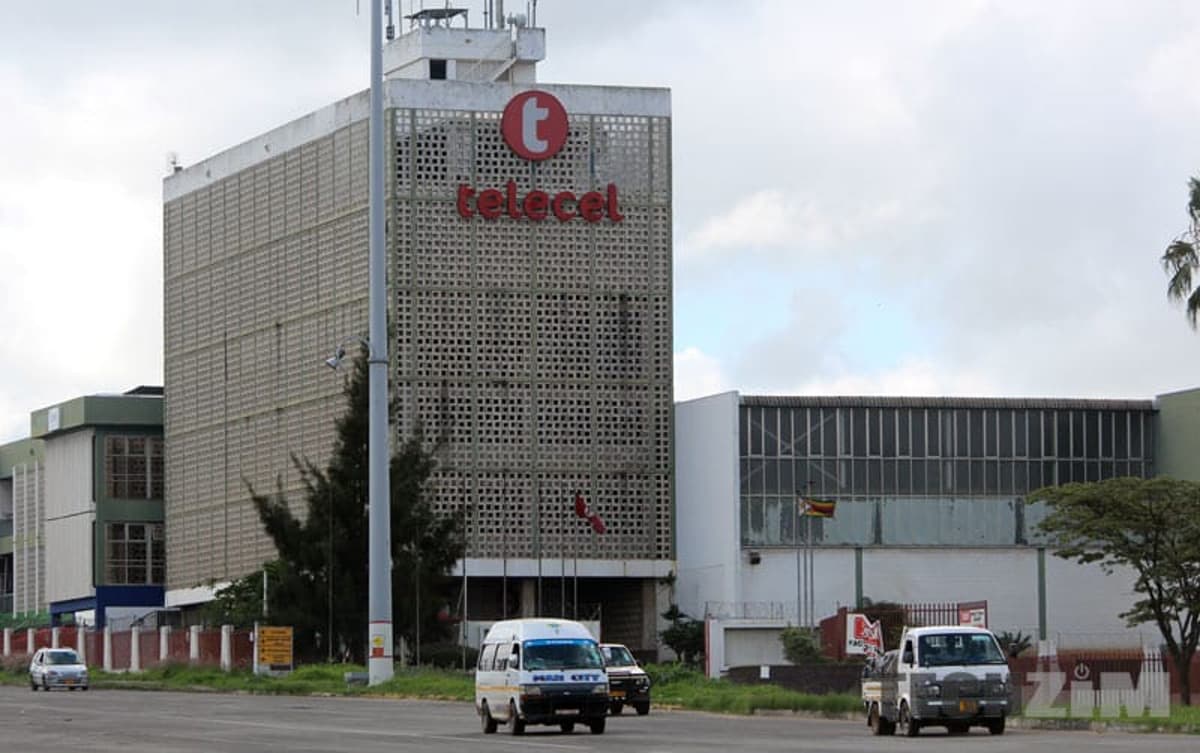
Struggling Telecel Zimbabwe Put up for Sale Amid $240M Debt Crisis
Why It Matters
The sale determines whether Zimbabwe’s telecom sector remains a competitive three‑player market or collapses into a duopoly, affecting pricing, service quality, and investment appetite across the region.
Key Takeaways
- •Telecel listed for sale with deadline April 28 2026.
- •Company carries over $240 million debt and <2% market share.
- •Subscribers fell to ~319,000, down sharply from peak.
- •Mobile‑money platform Telecash remains only growth lever.
- •Failure to sell could leave Zimbabwe with two‑operator market.
Pulse Analysis
Telecel Zimbabwe’s sale marks a pivotal moment for one of Africa’s most embattled telecoms. After a court‑ordered rescue that started in late 2025, the company now faces a $240 million debt pile and a subscriber base that has dwindled to roughly 319,000, translating to less than 2% of the market. The operator’s infrastructure is a shadow of its rivals, with only a handful of LTE sites and no 5G deployment, meaning any prospective buyer must budget heavily for network refurbishment. The only viable revenue stream left is Telecash, the mobile‑money service that still captures a slice of the digital payments market dominated by Econet’s EcoCash.
The broader Zimbabwean telecom landscape is being reshaped by Telecel’s distress. Econet Wireless and NetOne now command the lion’s share of customers, pricing power, and spectrum assets, while the loss of a third competitor would cement a duopoly and potentially raise consumer prices. Moreover, the country’s economic volatility and past ownership disputes—stemming from indigenisation laws and a disputed $40 million state purchase—have eroded investor confidence. Rebuilding the network would require not just capital but also technical expertise that Telecel has lacked since the exit of foreign partners.
For investors, the deal is a high‑risk, high‑reward proposition. The low subscriber count and heavy debt suggest a steep discount, yet the Telecash platform offers a foothold in a market where mobile money is essential for everyday transactions. Success could revive competition, spur better pricing, and attract further foreign investment into Zimbabwe’s telecom sector, setting a precedent for other struggling operators across Africa. Conversely, if no buyer emerges, the market may contract, reducing consumer choice and slowing digital inclusion efforts continent‑wide.
Struggling Telecel Zimbabwe put up for sale amid $240M debt crisis
Comments
Want to join the conversation?
Loading comments...