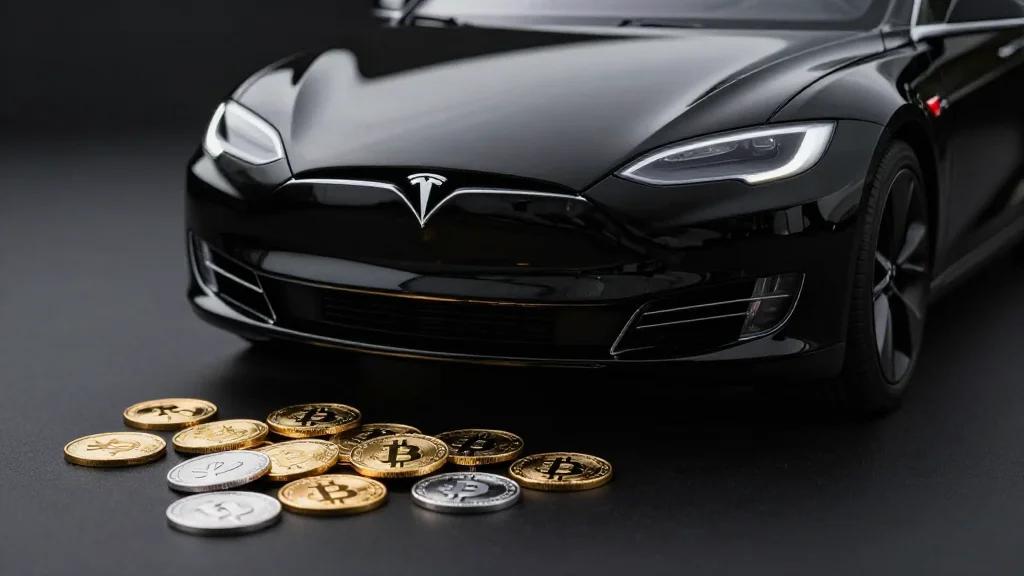
Tesla Q1 Loss on Digital Assets Triggers Market Scrutiny

Why It Matters
Tesla’s Q1 digital‑asset loss spotlights the broader challenge of integrating volatile cryptocurrency holdings into a traditionally manufacturing‑heavy balance sheet. The episode underscores how non‑core assets can quickly erode earnings, especially when a company’s growth narrative leans heavily on speculative technologies. Moreover, the robotaxi delay amplifies execution risk for a firm that has positioned AI and autonomous driving as the next revenue engine. Investors and analysts will closely monitor whether Tesla can align its ambitious roadmap with consistent financial performance, a balance that will influence valuation multiples across the EV and tech sectors. The episode also reverberates beyond Tesla, signaling to other automakers and tech firms that diversification into digital assets and AI‑driven services carries both upside potential and heightened scrutiny. Market participants may demand clearer milestones and risk‑mitigation strategies before assigning premium valuations to similar hybrid business models.
Key Takeaways
- •Tesla posted a $222 million loss on its digital assets portfolio in Q1.
- •Vehicle deliveries remained strong, but the robotaxi timeline remains unclear.
- •Shares slipped modestly in pre‑market trading after the earnings release.
- •Analysts cite execution risk for Tesla’s AI and autonomous‑driving ambitions.
- •The loss highlights volatility of integrating cryptocurrency holdings into automotive earnings.
Pulse Analysis
Tesla’s Q1 results illustrate a classic tension between high‑growth aspirations and the discipline of quarterly earnings. The $222 million digital‑asset loss is a reminder that crypto exposure can swing earnings dramatically, especially when a company’s core business is still rooted in capital‑intensive manufacturing. Historically, automakers that have ventured into speculative assets have faced investor backlash when those bets underperform, as seen with earlier forays into battery‑swap ventures and proprietary charging networks.
The robotaxi delay compounds the narrative. While Tesla’s autonomous‑driving stack is technically advanced, the commercial rollout requires not just software readiness but also regulatory clearance, fleet economics, and consumer trust. The absence of a concrete timeline in the earnings release fuels skepticism, especially as rivals like Waymo and Cruise have already begun limited deployments. If Tesla cannot demonstrate a clear path to monetizing autonomous rides, its valuation premium—largely predicated on future AI revenue—could compress.
Looking forward, Tesla’s management will need to balance two competing imperatives: continue to deliver record vehicle volumes while de‑risking its non‑core assets. This may involve trimming cryptocurrency exposure, providing transparent milestones for the robotaxi, and possibly partnering with established ride‑hailing platforms to accelerate market entry. The market’s reaction to the next earnings call will likely set the tone for the broader EV sector’s valuation, as investors gauge whether Tesla’s AI ambitions are a genuine growth catalyst or an over‑hyped distraction.
Tesla Q1 Loss on Digital Assets Triggers Market Scrutiny
Comments
Want to join the conversation?
Loading comments...