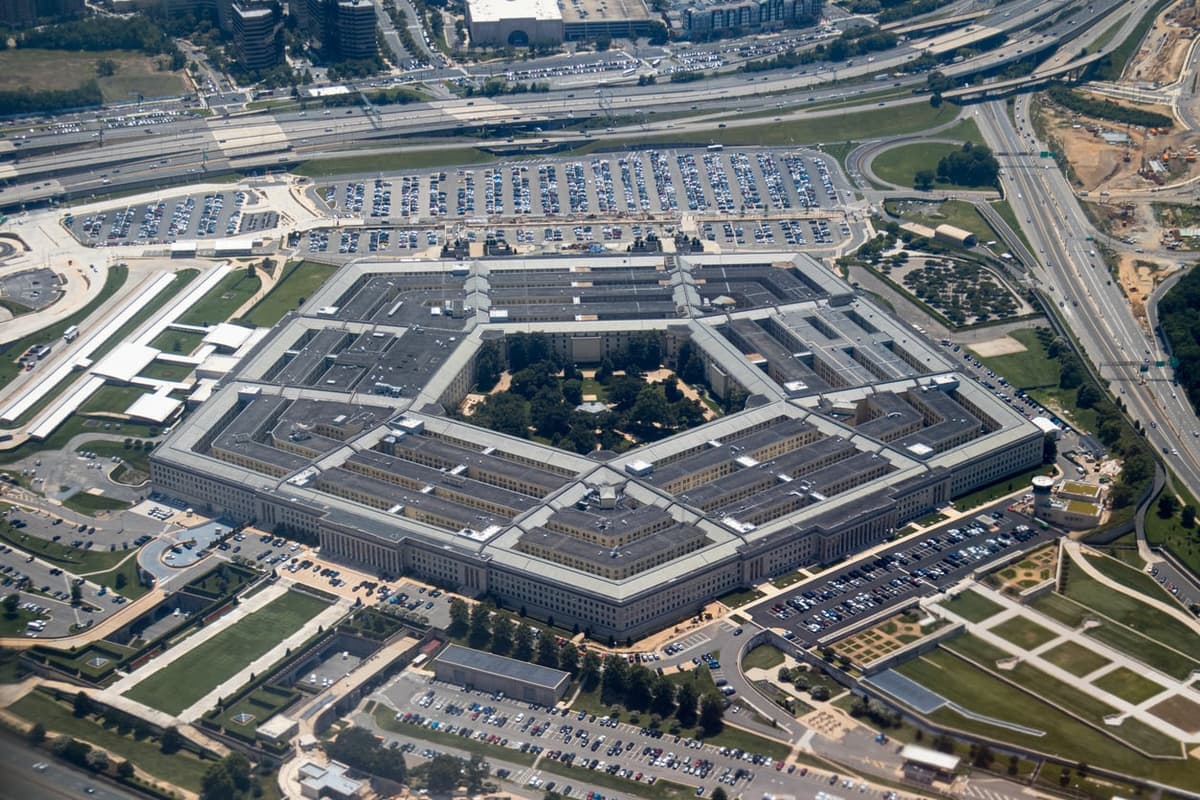
The Department of War Broke Up with KPMG, KPMG Gives Up Federal Audits Altogether
Why It Matters
The exit reshapes the Big Four’s federal footprint, potentially slowing oversight improvements while opening lucrative opportunities for rivals. It also underscores the Pentagon’s push for fiscal accountability amid chronic audit failures.
Key Takeaways
- •KPMG ends federal audit practice after losing $60 M Pentagon contract
- •Over 450 U.S. audit staff will be reassigned by 2030
- •Current clients include Justice, Labor, Transportation, Energy, and Treasury
- •Pentagon aims for clean audit opinion by 2028 amid reforms
- •EY and Deloitte likely to chase the vacated federal audit work
Pulse Analysis
KPMG’s withdrawal from federal audits marks a rare reversal for one of the Big Four accounting firms. After the Department of Defense cancelled a $60 million annual contract that had funded the audit of the U.S. Army for nearly ten years, KPMG announced an orderly, multiyear exit from all federal audit engagements. The firm will shift more than 450 U.S.-based auditors into advisory and consulting roles, citing growing demand for those services. By 2030, contracts with the Justice, Labor, Transportation, Energy and Treasury departments will be fully wound down, ending a significant source of public‑sector revenue.
The Pentagon’s decision to replace KPMG reflects mounting political pressure to bring order to its chaotic finances. Secretary Pete Hegseth’s public pledge to deliver a clean audit opinion by 2028 raises the stakes for any successor firm, which must navigate complex defense accounting systems and legacy deficiencies. Existing federal agencies that relied on KPMG’s audit expertise now face a temporary gap in oversight, prompting them to evaluate alternative providers. EY, which recently secured a historic clean audit for the Marine Corps, and Deloitte, still recovering from a high‑profile crypto loss, are likely to be front‑runners.
Industry analysts see KPMG’s exit as a catalyst for reshaping the federal audit market. The redeployment of 450 seasoned auditors creates a talent pool that competitors can tap, potentially accelerating consolidation among the remaining firms. Regulators will monitor the transition to ensure continuity of oversight and prevent audit quality erosion. Meanwhile, the broader push for fiscal transparency in Washington could spur new advisory mandates, expanding the role of accounting firms beyond traditional audit functions. Stakeholders should watch how the competitive landscape evolves as the Department of Defense targets its 2028 clean‑opinion goal.
The Department of War Broke Up with KPMG, KPMG Gives Up Federal Audits Altogether
Comments
Want to join the conversation?
Loading comments...