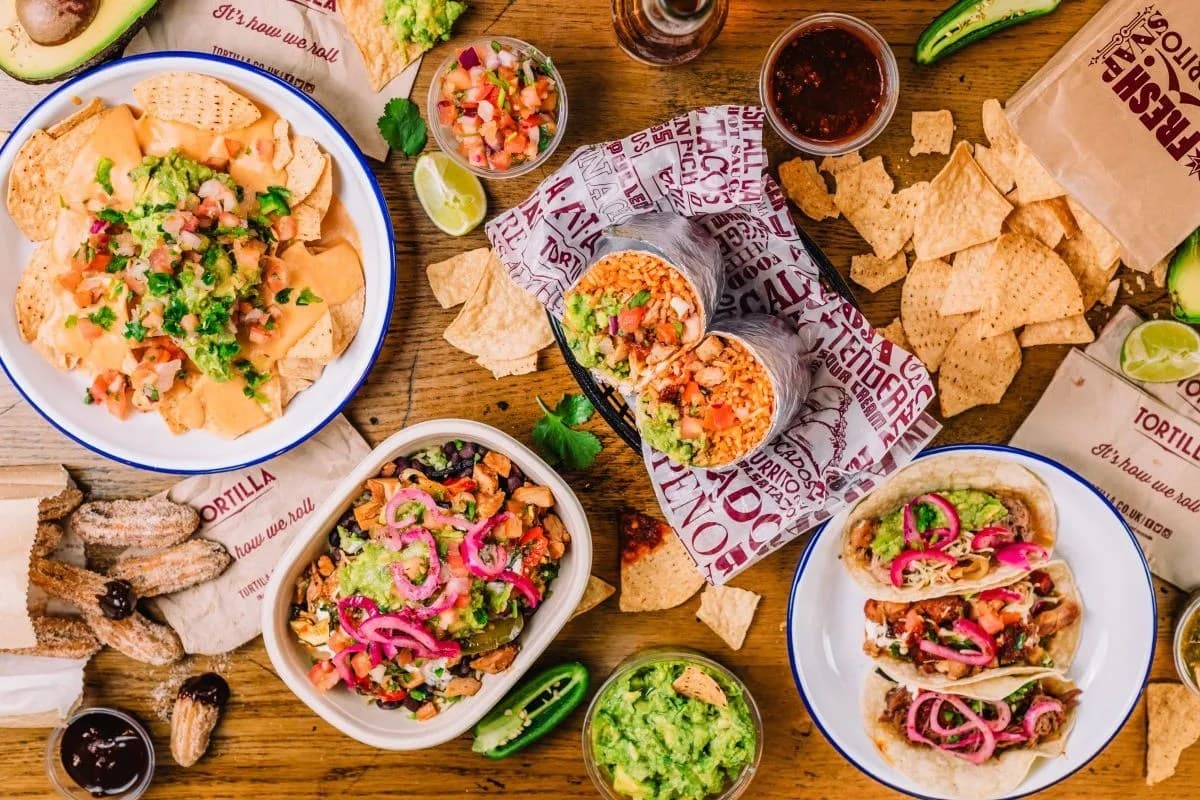
Tortilla Mexican Grill Admits Multi-Million Accounting Blunder
Why It Matters
The breach of loan covenants raises financing risk and could force a costly restructuring, while the accounting lapse undermines investor confidence in the chain’s governance. It signals heightened scrutiny for fast‑growing restaurant groups operating across borders.
Key Takeaways
- •£2.5 m (£3.2 m) expense omitted, profit overstated
- •Shares dropped 12% after disclosure, still up 25% YTD
- •Lenders negotiating waiver after covenant breach
- •Auditors continue review; new financial controls being implemented
- •Analysts downgraded recommendations to hold/under review
Pulse Analysis
Tortilla Mexican Grill’s recent accounting mishap underscores how a seemingly modest oversight—£2.5 million of unrecorded spending in its French arm—can cascade into a full‑blown covenant breach. By failing to expense the amount, the company inflated its 2025 profit outlook, a metric closely watched by lenders and investors alike. The error, now quantified at roughly $3.2 million, prompted an immediate market reaction, with the stock sliding 12% in early trade. This volatility illustrates the thin margin between growth ambitions and financial discipline in the hospitality sector, where rapid expansion often outpaces internal controls.
The breach has forced Tortilla into urgent talks with its creditors to secure a waiver, a process that could reshape its capital structure. Lenders typically impose strict debt‑to‑EBITDA ratios, and any deviation can trigger penalties or accelerated repayments. While the company’s pre‑tax loss of £2.3 million (about $2.9 million) for the first half of the previous year already strained its balance sheet, the added covenant pressure may compel it to accelerate venue closures in France and tighten cost‑cutting measures. Analyst downgrades from Panmure Liberum and Cavendish reflect heightened risk perception, potentially dampening future equity inflows.
Beyond Tortilla, the incident serves as a cautionary tale for multi‑national restaurant chains navigating diverse accounting standards and regulatory environments. Robust internal audit functions and real‑time expense tracking are becoming non‑negotiable as investors demand greater transparency. The episode also highlights the broader market’s sensitivity to governance lapses, especially in sectors where margins are thin and debt financing is prevalent. Companies that proactively strengthen financial controls can not only avoid costly covenant breaches but also bolster investor trust, positioning themselves for sustainable growth amid a competitive dining landscape.
Tortilla Mexican Grill admits multi-million accounting blunder
Comments
Want to join the conversation?
Loading comments...