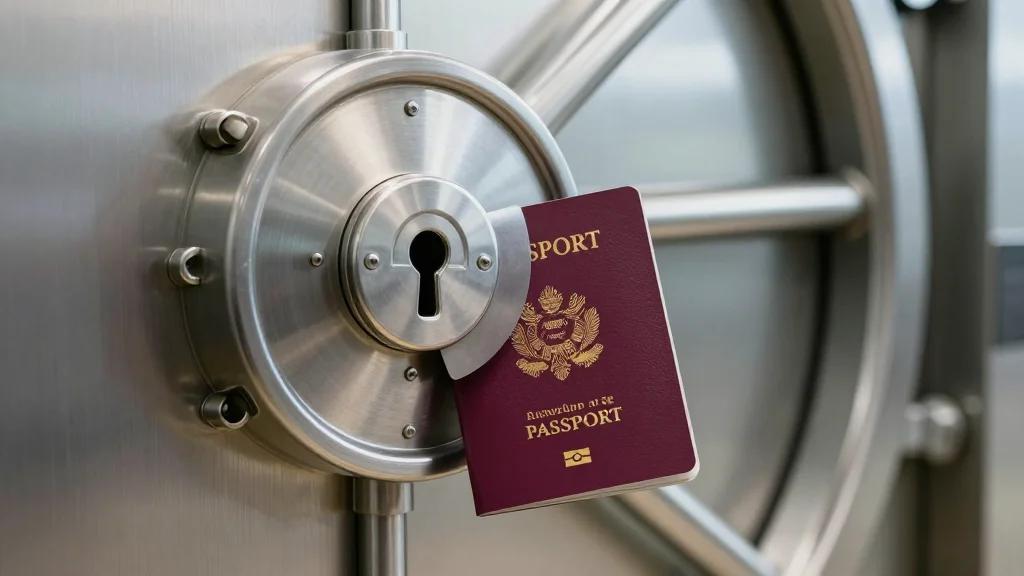
Treasury's Draft Order Could Cost U.S. Banks Up to $5.6 Billion for Citizenship Data Collection

Why It Matters
The proposed citizenship‑data rule could reshape the U.S. banking landscape by raising compliance costs across the board. For community banks, which operate on thin margins, the added $2.6‑$5.6 billion in expenses could force consolidation or limit their ability to serve low‑income neighborhoods, exacerbating financial exclusion. Larger banks may absorb costs more easily but could see pressure on profit margins, prompting fee hikes that affect millions of consumers. Beyond the immediate financial hit, the rule signals a shift toward more granular customer profiling, potentially enabling regulators to track cross‑border money flows more effectively. However, it also raises privacy concerns and could deter dual citizens or undocumented immigrants from maintaining formal banking relationships, undermining broader financial‑inclusion goals.
Key Takeaways
- •Treasury plans an executive order requiring banks to collect citizenship documentation for all customers.
- •American Action Forum estimates compliance could cost $2.6‑$5.6 billion and add 30‑70 million staff hours.
- •Community bank president Chasse Rehwinkel calls the rule "burdensome" and warns it may push vulnerable customers toward predatory lenders.
- •USC professor George Braunegg says ongoing system upgrades and audits will drive up operational costs and could lead to higher fees.
- •The rule could clash with the administration's deregulatory narrative, inviting legal challenges and industry pushback.
Pulse Analysis
The Treasury’s move reflects a broader trend of tightening AML and KYC standards in the post‑pandemic era, where regulators are increasingly focused on the provenance of funds and the identity of account holders. While the intent—to close gaps that could be exploited for illicit finance—is clear, the execution appears misaligned with the practical realities of banking operations. Historically, major compliance overhauls, such as the 2001 USA PATRIOT Act, imposed steep costs but also spurred innovation in identity‑verification technology. If banks invest now in scalable, automated citizenship checks, they could mitigate long‑term expenses and even create new data‑analytics capabilities.
However, the rule’s timing is problematic. The banking sector is still recovering from pandemic‑induced stress, and many community banks are grappling with legacy systems that lack the flexibility for rapid data integration. The projected $5 billion cost could accelerate a wave of mergers, consolidating market power among the largest banks and reducing competition. This concentration risk may prompt antitrust scrutiny, especially if smaller players exit the market.
Looking ahead, the policy’s success will hinge on how the Treasury balances security objectives with financial inclusion. A phased rollout, clear exemptions for low‑risk accounts, and industry‑wide standards for data handling could soften the blow. Conversely, a rigid, one‑size‑fits‑all mandate may trigger costly litigation and erode public trust in the banking system, ultimately undermining the very security goals it seeks to achieve.
Treasury's Draft Order Could Cost U.S. Banks Up to $5.6 Billion for Citizenship Data Collection
Comments
Want to join the conversation?
Loading comments...