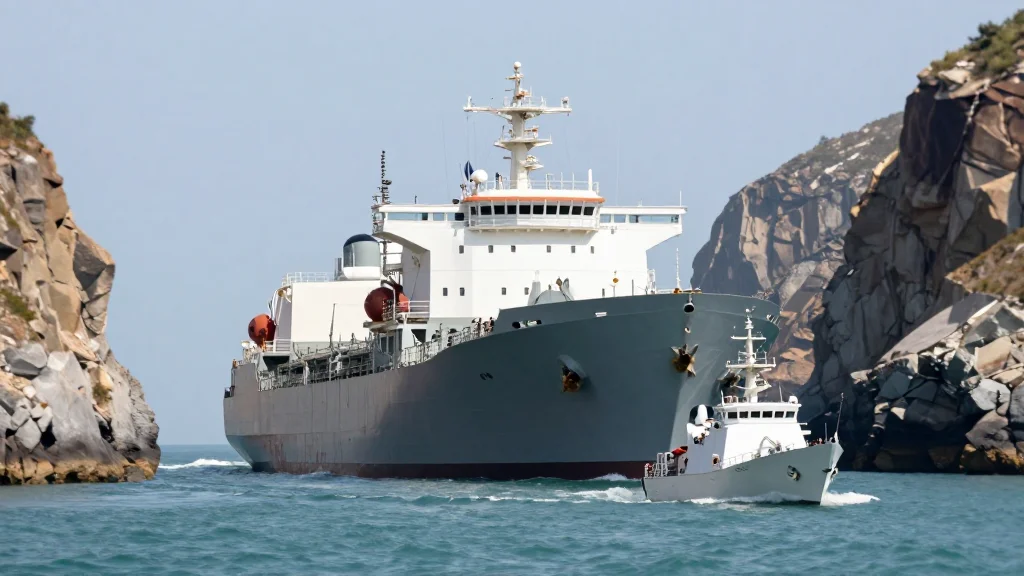
Trump’s Project Freedom to Escort Ships Through Strait of Hormuz Triggers Oil Market Volatility

Why It Matters
The Strait of Hormuz is a linchpin of the global energy supply chain; any disruption reverberates through oil, gas and fertilizer markets, influencing inflation, trade balances and sovereign wealth fund performance. Trump’s decision to deploy U.S. forces directly affects shipping insurance costs, freight rates, and the risk premium baked into commodity futures. Simultaneously, the European Political Community’s focus on nuclear power signals a potential shift in long‑term capital allocation toward large‑scale, low‑carbon infrastructure, which could reshape investment portfolios across Europe and beyond. For investors, the dual narrative of immediate geopolitical risk and longer‑term energy diversification creates a volatile environment. Short‑term traders will react to price spikes and security alerts, while institutional investors may reassess exposure to energy‑intensive sectors and consider new opportunities in nuclear and renewable financing. Understanding how these developments intersect is essential for risk management and strategic positioning in 2026’s financial markets.
Key Takeaways
- •Trump announced "Project Freedom" to escort ships out of the Strait of Hormuz starting Monday, 6 May 2026
- •U.S. Central Command will deploy over 100 aircraft, destroyers and 15,000 personnel for the mission
- •Iran’s foreign ministry presented a 14‑point plan aimed at ending the war
- •Irish Taoiseach Micheál Martin urged serious consideration of nuclear power at the European summit
- •Analysts expect immediate oil‑price volatility and potential shifts in energy‑infrastructure financing
Pulse Analysis
The decision to launch Project Freedom reflects a classic use of military capability to secure commercial interests, a playbook seen in previous Gulf conflicts. By framing the operation as humanitarian, Trump seeks to mitigate political backlash while still asserting U.S. dominance over a chokepoint that accounts for a substantial portion of daily oil shipments. The move is likely to tighten short‑term freight insurance spreads and could prompt a temporary rally in oil futures as traders price in the risk of a sudden escalation.
At the same time, the European Political Community summit signals a strategic pivot toward energy independence. Martin’s call for nuclear power, backed by recent legislative drafts, aligns with a broader trend of Western governments hedging against supply shocks by diversifying away from fossil fuels. If European capitals move to lift nuclear bans, we could see a surge in sovereign and private financing for next‑generation reactors, potentially unlocking billions in green‑bond issuance.
Investors should therefore adopt a two‑pronged approach: monitor real‑time developments in the Strait for tactical exposure to commodity volatility, and evaluate longer‑term capital allocation toward nuclear and renewable projects that may benefit from policy momentum in Europe. The convergence of geopolitical risk and policy-driven investment opportunities makes the next quarter a litmus test for risk‑adjusted returns in the energy sector.
Trump’s Project Freedom to Escort Ships Through Strait of Hormuz Triggers Oil Market Volatility
Comments
Want to join the conversation?
Loading comments...