Why It Matters
Understanding the budget’s funneled evolution helps businesses and investors anticipate fiscal policy changes that affect markets, regulation, and spending priorities. It also highlights the critical role of forecasting in public‑sector decision‑making.
Key Takeaways
- •Budget planning starts a year before the fiscal year begins
- •Early stage offers broad options, later stages narrow to concrete allocations
- •Cabinet meetings progressively trim proposals, shaping final spending plan
- •Forecast models drive decisions throughout the budgeting funnel
- •Understanding the cycle helps businesses anticipate policy shifts
Pulse Analysis
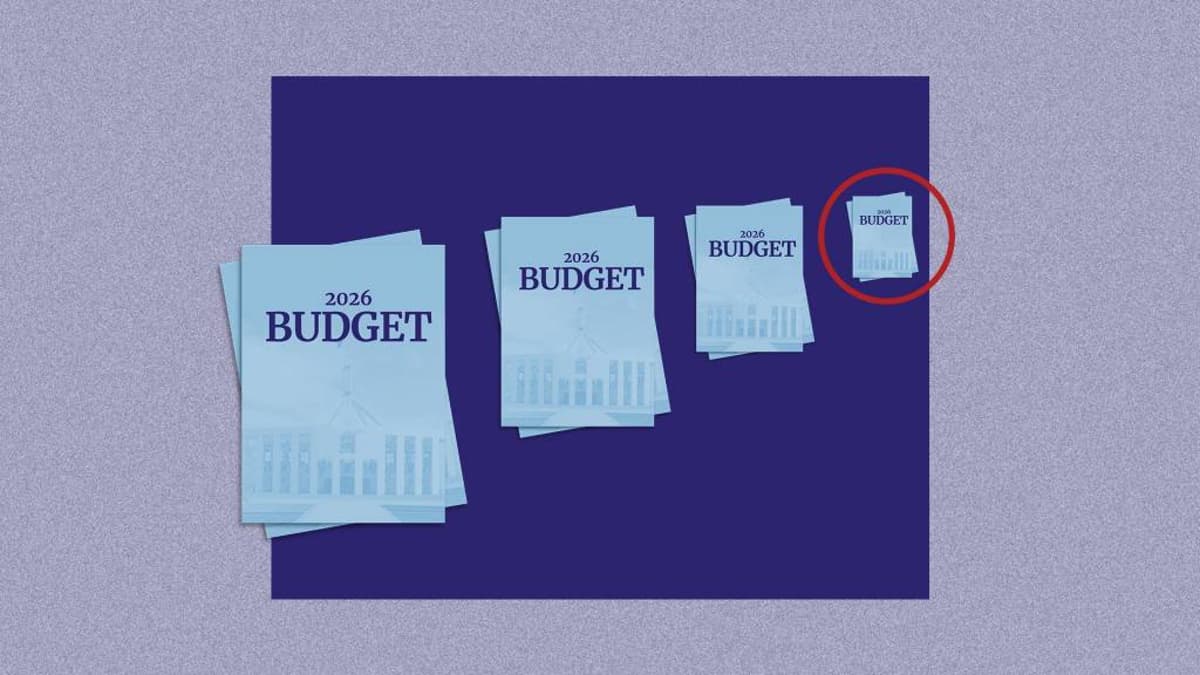
Government budgeting is a multi‑year choreography that begins long before the fiscal calendar flips. In the first phase, agencies submit expansive proposals, and legislators explore a wide spectrum of programs ranging from infrastructure to social services. This "wide aperture" stage resembles a weather system gathering moisture, allowing policymakers to test political feasibility and public demand. By the second half of the year, the process tightens; committees and the cabinet act as a chisel, carving away less‑viable ideas and converging on a focused set of expenditures.
At the heart of this narrowing funnel lies sophisticated forecasting. Economic models project revenue streams, inflation trends, and labor market dynamics, providing a quantitative backbone for every cut and addition. These forecasts are constantly updated to reflect real‑time data, from quarterly GDP reports to unexpected shocks like supply‑chain disruptions. The reliance on data‑driven insights ensures that the final budget aligns with fiscal reality, mitigating the risk of deficits while attempting to meet political objectives. However, the inherent uncertainty in long‑range projections can create tension between optimistic policy ambitions and conservative fiscal stewardship.
For the private sector, the budget’s rhythm offers a predictive signal. Companies monitor early‑stage proposals to gauge potential tax reforms, infrastructure spending, or regulatory shifts that could impact profitability. As the budget narrows, investors adjust portfolios to reflect the likelihood of enacted measures, influencing sectors from construction to technology. By decoding the budget’s funneled progression, businesses can better align strategic planning with anticipated policy outcomes, turning a traditionally opaque process into a strategic planning tool.
What it’s like inside the budget bubble
Comments
Want to join the conversation?
Loading comments...