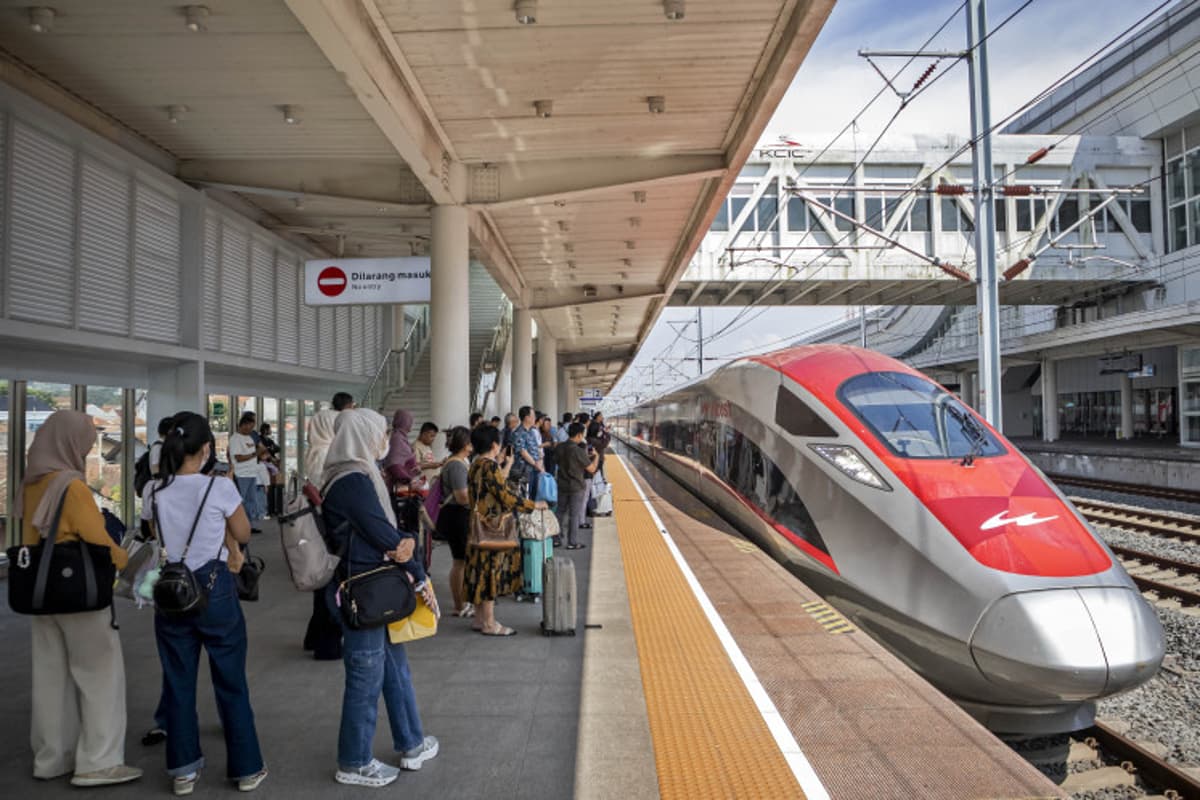
Whoosh Structural Overhaul to Satisfy China, Purbaya Says
Why It Matters
The restructuring secures Chinese backing, preserving a critical infrastructure corridor and stabilizing Indonesia’s sovereign debt outlook. It also signals Jakarta’s commitment to balanced partnerships in its Belt‑and‑Road‑linked projects.
Key Takeaways
- •Whoosh HSR debt restructuring approved to meet Chinese stakeholder expectations
- •Risk‑sharing model will align losses with each party’s ownership share
- •Infrastructure Minister Agus Harimurti Yudhoyono to announce details soon
- •PT Pilar Sinergi BUMN leads Indonesian consortium of state‑owned firms
- •Project aims to boost Jakarta‑Bandung connectivity and regional economic growth
Pulse Analysis
The Jakarta‑Bandung high‑speed rail, known as Whoosh, has been a flagship of Indonesia’s push to modernize transport and deepen economic ties with China. Initiated in 2015 as a joint venture between PT Kereta Cepat Indonesia China (KCIC) and a Chinese consortium, the $6 billion project has faced mounting debt pressures as construction costs and financing terms strained Jakarta’s fiscal space. Chinese banks and state investors have been key lenders, while Indonesian state‑owned enterprises such as PT Kereta Api Indonesia, PT Wijaya Karya, PT Jasa Marga, and PT Perkebunan Nusantara VIII hold equity and land assets.
In a decisive policy shift, Finance Minister Purbaya disclosed that the government has crafted a debt‑restructuring framework that distributes risk proportionally between Indonesian and Chinese partners. By aligning potential losses with each stakeholder’s share, the plan aims to alleviate Chinese concerns over exposure while preserving the project's financial viability. The upcoming announcement by Coordinating Infrastructure Minister Agus Harimurti Yudhoyono is expected to detail the new capital structure, repayment schedule, and governance tweaks that will enable the consortium to move forward without further funding gaps.
The overhaul carries broader implications for Indonesia’s infrastructure strategy and its relationship with Beijing. Securing Chinese satisfaction helps maintain momentum on a corridor that promises to cut travel time between Jakarta and Bandung to under an hour, spurring tourism, trade, and labor mobility. Moreover, the risk‑sharing model could become a template for future Belt‑and‑Road‑linked ventures, balancing sovereign debt concerns with the need for large‑scale capital. Investors will watch closely, as a stable Whoosh project may boost confidence in Indonesia’s ability to manage complex, cross‑border megaprojects while safeguarding fiscal health.
Whoosh structural overhaul to satisfy China, Purbaya says
Comments
Want to join the conversation?
Loading comments...