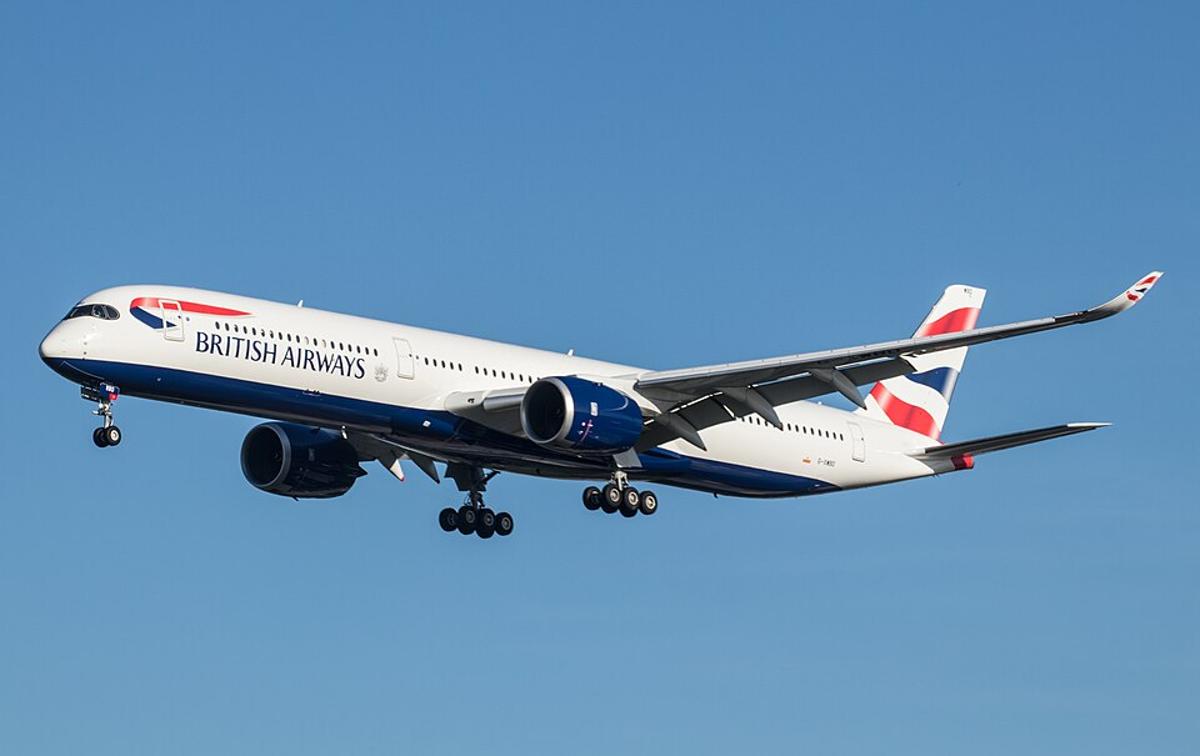
Why Are IAG Shares Falling? British Airways Owner Hit by €9bn Fuel Bill
Companies Mentioned
Why It Matters
The surge in fuel costs threatens IAG’s profit margins, cash generation and ability to fund growth or return cash to shareholders, a key concern for investors and the broader airline sector.
Key Takeaways
- •IAG forecasts €9bn ($9.8bn) fuel bill for 2026
- •Shares dropped 4.1% after profit outlook trimmed by fuel costs
- •70% of fuel hedged, leaving €2.7bn ($2.9bn) exposure
- •Free cash flow guidance cut below $3.3bn due to higher fuel spend
- •Capacity growth slowed to 1-2% as fares may rise
Pulse Analysis
The Iran conflict has reignited volatility in global oil markets, pushing jet fuel prices to multi‑year highs. Airlines, which spend roughly 30% of revenue on fuel, feel the impact immediately. While many carriers lock in prices through hedging, IAG’s 70% hedge still leaves a sizable unprotected portion, meaning the projected €9 billion ($9.8 billion) bill will hit earnings directly. This scenario underscores how geopolitical shocks can translate into balance‑sheet pressure for carriers that operate long‑haul routes and rely on premium pricing power.
IAG’s Q1 results showed a resilient top line, with revenue up to €7.18 billion ($7.8 billion) and operating profit surging 77% to €351 million ($383 million). Yet the company trimmed its full‑year profit outlook, citing the fuel curve—a forward‑looking market price estimate—as the primary drag. Net debt fell to €4.18 billion ($4.55 billion), improving its leverage, but free‑cash‑flow guidance slipped below $3.3 billion, reflecting the higher cost base. To protect margins, IAG is scaling back capacity growth to 1‑2% and exploring fare adjustments, a delicate balance between preserving demand and maintaining cash flow.
The broader airline industry faces a similar dilemma: higher fuel costs can be passed to passengers only if demand remains robust, especially in premium and long‑haul segments where British Airways holds pricing power. However, consumers are already coping with inflation, higher gasoline prices, and tighter household budgets. Investors are therefore watching how effectively IAG can manage hedging, route reallocation, and pricing without eroding demand. The outcome will shape not only IAG’s earnings trajectory but also set a benchmark for how legacy carriers navigate energy‑price shocks in a geopolitically uncertain environment.
Why Are IAG Shares Falling? British Airways Owner Hit by €9bn Fuel Bill
Comments
Want to join the conversation?
Loading comments...