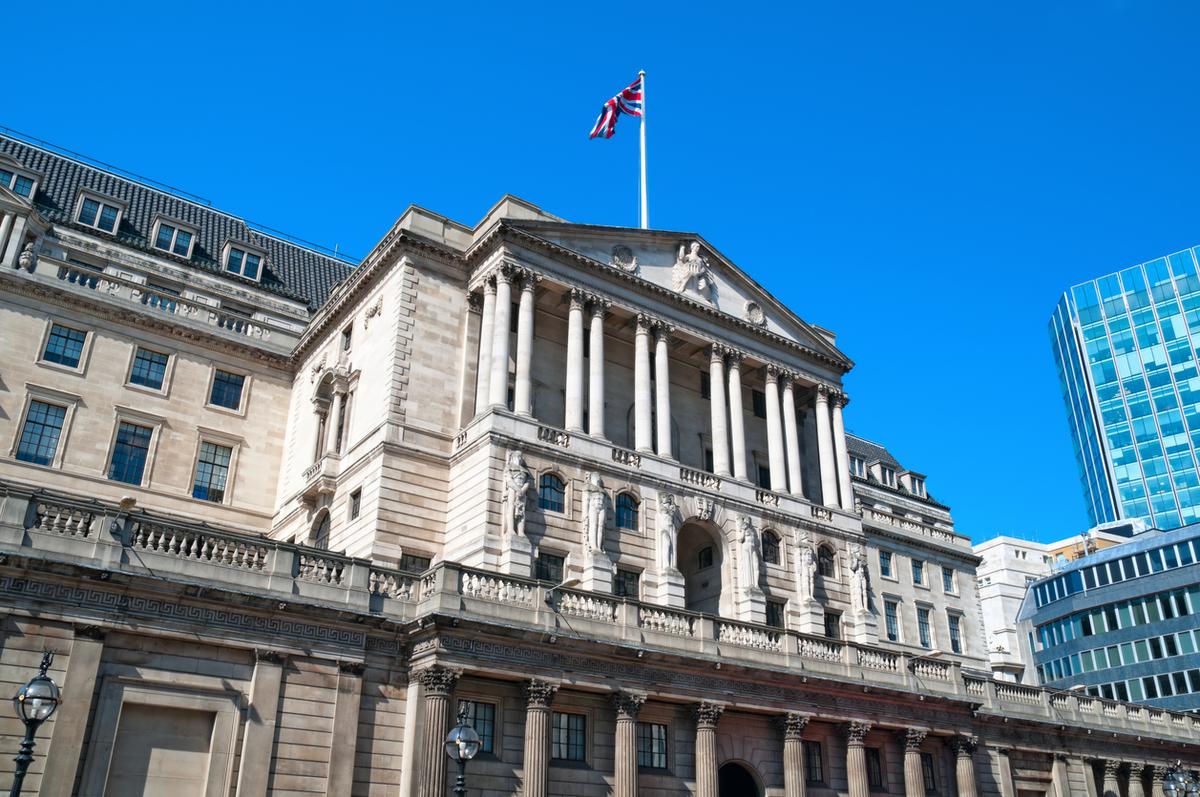
Why the Bank of England Thinks Looser Trading Rules Could Backfire
Companies Mentioned
Why It Matters
If capital buffers are cut, the UK could gain liquidity in calm markets but expose the financial system to amplified shocks during crises, affecting banks, investors and the nation’s standing as a global trading hub.
Key Takeaways
- •BoE warns lower capital buffers could erode market resilience
- •FCA aims to boost liquidity by cutting trading firm capital requirements
- •Reduced buffers risk liquidity vanishing during market stress events
- •Competition with hubs may drive firms to relocate if rules stay strict
Pulse Analysis
The regulatory clash between the Bank of England and the Financial Conduct Authority underscores a fundamental shift in how modern markets operate. While the FCA’s proposal to ease capital rules for high‑frequency traders promises tighter spreads and faster execution, the BoE cautions that these firms lack the shock‑absorbing capacity of traditional banks. By holding less capital, firms can deploy more funds into daily trading, but the safety net that protects the system during extreme volatility would be thinned, raising systemic risk.
Liquidity is valuable only when it persists under pressure. Trading firms such as Citadel Securities and Jane Street now underpin a large share of UK market activity, acting as de‑facto market makers. In normal conditions, reduced capital requirements may enhance efficiency, yet a sudden market shock could trigger a rapid withdrawal of liquidity, magnifying price swings and potentially spilling over to banks that rely on these firms for financing and risk transfer. The BoE’s stance reflects a broader concern that the financial architecture has become overly dependent on entities that are not subject to the same prudential safeguards as banks.
Beyond the technical debate, the issue ties into the UK’s post‑Brexit strategy to attract global trading volume. Stricter capital rules could push firms toward jurisdictions with lighter regulation, eroding London’s competitive edge. Conversely, maintaining robust buffers may preserve systemic stability but risk losing market share to rivals such as New York or Singapore. Policymakers must balance the lure of immediate liquidity gains against the hidden cost of heightened fragility, ensuring that any regulatory adjustment aligns with long‑term financial stability and the UK’s ambition to remain a premier financial centre.
Why the Bank of England Thinks Looser Trading Rules Could Backfire
Comments
Want to join the conversation?
Loading comments...