📘 Audit Evidence Procedures Simulation — CPA Exam (AUD) | Auditing Course
•February 12, 2026
0
Why It Matters
Grasping the link between audit procedures and evidence equips CPA candidates to pass the exam efficiently and prepares future auditors to gather reliable evidence, enhancing overall audit quality.
Key Takeaways
- •Identify audit procedures using specific verbs like examine, inquire.
- •Match each procedure to its predominant evidence type.
- •Inquiry of management yields testimonial evidence, not strongest.
- •CPA exam simulation tests logical mapping of procedures to evidence.
- •Understanding audit logic reduces memorization, improves exam performance.
Summary
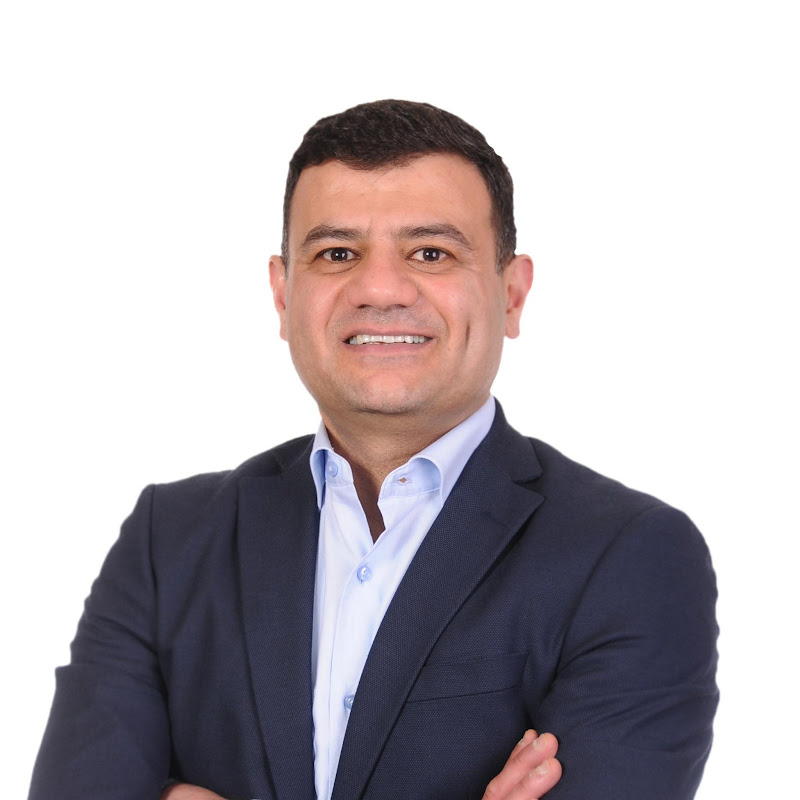
The video walks viewers through a CPA‑exam style simulation focused on audit‑evidence procedures. Professor Farhhat presents a fictional audit of Johnson Wholesale, asking candidates to assign the correct audit verb—examine, scan, read, compute, etc.—and then match each to the predominant type of evidence, such as inspection, observation, inquiry, or confirmation.
Key insights include the step‑by‑step logic of pairing a procedural action with its evidence category. For example, when asked whether accounting staff must take annual vacation, the appropriate verb is “inquire,” and the resulting evidence is testimonial, derived from client personnel. The exercise reinforces that each audit procedure is used only once, while evidence types may repeat, mirroring the actual CPA exam’s drag‑and‑drop format.
Farhhat emphasizes the pedagogical gap many candidates face, noting, “You stop memorizing and start understanding.” He promotes his platform, FarhatLectures.com, as a resource that breaks down standards, assertions, risks, and procedures into a coherent narrative, helping students see the “why” behind each audit step.
Mastering this mapping is crucial for exam success and real‑world auditing. By internalizing the logical connections between procedures and evidence, candidates reduce reliance on rote memorization, improve analytical thinking, and ultimately produce higher‑quality audit work that meets professional standards.
Original Description
This simulation lecture walks through audit evidence procedures, including inspection, observation, confirmation, recalculation, and analytical procedures. You’ll learn how auditors gather sufficient appropriate evidence and apply procedures in exam-style scenarios — a heavily tested area on the CPA Exam (AUD) and in Auditing Courses.
🔗 Start your free trial: https://lnkd.in/g4hZAp2
Farhat Lectures 🎓🎥 Video Lectures | 📝 MCQs + AICPA | 🎯 Video MCQ Explanations
🤖 AI Quiz Assistant | 🎙 Podcast Lessons | ✅ True/False & Exercises
📚 Complete A–Z supplement to CPA Review & Accounting Courses
Farhat is:
✅ Mapped to your CPA course (Becker, UWorld, Gleim, Miles, Surgent & more)
✅ In-depth explanations of audit evidence and procedures
✅ Tons of MCQs (including AICPA)
✅ Ongoing support & guidance from Farhat and his team
❌ Not a replacement for your CPA course — a powerful supplement
#CPAAUD #AuditingCourse #AuditEvidence #AuditSimulation #AuditProcedures
0
Comments
Want to join the conversation?
Loading comments...