📘 Tax Return Due Dates and Extensions — Enrolled Agent (EA) | CPA Exam (REG)
•February 18, 2026
0
Why It Matters
Understanding these rules prevents costly penalties and ensures compliance, especially for professionals preparing returns under tight deadlines or disaster‑affected circumstances.
Key Takeaways
- •April 15 is the standard tax filing deadline
- •Weekend or holiday shifts deadline to next business day
- •Postmark or electronic timestamp proves timely filing for returns
- •Form 4868 grants six‑month filing extension, not payment extension
- •Federal disaster declarations extend both filing and payment deadlines
Summary
The video explains the April 15 filing deadline, how it moves when it falls on a weekend or legal holiday, and the options taxpayers have when they need more time.
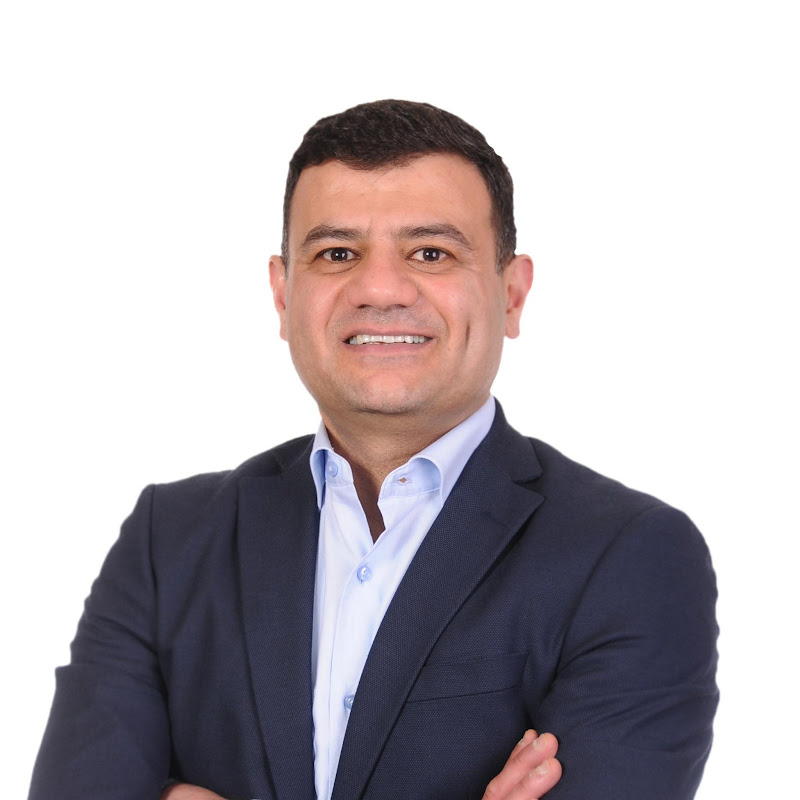
Professor Farhat outlines the mailbox rule—postmarks dated by April 15 count as timely—even if the IRS receives the return later, and describes electronic filing timestamps. He advises using certified mail or counter‑stamped postmarks after the 2025 USPS rule change, and details how to handle e‑file rejections by switching to paper filing.
Illustrative cases include Marcus, whose return was rejected due to a duplicate SSN, requiring a paper filing with certified mail, and Elena, an out‑of‑state partner affected by a federal disaster, showing how disaster relief can suspend both filing and payment deadlines.
The guidance is crucial for taxpayers, enrolled agents, and CPA candidates to avoid late‑filing penalties, understand that extensions (Form 4868) do not extend payment obligations, and recognize special disaster provisions that can waive interest and penalties.
Original Description
This lecture explains tax return due dates and extension rules, including filing deadlines, automatic extensions, and late-filing consequences. These compliance rules are essential for tax practitioners and are commonly tested on the Enrolled Agent (EA) exam and CPA Exam (REG).
🔗 Start your free trial: https://lnkd.in/g4hZAp2
Farhat Lectures 🎓🎥 Video Lectures | 📝 MCQs + AICPA | 🎯 Video MCQ Explanations
🤖 AI Quiz Assistant | 🎙 Podcast Lessons | ✅ True/False & Exercises
📚 Complete A–Z supplement to CPA Review & Accounting Courses
Farhat is:
✅ Mapped to your CPA course (Becker, UWorld, Gleim, Miles, Surgent & more)
✅ In-depth explanations of key concepts
✅ Tons of MCQs (including AICPA)
✅ Ongoing support & guidance from Farhat and his team
❌ Not a replacement for your course — a powerful supplement
#EnrolledAgent #EAExam #CPAExam #REG #TaxDeadlines
0
Comments
Want to join the conversation?
Loading comments...