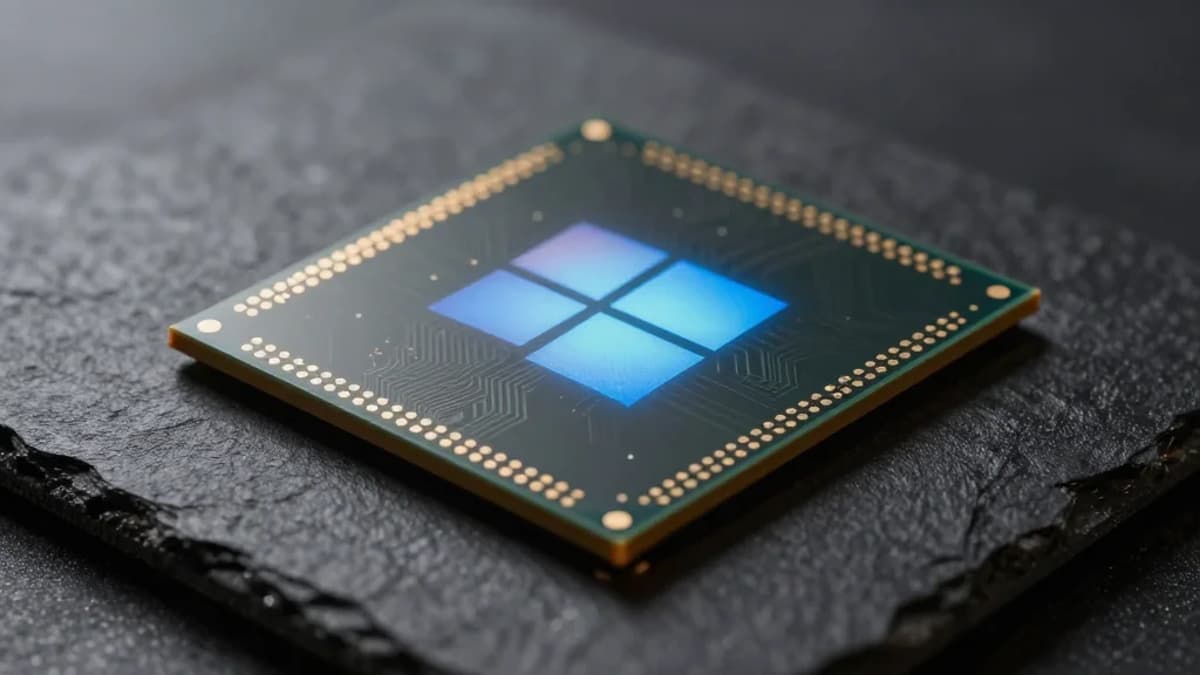
EA Working on Javelin Anticheat Port for Windows-on-Arm
•March 4, 2026
0
Key Takeaways
- •EA seeks engineer to port Javelin anticheat to WoA.
- •NVIDIA's N1/N1X Arm SoCs debut early 2026.
- •WoA adoption accelerates across gaming laptops and desktops.
- •Kernel‑level anticheat compatibility remains major technical hurdle.
- •Cross‑platform anticheat could unify Windows, Linux, Arm ecosystems.
Summary
Electronic Arts announced it is hiring a senior engineer to port its Javelin kernel‑level anticheat to the Windows‑on‑Arm (WoA) platform. The move confirms that major publishers are preparing their security stacks for ARM‑based Windows 11 PCs. It coincides with NVIDIA's upcoming N1/N1X Arm SoCs, which promise high‑core counts and a Blackwell GPU, intensifying competition with Qualcomm's Snapdragon X2 series. EA’s effort aims to eliminate the compatibility gap that has hampered previous cross‑platform game releases.
Pulse Analysis
Electronic Arts' decision to port its Javelin anticheat to Windows‑on‑Arm (WoA) signals a decisive move toward ARM‑based gaming PCs. Javelin, a kernel‑level solution, has traditionally relied on x86 Windows internals, so adapting it for the ARM architecture requires deep system‑level engineering. The job posting for a senior engineer underscores that EA is already allocating resources to bridge this gap, aiming to deliver a seamless cheat‑prevention experience on devices that run Windows 11 on ARM processors. This effort mirrors earlier challenges seen when Valve attempted Linux ports, where anticheat incompatibility stalled adoption.
The timing aligns with NVIDIA's upcoming N1 and N1X system‑on‑chips, which combine up to 20 Cortex‑X925/A725 cores and a Blackwell GPU featuring 6,144 CUDA cores. These chips target high‑performance, low‑power laptops and desktops, directly competing with Qualcomm's Snapdragon X2 Elite and X2 Plus offerings. As OEMs begin shipping ARM‑based Windows machines in larger volumes, developers face pressure to ensure their software stacks—including critical services like anticheat—run natively.
EA’s proactive stance may encourage other publishers to follow suit, accelerating the WoA ecosystem. From a security perspective, a universal, kernel‑level anticheat that functions across x86 and ARM Windows, and potentially Linux via Proton, would simplify cheat‑prevention pipelines and reduce fragmentation. Gamers would benefit from consistent protection regardless of hardware, while studios could lower development overhead by maintaining a single codebase. If EA succeeds, it could set a de‑facto standard, prompting middleware vendors to prioritize cross‑architecture compatibility, and ultimately expanding the market for ARM‑powered gaming devices.
Comments
Want to join the conversation?