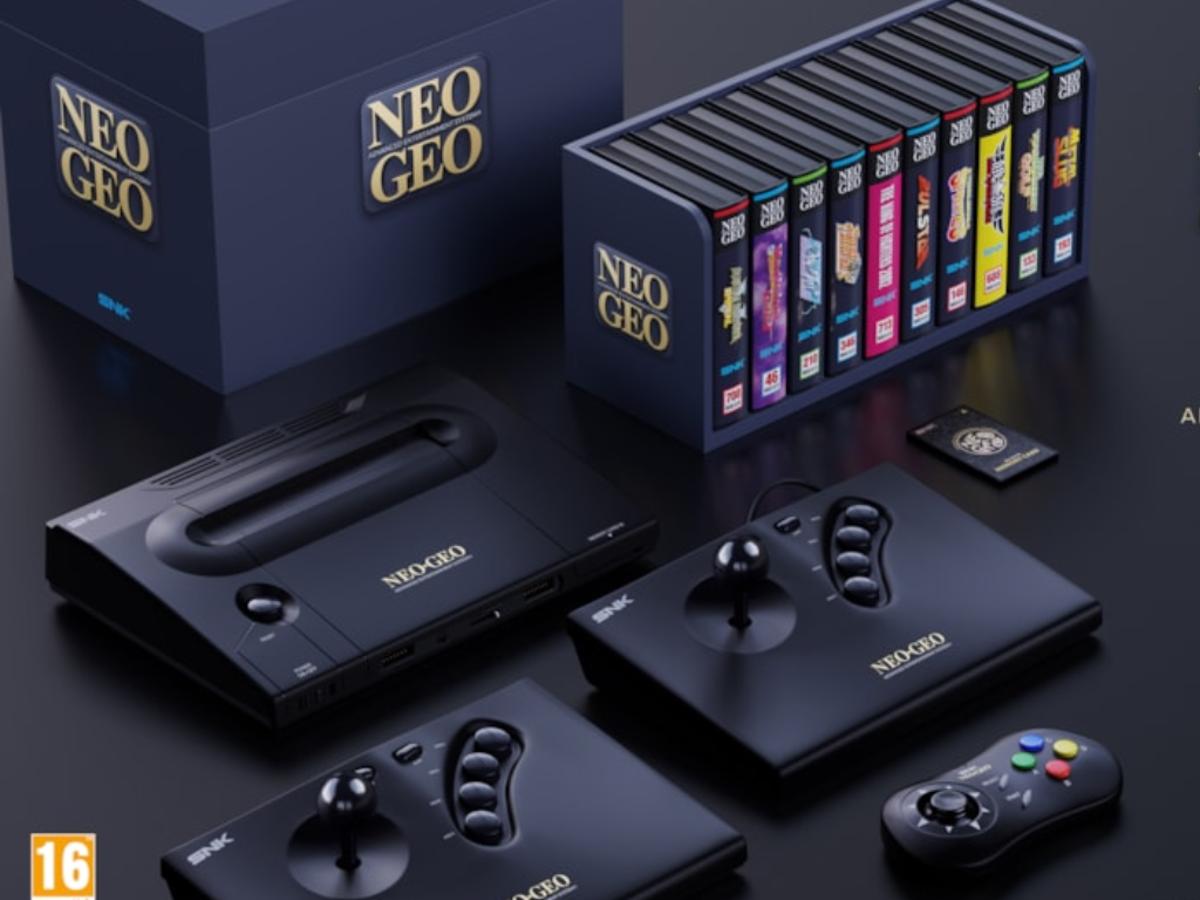
FPGA Developer Claims Plaion's NeoGeo AES+ Is Effectively a “Bait and Switch”
Key Takeaways
- •Plaion claims Neo Geo AES+ uses custom ASICs, not FPGA
- •FPGA developer alleges design mirrors MiSTer core split into ASICs
- •ASIC approach may prevent post‑launch firmware updates
- •Retro specialists Jotego and Furrtek consulted on ASIC development
- •Console supports HDMI, CRT outputs, and original cartridges
Pulse Analysis
The Neo Geo AES+ represents Plaion’s ambitious attempt to revive a classic arcade console with modern manufacturing techniques. By opting for application‑specific integrated circuits (ASICs) instead of field‑programmable gate arrays (FPGAs), the company promises a hardware‑level fidelity that mirrors the original 1990s architecture while adding contemporary HDMI connectivity. This strategy leverages the expertise of renowned retro developers Jotego and Furrtek, whose prior work on MiSTer and cartridge conversion tools lends credibility to the project’s technical claims.
However, the decision to lock the design into ASICs has sparked criticism from the FPGA community. Pramod Somashekar argues that the AES+ essentially replicates a MiSTer core, but hard‑wires it across several ASICs, eliminating the dynamic reconfigurability that makes FPGAs attractive for retro enthusiasts. Without the ability to upload new cores or patches, any hardware flaw or compatibility issue could become permanent, potentially eroding consumer confidence in a niche market that values ongoing support and community‑driven improvements.
The controversy highlights a broader industry debate: whether fixed‑function ASICs can deliver the same long‑term value as flexible FPGA platforms in the retro‑gaming space. While ASICs may offer lower unit costs and a more polished out‑of‑the‑box experience, they sacrifice the adaptability that has become a hallmark of modern retro consoles. As the launch approaches, buyers will weigh Plaion’s promise of authentic hardware replication against the risk of a static, unupdatable system, a decision that could shape future approaches to classic console revivals.
FPGA developer claims Plaion's NeoGeo AES+ is effectively a “bait and switch”
Comments
Want to join the conversation?