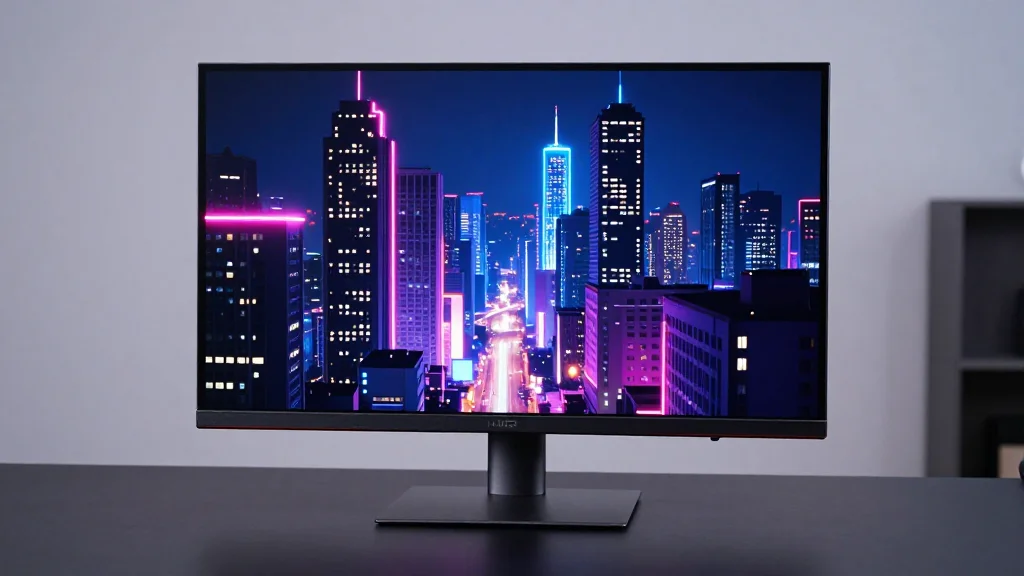
Godot 4.7 Will Finally Have HDR Output, Including On Linux With Wayland

Key Takeaways
- •Godot 4.7 introduces native HDR output across major desktop OSes.
- •Linux HDR works via Wayland, aligning with modern display pipelines.
- •HDR support for Android slated for a future update.
- •Feature boosts Godot’s appeal for high‑end indie and studio developers.
Pulse Analysis
The addition of HDR output in Godot 4.7 marks a pivotal upgrade for an engine that has long been praised for its accessibility and zero‑cost licensing. HDR expands the color gamut and luminance range, allowing developers to deliver richer, more immersive visuals that rival proprietary engines. By supporting the full HDR pipeline, Godot now caters to creators targeting high‑end PCs and consoles, where consumers increasingly expect cinema‑grade graphics.
On the technical side, Godot leverages Wayland’s native HDR capabilities on Linux, a platform historically hampered by fragmented display stacks. Wayland’s standardized compositor model simplifies color‑space handling, enabling consistent HDR rendering across diverse hardware. The engine’s cross‑platform architecture ensures the same HDR workflow on Windows, macOS, iOS, and visionOS, while the Android implementation remains on the roadmap, reflecting the team’s incremental rollout strategy. This phased approach minimizes risk and gives developers time to adapt asset pipelines.
From a market perspective, HDR support strengthens Godot’s position among indie studios and mid‑size developers seeking a free, open‑source alternative without sacrificing visual quality. As more titles adopt HDR, platform holders and hardware vendors will likely prioritize compatibility, creating a virtuous cycle that benefits the broader ecosystem. The move also signals Godot’s commitment to staying current with emerging display standards, reassuring investors and contributors of its long‑term viability.
Godot 4.7 Will Finally Have HDR Output, Including On Linux With Wayland
Comments
Want to join the conversation?