Key Takeaways
- •Nintendo ties each console launch to a flagship franchise.
- •Creative constraints sparked iconic designs like Metroid’s alien aesthetic.
- •Nintendo’s hardware innovations become industry standards over time.
- •Franchise stability enables experimental titles such as Breath of the Wild.
- •The book’s franchise‑centric narrative offers a unique business case study.
Pulse Analysis
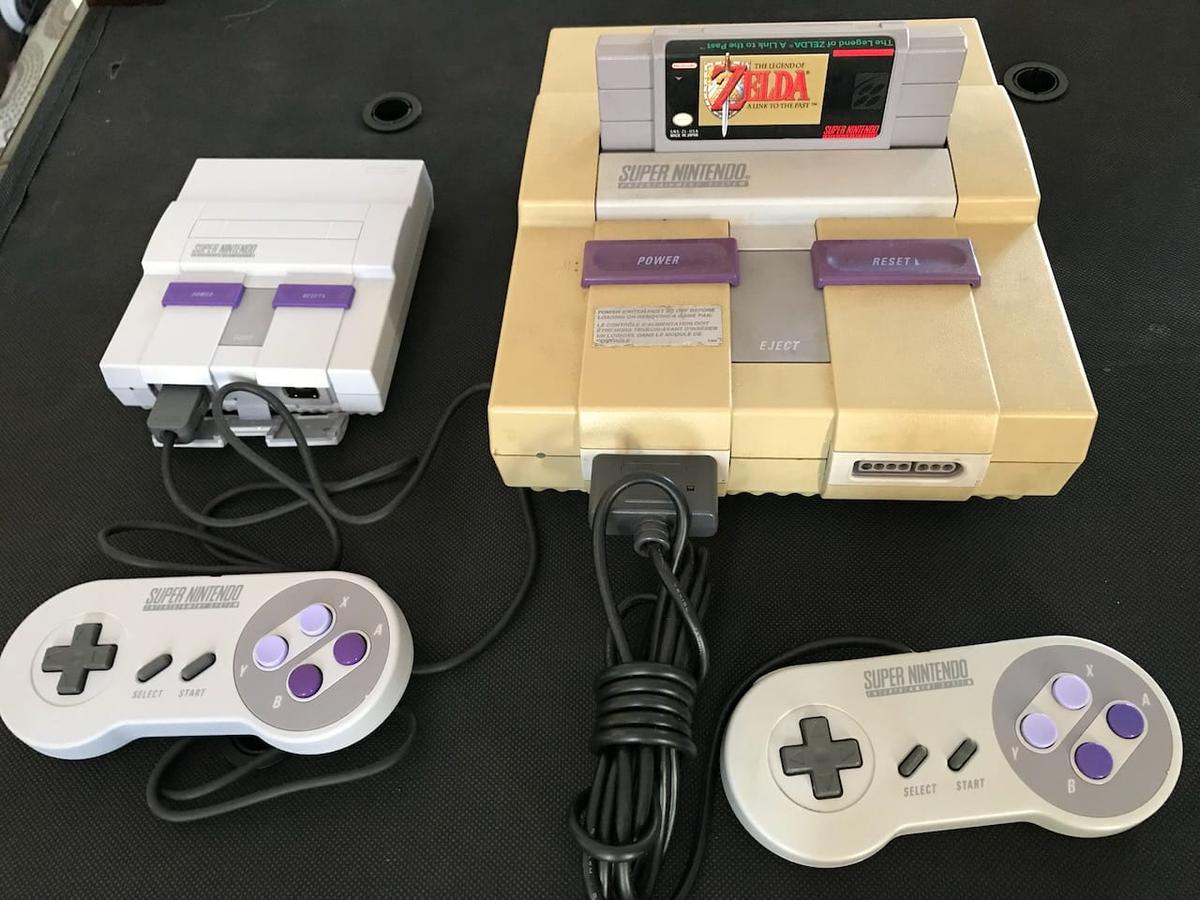
Nintendo’s business model hinges on a symbiotic relationship between hardware and software, where flagship franchises act as launch pads for new consoles. By anchoring each system— from the Super Nintendo to the Switch—with marquee titles like *Super Mario* or *The Legend of Zelda*, the company guarantees a built‑in audience that mitigates the risk of pure hardware speculation. This franchise‑driven approach contrasts sharply with competitors that rely on raw processing power, illustrating how intellectual property can be a more reliable revenue engine than spec sheets alone.
The book also underscores how constraints can become catalysts for creativity. Developers such as Hiroji Kiyotake on *Metroid* or Masahiro Sakurai on *Kirby* turned limited budgets and hardware capabilities into distinctive artistic directions, borrowing from sci‑fi cinema and minimalist design. Recent experiments like *Splatoon* and Nintendo Labo show that even in an era of abundant resources, purposeful limits—whether aesthetic, musical, or material—still spark innovation. For business leaders, these stories reinforce the principle that disciplined boundaries often yield the most memorable products.
Finally, Nintendo’s hardware innovations, though not always the most powerful, set industry standards that competitors later adopt. The analog stick on the N64, dual‑mode portability of the Switch, and motion‑sensing cardboard of Labo each redefined user interaction and forced the market to evolve. As the gaming landscape shifts toward cloud services and immersive experiences, Nintendo’s emphasis on unique control schemes and strong IP suggests a sustainable path forward. The book’s deep dive provides executives with a rare playbook: leverage beloved franchises, embrace creative constraints, and let hardware serve as a platform for differentiated experiences.
Review: Super Nintendo
Comments
Want to join the conversation?