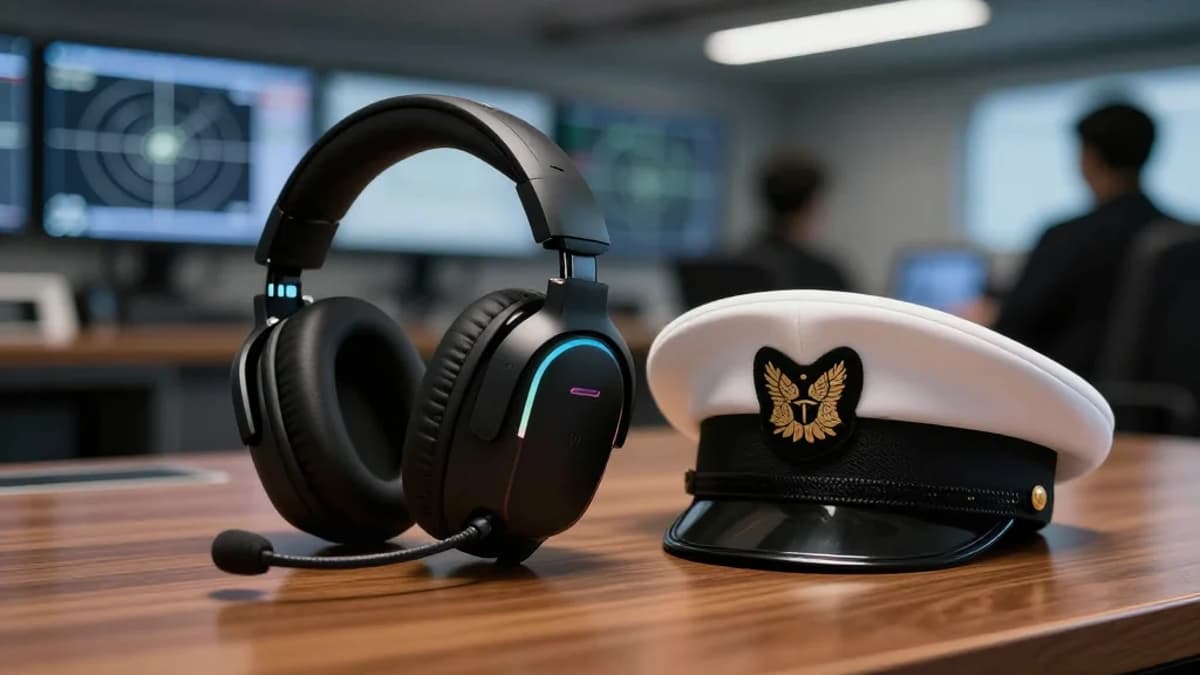
Why It Matters
The deal signals a growing convergence between esports analytics and defense, offering militaries a new source of real‑time data insight and training methodology. It underscores esports’ emerging role as a strategic asset in national security and digital warfare.
Key Takeaways
- •T1 partners with South Korean Navy to enhance cognitive analysis.
- •Collaboration focuses on esports data applied to tactical decision‑making.
- •Joint research and seminars aim to modernize naval digital operations.
- •T1 leverages its 196 million watch hours for defense insights.
- •Partnership reflects rising military interest in esports‑driven smart power.
Pulse Analysis
Esports organizations have long been celebrated for their ability to process massive streams of in‑game data, yet the strategic value of that capability is only now being recognized by defense establishments. T1’s recent MOU with the Korean Navy exemplifies how high‑frequency performance metrics, player behavior modeling, and real‑time analytics can be repurposed to sharpen situational awareness and decision speed in military contexts. By tapping into a team that logged 196 million hours of viewership in 2025, the navy gains access to sophisticated pattern‑recognition tools that traditional training simulations often lack.
The memorandum outlines a multi‑layered collaboration: joint research projects will translate esports tactical analysis into naval operational frameworks, while a series of academic conferences will disseminate findings across public and defence sectors. This knowledge‑exchange aims to accelerate the navy’s digital transformation, enhancing everything from cyber‑defense drills to autonomous system monitoring. Moreover, co‑hosted seminars will foster a talent pipeline, introducing data‑science graduates to both competitive gaming environments and defence applications, thereby enriching the navy’s analytical workforce.
T1’s initiative is part of a broader trend where armed forces view esports as a conduit for ‘smart power’—the blend of soft cultural influence and hard technological capability. The UK’s Royal Navy and the US Navy have already experimented with onboard esports suites and partnership activations, suggesting a global shift toward gamified training and recruitment. As more militaries adopt these models, the esports industry stands to benefit from new revenue streams, research funding, and heightened legitimacy as a contributor to national security strategy.
T1 signs partnership with South Korea’s Navy
0
Comments
Want to join the conversation?
Loading comments...