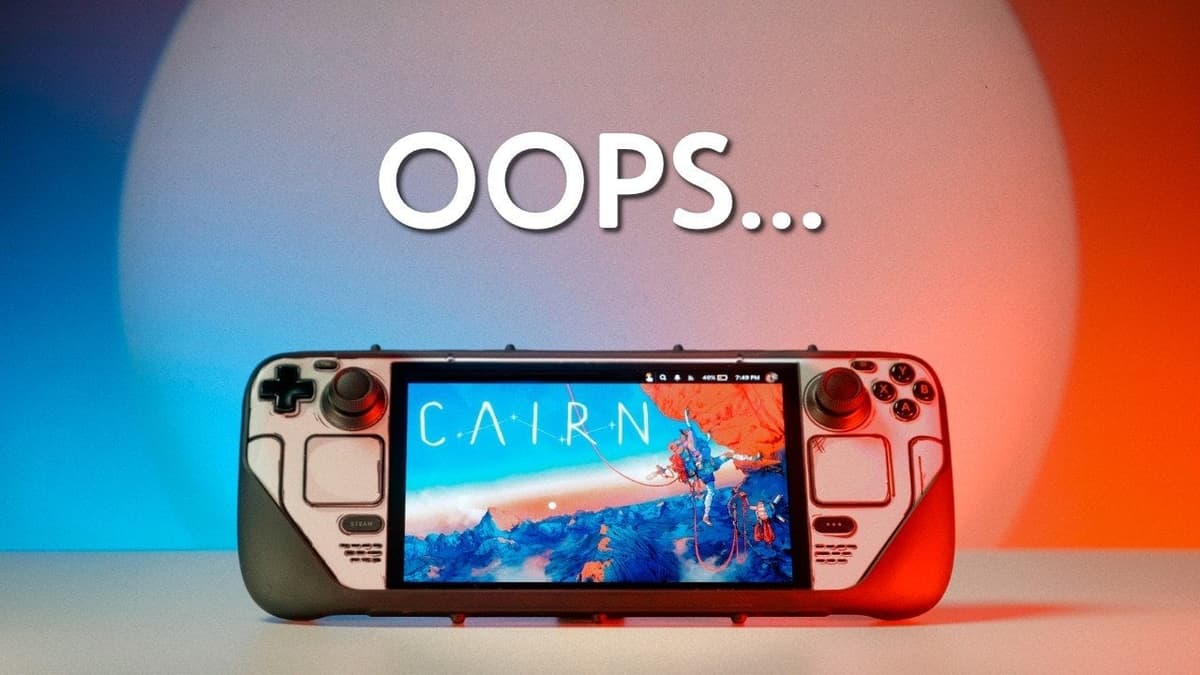
Valve Steam Deck Mistakes to Avoid for a Simpler, Smoother Setup
•February 19, 2026
0
Why It Matters
Simplifying the Steam Deck setup preserves performance, reduces downtime, and maximises the device’s value for mobile gamers. The advice helps users avoid costly mistakes and get the most out of Valve’s handheld ecosystem.
Key Takeaways
- •Limit plugins to essential performance tools
- •Invest in premium cases and reliable chargers
- •Curate a small, purposeful game library
- •Prioritize gameplay over endless tweaking
- •Embrace portability, accept hardware limits
Pulse Analysis
The Steam Deck’s open‑source SteamOS invites endless experimentation, but most users quickly discover that a minimalist approach yields the most reliable experience. Installing numerous performance overlays or third‑party tools can flood the UI, consume RAM, and introduce stability bugs that negate the handheld’s out‑of‑the‑box polish. Industry analysts recommend focusing on high‑impact customisations—such as controller remapping or a single performance monitor—while leaving the core OS untouched. This balance preserves battery life, maintains smooth frame rates, and reduces the need for frequent reboots.
Hardware durability is another often‑overlooked factor. Budget chargers and flimsy cases may save a few dollars initially, yet they can cause inconsistent power delivery, screen scratches, or chassis damage during travel. Premium accessories, engineered to meet the Deck’s power specifications and rugged use cases, protect the device and extend its usable lifespan, delivering a better return on investment. Retail data shows that users who upgrade to Valve‑approved docks or high‑quality USB‑C cables experience fewer charging failures and report higher overall satisfaction.
Finally, the Deck’s greatest strength lies in its portability and seamless Steam integration, not in matching high‑end PC performance. Gamers who curate a focused library—purchasing titles they intend to play immediately—avoid decision fatigue and make the most of on‑the‑go sessions. For demanding AAA games, leveraging Steam Remote Play from a more powerful PC can sidestep the need for aggressive in‑device tweaks. By accepting the handheld’s performance ceiling and emphasizing gameplay over endless optimization, users unlock a frictionless, enjoyable mobile gaming experience.
Valve Steam Deck Mistakes to Avoid for a Simpler, Smoother Setup
0
Comments
Want to join the conversation?
Loading comments...