10 Co-Op Games Designed For Players Who Love Exploring
Why It Matters
Co‑op exploration games meet rising player demand for social, low‑stress gameplay, reshaping how studios design multiplayer experiences and expanding market opportunities.
Key Takeaways
- •Co‑op exploration titles blend relaxation with shared discovery
- •Procedural generation fuels endless multiplayer adventures
- •Indie releases like Aloft and Journey drive genre popularity
- •Cross‑platform support expands player bases for co‑op games
- •Low‑stress design attracts casual and veteran gamers alike
Pulse Analysis
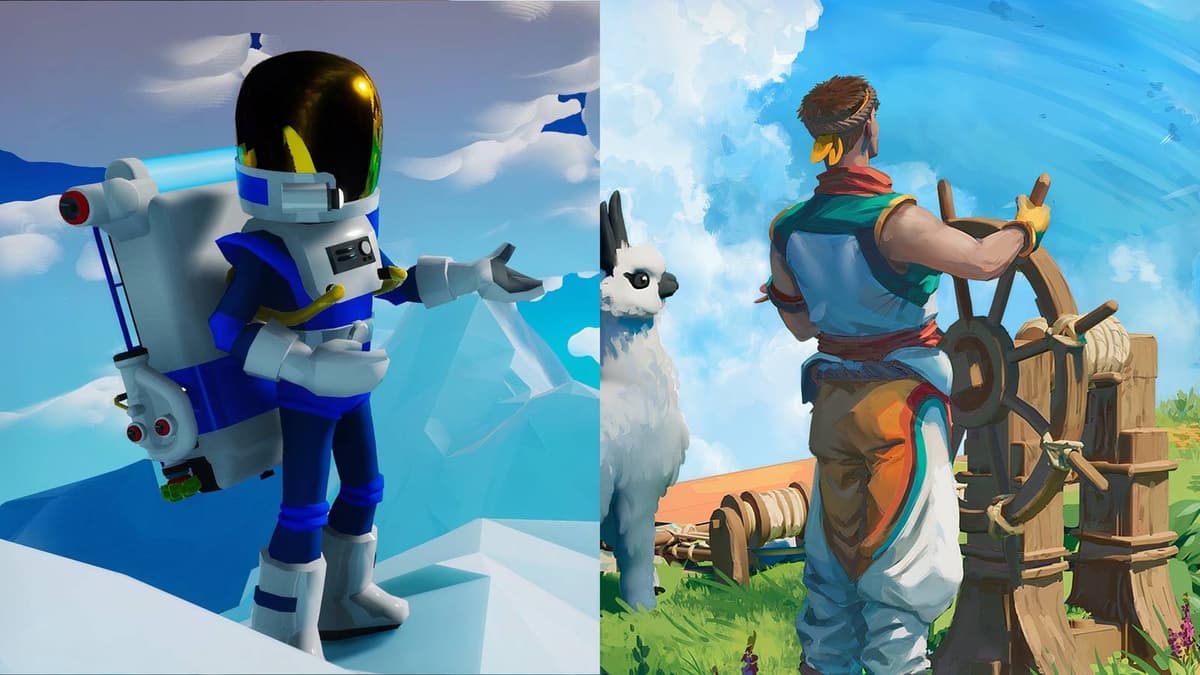
The past few years have seen a pronounced shift toward cooperative experiences that prioritize exploration over combat. Titles such as No Man’s Sky, Astroneer and Sea of Thieves demonstrate how developers are leveraging vast, procedurally generated environments to give friends a shared sense of wonder. This trend aligns with broader consumer fatigue around hyper‑competitive multiplayer, prompting studios to design games where the primary reward is discovery. By marrying open‑world design with seamless online or local co‑op, these games tap into a growing demand for low‑stress, socially connected play.
Design choices that lower entry barriers—simple controls, optional objectives, and gentle progression—have broadened the appeal of the genre. Indie successes like Aloft and the timeless Journey prove that minimalist aesthetics and narrative‑light frameworks can still generate deep emotional resonance when experienced together. Cross‑platform compatibility further amplifies reach, allowing players on Switch, PC, and consoles to join the same session without friction. The procedural nature of No Man’s Sky’s 18 quintillion planets or Minecraft’s endless blockscape ensures virtually limitless replay value, keeping communities active and fostering user‑generated content.
Looking ahead, the market is ripe for hybrid models that blend exploration with light survival or crafting loops, as seen in Satisfactory and Dinkum. Publishers are likely to invest in tools that simplify multiplayer matchmaking and shared world persistence, reducing technical hurdles for smaller studios. Monetization will continue to favor cosmetic DLC and seasonal passes that respect the core ethos of relaxed discovery. As players increasingly seek shared escapism, developers that can deliver polished, expansive worlds for two or more participants will capture both casual audiences and dedicated fanbases, driving sustained growth in the co‑op exploration segment.
10 Co-Op Games Designed For Players Who Love Exploring
Comments
Want to join the conversation?
Loading comments...