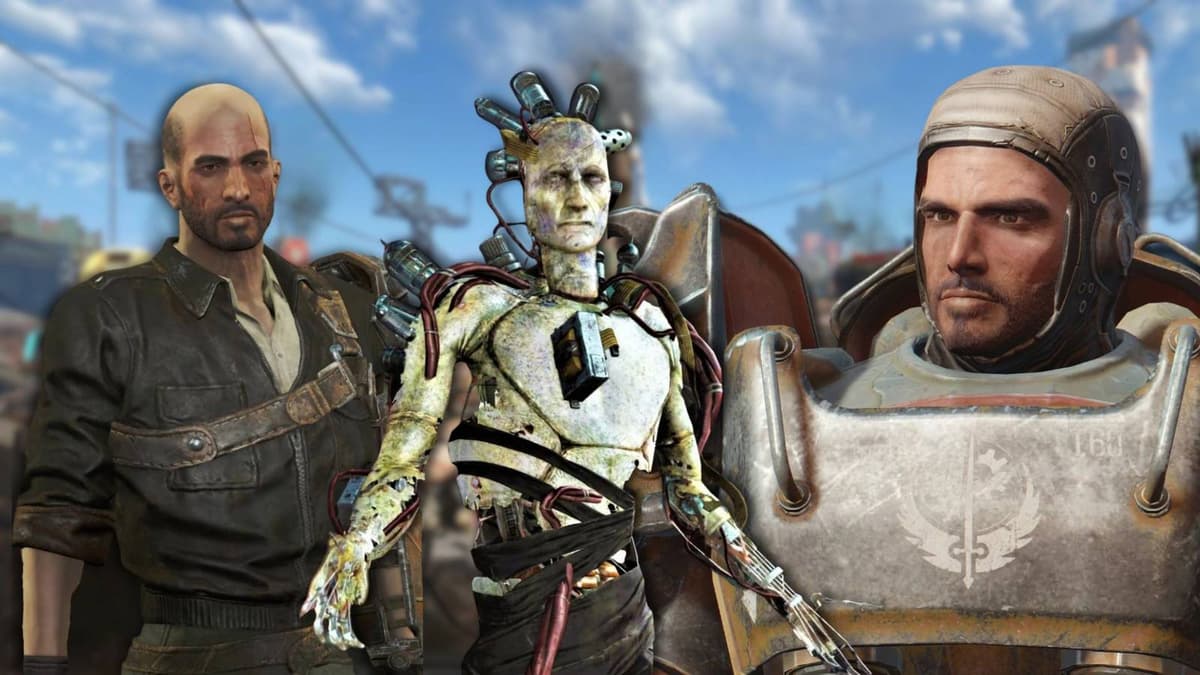
10 Fallout 4 Characters Who Are More Morally Complicated Than You Might Have Thought
Why It Matters
The article shows that nuanced character writing can sustain a game’s cultural relevance and drive deeper player engagement, a lesson valuable for developers seeking longevity in a crowded market.
Key Takeaways
- •Synth Shaun forces players to confront parental attachment to artificial life
- •Father blurs line between victim and mastermind within Institute hierarchy
- •DiMa mirrors Institute’s cruelty while claiming savior role in Far Harbor
- •Nick Valentine questions authenticity of empathy in synthetic beings
- •Paladin Danse embodies Brotherhood hypocrisy as a synth fighting its doctrine
Pulse Analysis
Fallout 4 turned ten this year, yet its reputation for atmospheric world‑building is now matched by a growing appreciation for its morally ambiguous characters. Early Bethesda titles often relegated NPCs to plot devices, but this installment introduced companions and antagonists whose motives resist simple categorization. By embedding ethical gray zones—such as a synthetic child that feels like a son or a leader who simultaneously saves and exploits—developers gave players narrative stakes that extend beyond loot and combat, fostering a deeper emotional investment.
The highlighted figures illustrate recurring themes that resonate with contemporary audiences. Synth Shaun raises questions about parental responsibility toward artificial life, while his counterpart, the Father, blurs the line between victim and architect of oppression. DiMa’s dual role as savior and oppressor mirrors real‑world debates on revolutionary leadership, and Nick Valentine’s self‑aware empathy challenges the notion of programmed morality. Even peripheral encounters, like Kyle and Riley’s tragic misunderstanding, capture the pervasive paranoia surrounding synthetic beings, reinforcing the game’s commentary on identity and trust.
For the industry, Fallout 4’s character complexity signals a shift toward storytelling that rewards moral reflection. As players increasingly seek experiences that reflect nuanced human dilemmas, studios that invest in layered character design can expect stronger community engagement and longer product lifespans. The game’s enduring relevance demonstrates that well‑crafted ethical conflicts are not just narrative flourishes—they are strategic assets in an era where narrative depth drives both critical acclaim and commercial success.
10 Fallout 4 Characters Who Are More Morally Complicated Than You Might Have Thought
Comments
Want to join the conversation?
Loading comments...