Companies Mentioned
Why It Matters
Understanding these legacy design hurdles helps developers craft more accessible remasters while preserving the rewarding depth that defines classic JRPGs. It also guides collectors and new players toward resources that mitigate frustration.
Key Takeaways
- •Star Ocean: The Second Story spikes difficulty without item crafting mastery
- •The Legend of Dragoon demands precise timing for combat combos
- •Legend of Mana’s progression relies on obscure grid placement guides
- •Final Fantasy Tactics offers steep tactical learning curve without hand‑holding
- •SaGa Frontier features freeform exploration and random skill acquisition
Pulse Analysis
The PlayStation 1 era birthed some of the most ambitious role‑playing experiences, yet many of those games suffered from a lack of player guidance. Without printed manuals or in‑game tutorials, titles such as Star Ocean: The Second Story forced players to discover complex item‑creation systems through trial and error. This design philosophy created a sense of achievement for those who persevered, but also alienated newcomers who struggled to grasp basic mechanics, a tension that still informs retro‑gaming discussions today.
Beyond narrative depth, the mechanical difficulty of PS1 JRPGs set a high bar for player skill. The Legend of Dragoon, for instance, built its combat around rhythm‑based inputs, turning each encounter into a timing puzzle. Tactical entries like Final Fantasy Tactics and Hoshigami: Ruining Blue Earth introduced unforgiving grid battles and permadeath, demanding strategic foresight without modern quality‑of‑life features. Meanwhile, open‑ended systems in SaGa Frontier and Legend of Mana rewarded experimentation but punished ignorance, often requiring external guides to navigate obscure progression trees.
For contemporary developers and publishers, these lessons underscore the importance of balancing challenge with clarity. Remasters that integrate optional tutorials, scalable difficulty, and comprehensive in‑game codexes can honor the original’s depth while widening appeal. Players revisiting these classics benefit from community‑generated walkthroughs and video content that fill the informational gaps left by the original releases. As the retro market continues to grow, respecting the hard‑won legacy of PS1 JRPGs while modernizing accessibility will be key to sustaining both nostalgia and new audience engagement.
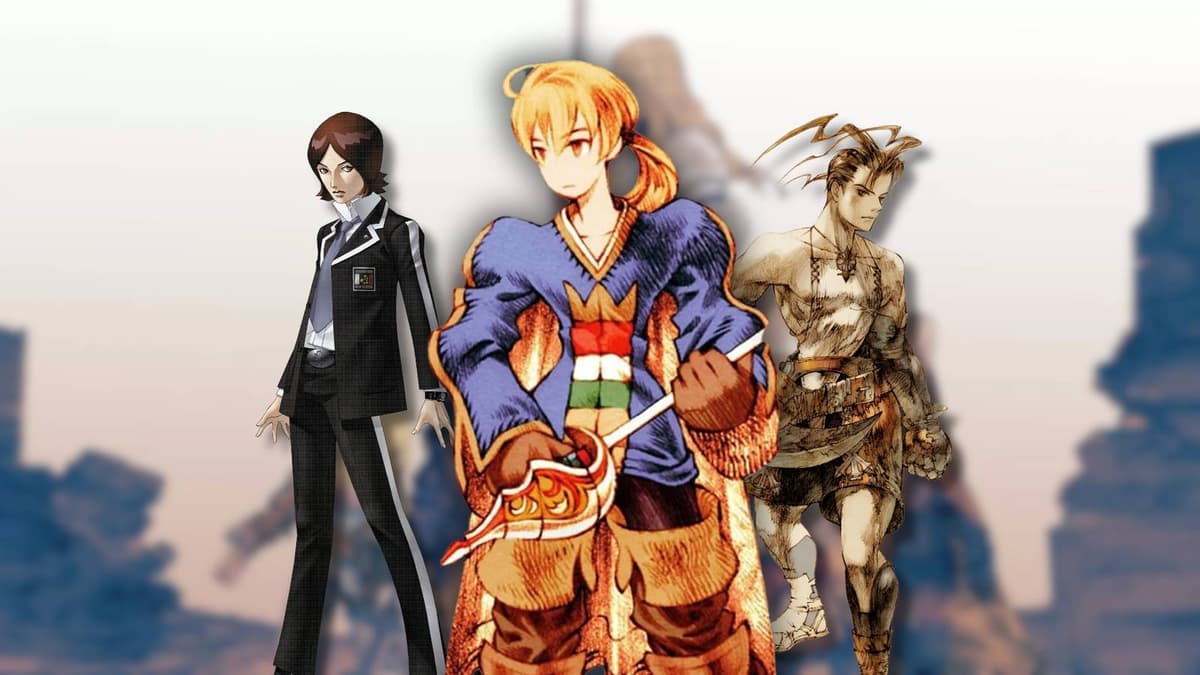
10 Hard to Beat PS1 JRPGs
Comments
Want to join the conversation?
Loading comments...