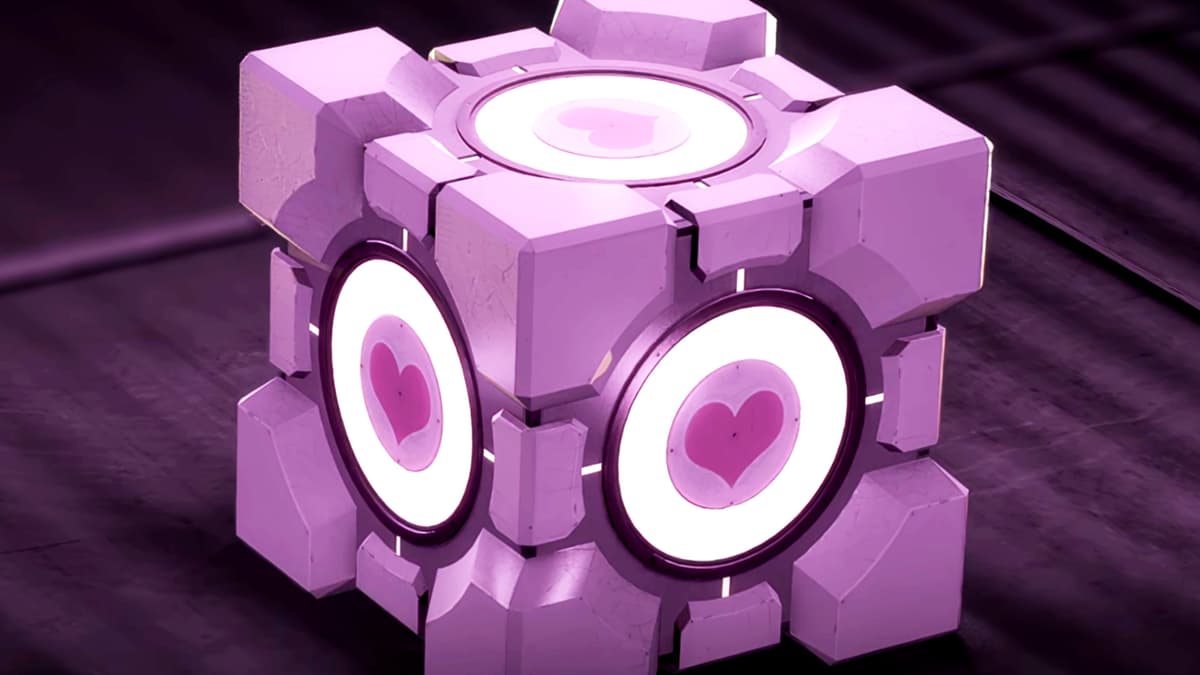
15 Years on, Portal 2 Community Edition Just Breathed New Life Into Valve's Classic
Companies Mentioned

Valve
Why It Matters
The upgrade revitalizes a classic title, extending its lifespan and deepening engagement through user‑generated content, which can translate into sustained sales and brand relevance. It also showcases how community‑led development can add commercial value without direct publisher investment.
Key Takeaways
- •Community Edition adds PBR, dynamic shadows, volumetric fog to Portal 2
- •Uses Strata Source, a modified CS:GO engine branch, for new features
- •Provides upgraded mod tools, AngelScript, and Steam Workshop integration
- •Free download requires owning original Portal 2; open beta still in progress
- •Multiplayer support planned, expanding community‑driven gameplay
Pulse Analysis
Celebrating fifteen years since its launch, Valve’s Portal 2 remains a benchmark for narrative‑driven puzzle games. While the original title still attracts new players, the recent release of Portal 2: Community Edition demonstrates how fan‑driven development can extend a game’s lifecycle far beyond official support. The project, assembled by 29 volunteers, is distributed for free on Steam but requires a legitimate copy of the base game. By positioning the mod as an open beta hub for custom content, the community is effectively turning a classic single‑player experience into a living platform for creators.
The technical backbone of Community Edition is the Strata Source engine, a heavily modified branch of the CS:GO codebase that debuted in 2020. This engine unlocks physically‑based rendering, higher‑resolution textures, clustered shading, and volumetric fog—visuals that were impossible under the original Source limitations. In addition, the mod ships with revamped authoring tools, including an AngelScript framework that lets developers script new entities, behaviors, and even whole game modes. Integrated Steam Workshop support and a Panorama‑based UI further streamline the publishing pipeline, lowering the barrier for hobbyist designers to share polished levels.
From a business perspective, the Community Edition illustrates the commercial value of nurturing user‑generated content ecosystems. Valve’s decision to keep the core game proprietary while encouraging free, community‑maintained extensions helps sustain player engagement without additional licensing costs. The upcoming multiplayer component could attract a broader audience, potentially driving ancillary sales of the original title and related merchandise. Moreover, the project serves as a case study for other studios seeking to leverage open‑source‑style collaborations to revitalize legacy IPs, highlighting how modders can become de‑facto custodians of a brand’s relevance.
15 years on, Portal 2 Community Edition just breathed new life into Valve's classic
Comments
Want to join the conversation?
Loading comments...