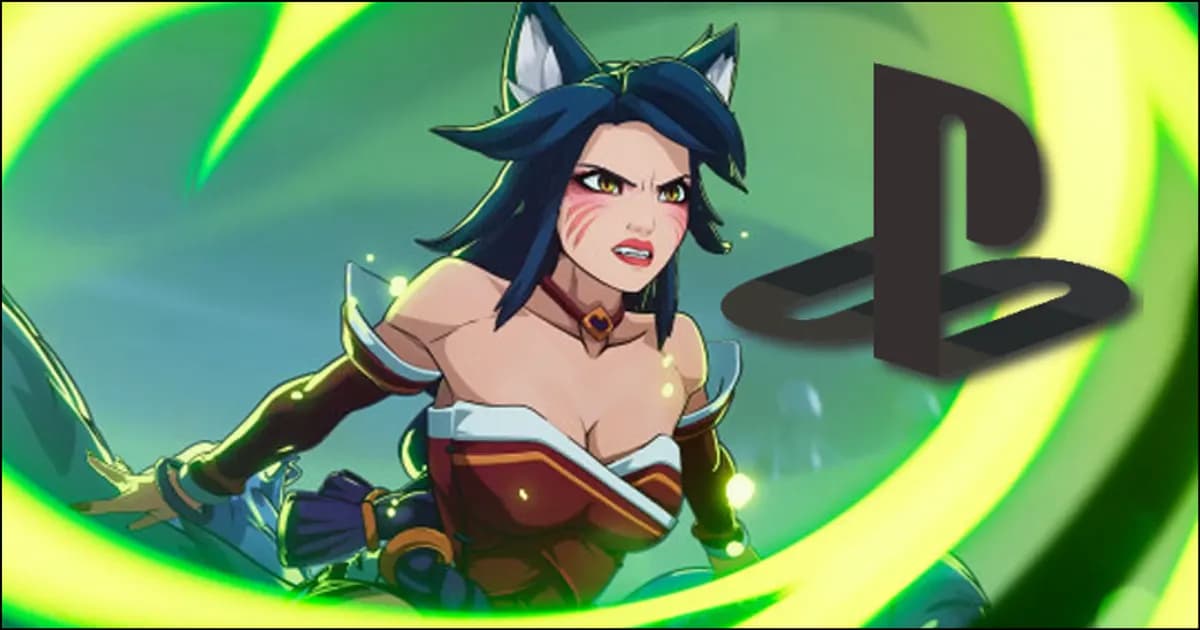
2XKO Already Falls Off PlayStation's Top Downloads Chart in First Full Month, Even Below the Shuttering Highguard
•March 5, 2026
0
Why It Matters
The rapid decline signals potential monetization challenges for Riot's first fighting‑game venture, and could influence future investment in niche free‑to‑play titles.
Key Takeaways
- •2XKO fell out of PlayStation top‑10 February 2026.
- •Riot cut roughly 50% of the development team.
- •New champions Akali, Senna announced to boost engagement.
- •Tournament rewards pilot aims to increase in‑game spending.
- •Skins priced around $20 may deter casual fighting‑game players.
Pulse Analysis
2XKO, Riot Games' long‑awaited entry into the fighting‑game genre, emerged from almost ten years of development to a January launch on PlayStation consoles. The free‑to‑play 2v2 title quickly climbed to third place on Sony's February download chart despite only eleven days of availability, outpacing heavyweight franchises such as Marvel Rivals and Call of Duty: Warzone. That early surge suggested a strong crossover appeal between League of Legends fans and competitive fighting enthusiasts, positioning 2XKO as a potential new revenue stream for the company.
The momentum proved fleeting; by February's end the game vanished from the top‑ten downloads in both North America and Europe, a sharper decline than the modestly successful Highguard, which still held eighth before its scheduled shutdown. Riot's silence on player‑count metrics, coupled with a half‑staff layoff weeks after launch, highlights doubts about the monetization model. Skins average $20—far above typical fighting‑game cosmetics—potentially deterring casual players and restricting the revenue needed to sustain ongoing development.
To revive interest, Riot has announced the addition of two popular League champions—Akali and Senna—as playable fighters and launched a pilot program rewarding participants in local and online tournaments with in‑game items. These moves aim to deepen engagement among the existing niche community while attracting competitive players who value tournament incentives. If the initiative succeeds, it could provide a template for other free‑to‑play esports titles seeking sustainable revenue without relying on massive player bases. However, the long‑term viability of 2XKO will ultimately depend on whether its monetization strategy can align with the price sensitivity of the broader fighting‑game market.
2XKO already falls off PlayStation's top downloads chart in first full month, even below the shuttering Highguard
0
Comments
Want to join the conversation?
Loading comments...