Why It Matters
Nintendo’s strong performance reinforces the Switch’s longevity and signals robust demand for multiplayer‑centric, low‑barrier games, influencing platform strategies across the gaming industry.
Key Takeaways
- •Nintendo Switch digital sales hit new highs
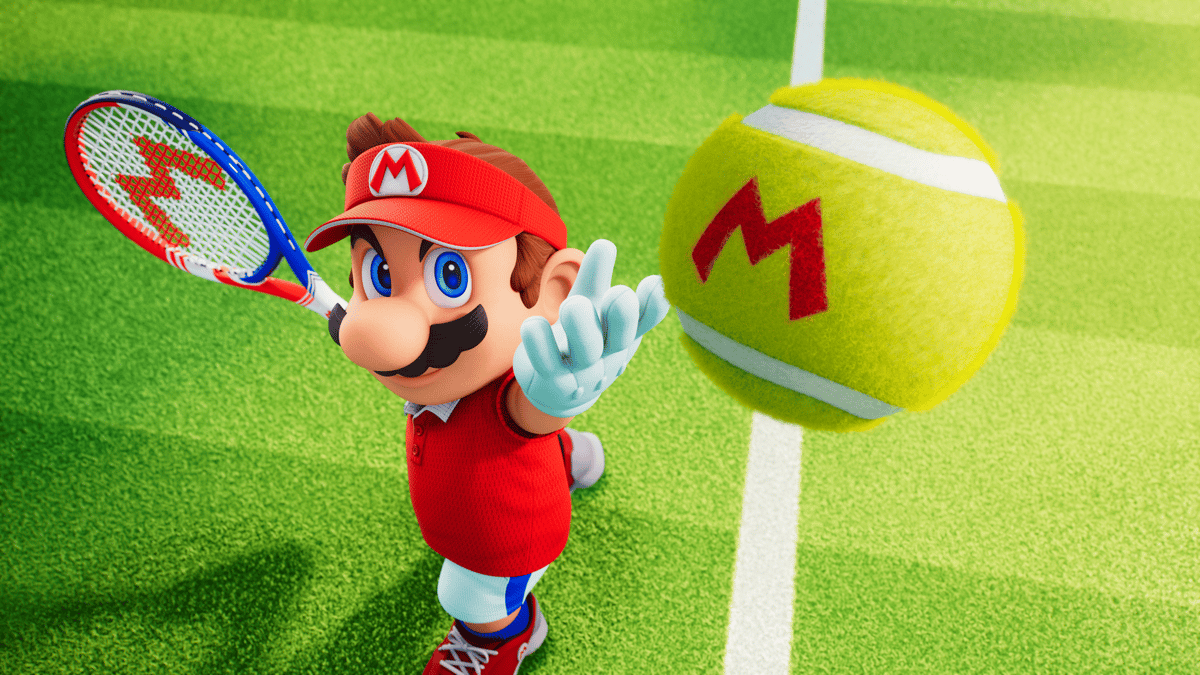
- •Mario Tennis resurgence drives hardware engagement
- •Super Smash Bros updates boost community activity
- •Indie titles thriving on Nintendo’s ecosystem
- •Switch’s user base expands despite console age
Pulse Analysis
Nintendo’s latest wave of "Smash hits" demonstrates how the Switch remains a fertile ground for both legacy franchises and fresh indie experiences. By reviving the Mario Tennis series with modern mechanics and online play, Nintendo tapped into nostalgic demand while attracting new players, resulting in a notable uptick in software downloads and hardware activation. This resurgence aligns with the company’s broader strategy to prioritize multiplayer accessibility, a move that differentiates the Switch from competitors focused on high‑end graphics.
Beyond flagship titles, the newsletter points to a growing pipeline of indie developers capitalizing on Nintendo’s low‑cost certification process and enthusiastic audience. Games that emphasize quick, social sessions are flourishing, reinforcing the Switch’s reputation as a party console. This trend has broader implications: platform holders are increasingly courting developers who can deliver high‑engagement titles without massive budgets, reshaping revenue models toward digital distribution and live‑service updates.
Analysts view Nintendo’s performance as a bellwether for the console market’s health in 2026. Strong digital sales, expanding active user counts, and a pipeline of multiplayer‑focused releases suggest the Switch will sustain relevance well beyond its original lifecycle. Competitors may need to reassess their own content strategies, emphasizing cross‑generational appeal and community‑driven experiences to capture similar growth. For investors and industry watchers, Nintendo’s "Smash hits" signal that well‑executed, socially oriented games can drive both short‑term spikes and long‑term platform stability.
#364: Smash hits
0
Comments
Want to join the conversation?
Loading comments...