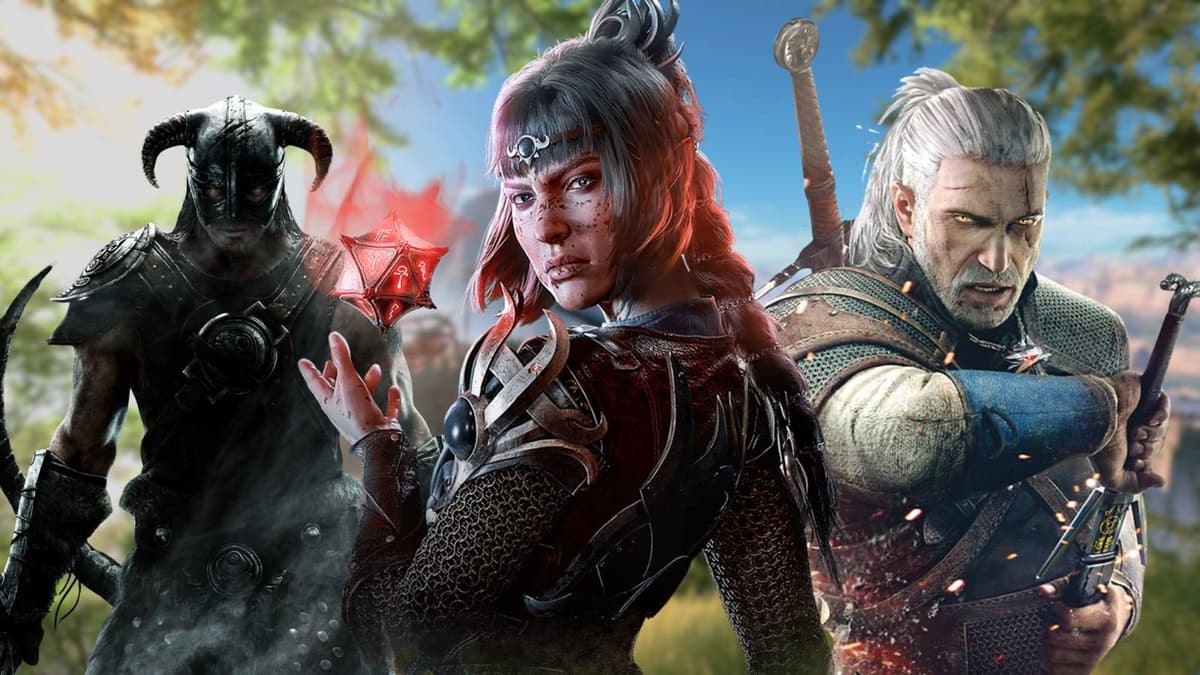
7 RPG Studios Hasbro Should Learn From if They Want Their $1B Investment Into D&D to Work
Why It Matters
A $1 billion spend could reshape how tabletop IPs transition to digital, but misreading proven RPG formulas risks costly failures. Learning from established studios improves Hasbro’s odds of delivering profitable, high‑engagement D&D experiences.
Key Takeaways
- •Larian Studios excels at player agency and emergent gameplay
- •BioWare’s storytelling and companion systems set RPG narrative standards
- •Bethesda’s sandbox freedom lets players ignore main quests without breaking games
- •CD Projekt Red balances open world depth with subtle narrative guidance
- •ZA/UM rebuilt community trust after internal turmoil, a lesson for brand reputation
Pulse Analysis
The tabletop renaissance sparked by Dungeons & Dragons has spilled over into mainstream entertainment, with shows like Critical Role and Stranger Things introducing new audiences to role‑playing concepts. The watershed moment arrived with Baldur’s Gate 3, which proved that a faithful video‑game translation of a tabletop system can capture both narrative depth and player freedom. Hasbro’s $1 billion pledge signals a strategic shift from licensing to direct development, aiming to own the digital experience of its flagship property and capture a slice of the lucrative single‑player RPG market.
Each of the seven highlighted studios offers a distinct lesson for Hasbro. Larian’s iterative design and emergent mechanics show how to keep gameplay fresh across multiple playthroughs, while BioWare’s focus on character‑driven storytelling and memorable companions demonstrates the emotional hooks that keep players invested. Bethesda’s open‑world sandbox model teaches the value of non‑linear progression, and CD Projekt Red’s balance of expansive worlds with subtle narrative guidance illustrates how to steer players without rail‑shooting. Obsidian’s mature, philosophically rich narratives, Warhorse’s hyper‑realistic medieval immersion, and ZA/UM’s community‑first recovery after internal turmoil round out a playbook for blending depth, authenticity, and brand stewardship.
For Hasbro, the challenge lies in synthesizing these insights while preserving the core D&D identity. A successful strategy will marry Larian‑style player agency with BioWare‑level character arcs, wrapped in Bethesda‑style freedom and CD Projekt‑grade worldcraft. By doing so, Hasbro can mitigate the risk of a mis‑aligned product launch, maximize return on its billion‑dollar outlay, and set a new benchmark for tabletop‑to‑digital adaptations. The payoff could be a sustainable franchise that expands D&D’s reach beyond the tabletop, reinforcing Hasbro’s position in both the gaming and entertainment ecosystems.
7 RPG Studios Hasbro Should Learn From if They Want Their $1B Investment Into D&D to Work
Comments
Want to join the conversation?
Loading comments...