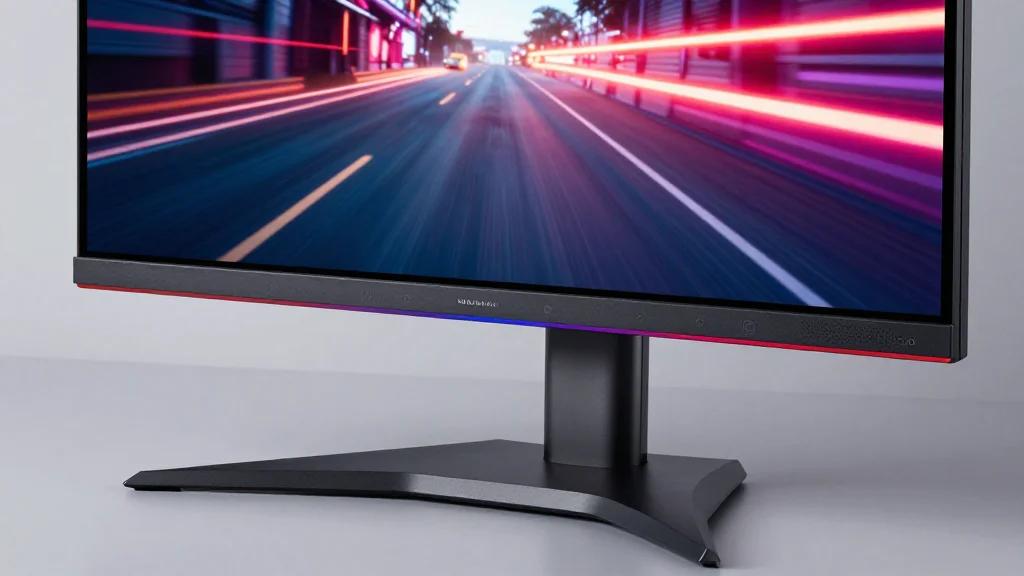
720 Hz Gaming Monitors May Be Overkill for Most Players

Why It Matters
Ultra‑high refresh‑rate monitors represent the cutting edge of display technology, but their adoption influences the broader gaming ecosystem. If manufacturers continue to prioritize refresh rate over resolution, gamers may feel pressured to upgrade expensive GPUs just to utilize these displays, potentially widening the gap between casual and hardcore players. Conversely, a market correction toward balanced specs could democratize high‑performance gaming, making smoother experiences accessible without sacrificing visual fidelity. The debate also informs future console and PC hardware roadmaps. Console makers, for instance, must decide whether to target 120 Hz, 144 Hz, or aim higher, impacting game design and performance optimization. Understanding the real‑world benefits of 720 Hz helps shape realistic expectations for both hardware developers and consumers.
Key Takeaways
- •LG UltraGear 27GX790B-B offers 540 Hz at 1440p and 720 Hz at 720p for $994.
- •Reviewers found the 720 Hz mode sacrifices resolution, making differences hard to perceive.
- •Brandon Hill (Tom’s Hardware) prefers 540 Hz/1440p for visual clarity over ultra‑high refresh.
- •Dave James (PC Gamer) says 240 Hz is a realistic target for most gamers with current GPUs.
- •Most gamers will likely stick to 144‑240 Hz monitors until GPUs consistently exceed 300 fps.
Pulse Analysis
The hype around 720 Hz monitors is a textbook case of technology chasing headline numbers rather than user‑centric value. Historically, each jump in refresh rate— from 60 Hz to 120 Hz, then to 144 Hz—was justified by measurable improvements in competitive play and overall smoothness. The current 720 Hz leap, however, arrives at a point where the bottleneck has shifted from the display to the GPU and the human eye. Even elite rigs struggle to sustain the frame rates needed to fully exploit a 720 Hz panel, especially at higher resolutions and graphical settings. This mismatch creates a market segment that values bragging rights over practical performance.
From a competitive standpoint, the marginal advantage of shaving milliseconds off input lag may be decisive in elite esports, but the majority of the gaming population does not operate at that level. The cost premium for a 720 Hz monitor—often exceeding $1,000—combined with the need for a top‑tier GPU creates a high barrier to entry. As a result, manufacturers risk alienating the broader consumer base, which prefers a balanced experience of high frame rates, rich visuals, and affordable pricing. The industry may see a pivot toward hybrid solutions that deliver 240‑300 Hz at 1440p or 4K, leveraging variable refresh technologies like NVIDIA’s G‑Sync Ultimate to maximize perceived smoothness without sacrificing pixel density.
Looking forward, the real opportunity lies in aligning display advancements with realistic GPU capabilities and consumer expectations. If GPU performance continues its upward trajectory, we may eventually see a sweet spot where 360‑480 Hz at 1440p becomes viable, offering a perceptible improvement without the resolution penalty of 720 Hz at 720p. Until then, the market will likely settle on 240‑300 Hz as the optimal range for most gamers, and manufacturers that recognize this balance will capture the larger share of the premium monitor segment.
720 Hz Gaming Monitors May Be Overkill for Most Players
Comments
Want to join the conversation?
Loading comments...