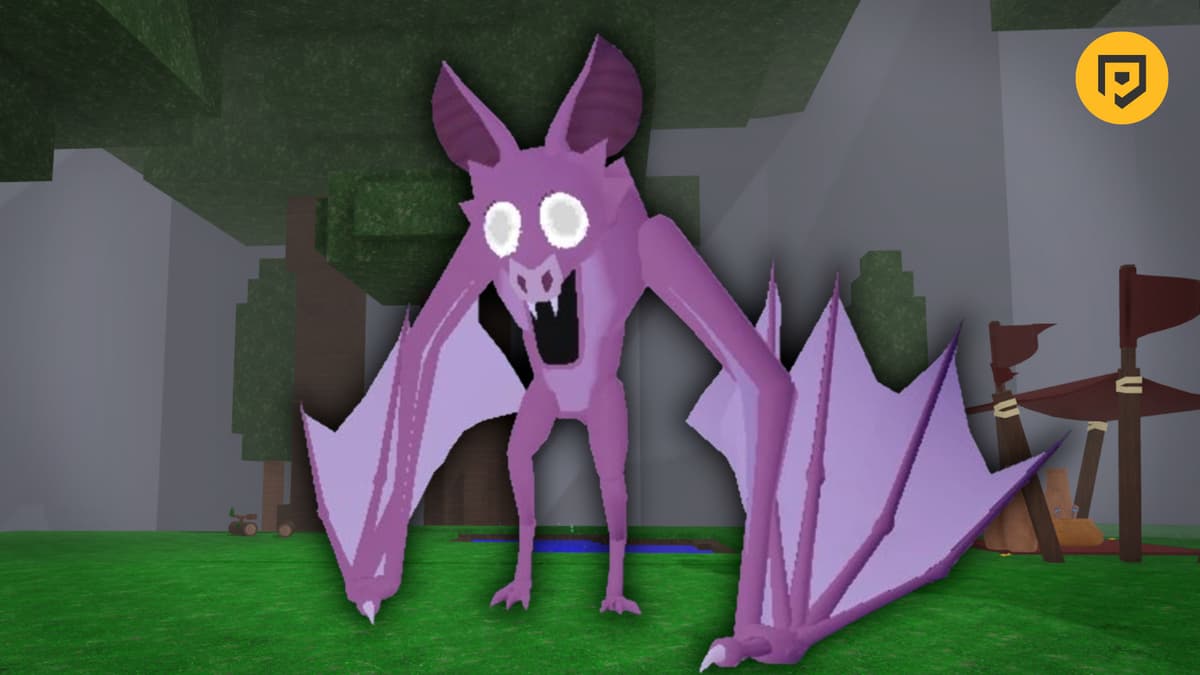
Why It Matters
Understanding the Bat’s mechanics is crucial for players to avoid wasted resources and frustration, while highlighting the game’s design choice to incorporate truly unbeatable foes that shape difficulty pacing.
Key Takeaways
- •Bat spawns exclusively in underground Caves areas
- •Enemy is invincible, no HP bar
- •Uses screech and cultist summons to attack
- •Avoidance and wall positioning are primary tactics
- •Flashlight cannot stun; ammo wasted on attacks
Pulse Analysis
The Forest’s design introduces the 99 Nights in the Forest Bat as a deliberate break from conventional enemy encounters. By removing a health bar and rendering the creature immune to standard stun tools, the developers force players to rethink combat expectations. This design choice mirrors a broader trend in survival horror titles where certain threats are meant to be observed rather than defeated, reinforcing tension and encouraging strategic movement over brute force.
Players quickly adopted a set of core tactics: hugging walls to block the bat’s line of sound, prioritizing the rapid dispatch of summoned cultists, and retreating to safe zones outside the Caves. Community forums and video guides proliferated, emphasizing that ammunition spent on the Bat is wasted. The consensus underscores a shift toward resource management, where conserving ammo for viable threats becomes a survival imperative. These shared strategies have extended the game’s lifespan, as players experiment with positioning and timing to outmaneuver an otherwise unstoppable foe.
From a market perspective, the Bat exemplifies how unkillable enemies can drive player engagement and content creation. By embedding a challenge that cannot be solved through damage alone, the game stimulates discussion, user‑generated guides, and repeat playthroughs. This approach not only enhances replay value but also provides valuable feedback for developers on difficulty balancing. Future updates may fine‑tune such encounters, but the current model demonstrates that well‑crafted, invincible adversaries can be a powerful tool for sustaining community interest and monetization through extended playtime.
99 Nights in the Forest Bat guide
0
Comments
Want to join the conversation?
Loading comments...