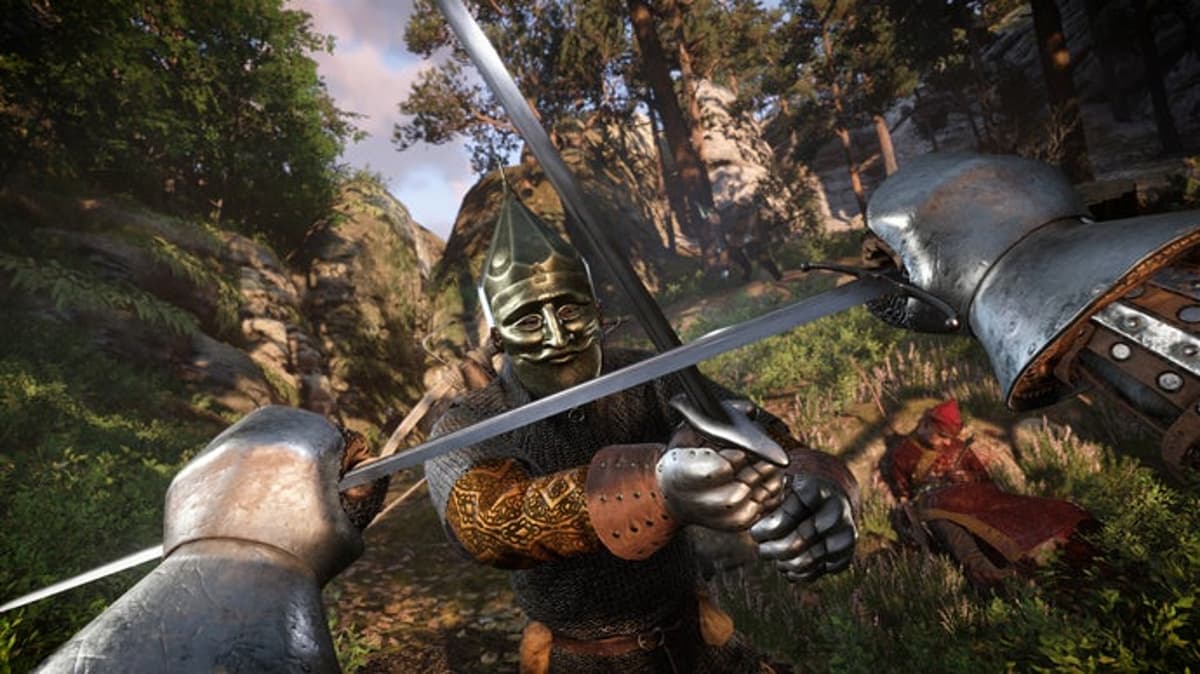
A Kingdom Come: Deliverance 2 Multiplayer Mod Is in the Works, and You Can Try an Experimental Version Already
•February 27, 2026
0
Companies Mentioned

GitHub

Valve
Why It Matters
The mod could extend the lifespan of KCD2 by adding a multiplayer dimension, attracting new players and fostering community‑driven content. It also showcases how open‑source modding can influence commercial game ecosystems.
Key Takeaways
- •Modders released experimental multiplayer build on GitHub.
- •Two players appear as synchronized ghost NPCs.
- •New version adds armor, weapons, and shadows.
- •Requires legitimate KCD2 copy and official mod tools.
- •Long-term goals include PvP and role‑play servers.
Pulse Analysis
The rise of community‑driven mods has reshaped how developers view post‑launch support, and Kingdom Come: Deliverance 2 is no exception. Historically a single‑player RPG praised for its realistic medieval setting, the title now benefits from a grassroots effort to inject multiplayer functionality. By leveraging the game’s official modding SDK, the Polish team built a lightweight framework that synchronizes player avatars as NPCs, allowing two participants to explore the world together without altering core gameplay mechanics.
Technical progress has been swift. Early iterations displayed players as translucent “ghosts,” but recent commits introduce fully equipped characters that cast realistic shadows, narrowing the visual gap between modded avatars and native NPCs. The open‑source repository on GitHub invites additional contributors, accelerating feature development and bug fixing. Crucially, the mod requires only a legitimate copy of KCD2 and the Steam‑distributed tools, lowering the barrier for enthusiasts to test and expand the system. This collaborative model mirrors successful community projects in titles like Skyrim and Minecraft, where mod ecosystems have prolonged relevance and generated ancillary revenue streams.
From a business perspective, the multiplayer prototype signals untapped potential for Deep Silver. Should the mod mature into stable PvP or role‑play servers, it could revitalize player engagement, increase concurrent user counts, and open avenues for microtransactions or official DLC that builds on the community foundation. Moreover, the visibility of such a project underscores the strategic value of supporting mod tools, encouraging fan‑generated content that can act as a low‑cost R&D pipeline for future online features. In an industry where live service models dominate, harnessing modder innovation offers a pragmatic path to extend a game’s commercial life while reinforcing brand loyalty.
A Kingdom Come: Deliverance 2 multiplayer mod is in the works, and you can try an experimental version already
0
Comments
Want to join the conversation?
Loading comments...