After Trying Subtractive Runemixer, I Can't Unsee the Links Between RPG Element Systems and Colour Theory
•March 6, 2026
0
Why It Matters
By linking colour theory to combat mechanics, Subtractive Runemixer demonstrates a fresh design paradigm that could deepen strategic depth and visual storytelling in RPGs, influencing both indie and mainstream developers.
Key Takeaways
- •Free indie RPG blends colour theory with combat.
- •Runic system uses mixing mechanics like paint palettes.
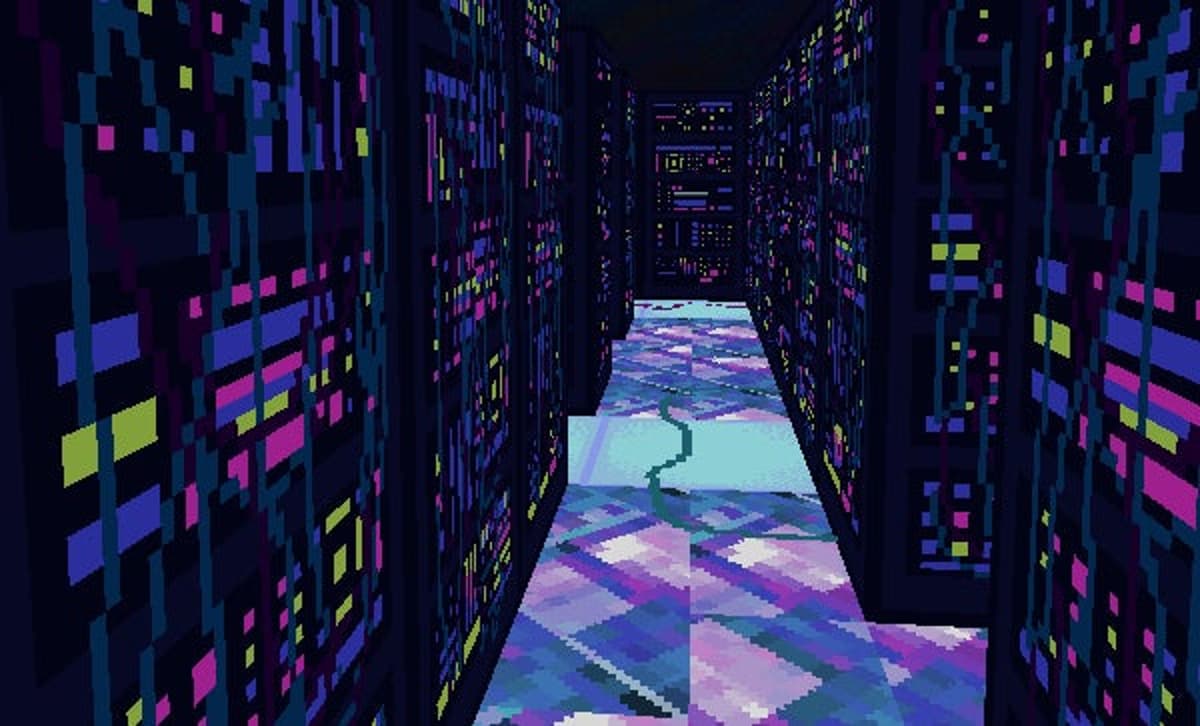
- •Visuals feature pink-purple crystals and glitchy church interiors.
- •Suggests elemental systems could map to colour relationships.
- •Reminiscent of Chrono Cross’s triadic field effects.
Pulse Analysis
The indie scene continues to push boundaries, and Subtractive Runemixer exemplifies how experimental mechanics can reshape player expectations. By treating runes as pigments, the game transforms combat into a visual composition exercise, where each turn resembles an artist layering hues. This approach not only adds a tactile layer to strategy but also leverages the brain’s innate response to colour contrast, making battles feel more intuitive and aesthetically rewarding.
Colour theory has long informed visual design, yet its systematic integration into gameplay mechanics remains rare. Subtractive Runemixer’s emphasis on primary, secondary, and tertiary hues suggests a new taxonomy for elemental interactions—fire, water, earth, and beyond could be evaluated on a spectrum rather than binary strengths and weaknesses. Such a model invites deeper player experimentation, as mastering hue combinations becomes a path to unlocking powerful synergies, echoing the nuanced field‑effect system of Chrono Cross while offering a modern, more granular framework.
For developers, the game’s prototype signals a viable path toward richer, more expressive combat systems without extensive resource investment. By leveraging existing art assets and simple turn‑based logic, designers can embed colour‑driven mechanics that enhance narrative tone and strategic depth. As the industry seeks fresh hooks to differentiate titles, the marriage of colour theory and RPG elements may become a compelling trend, encouraging studios to explore visual‑mechanical hybridity that resonates with both casual and hardcore audiences.
After trying Subtractive Runemixer, I can't unsee the links between RPG element systems and colour theory
0
Comments
Want to join the conversation?
Loading comments...