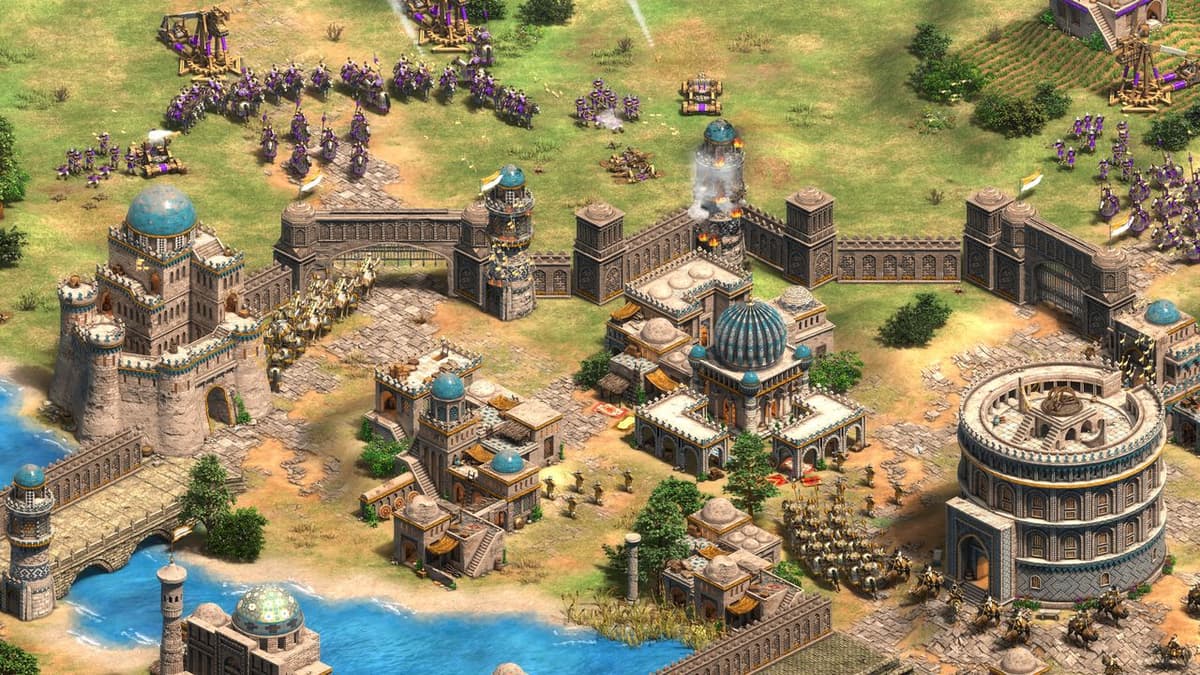
Age of Empires 2: The Age of Kings Retrospective – The Millennial Medieval Masterwork Proves that There's More to RTS than Killing and Destruction
Companies Mentioned
Why It Matters
The analysis shows that a classic RTS can stay relevant by prioritizing simplicity, narrative depth, and sensory design, offering a roadmap for reviving a genre that has waned in mainstream appeal.
Key Takeaways
- •Only four resources and a simple upgrade tree define gameplay.
- •Blends combat with city‑builder elements for a cosy experience.
- •Historical campaigns embed factual detail and narrative depth.
- •Soundtrack and ambient cues create a rhythmic sense of progress.
- •Thirty‑year legacy shows RTS can stay relevant without over‑complexity.
Pulse Analysis
Real‑time strategy games have largely receded from the spotlight, eclipsed by battle‑royale and live‑service titles. Age of Empires II defies that trend by stripping the genre to its essentials: four resources, a clear upgrade path, and intuitive controls that let newcomers grasp the basics in minutes. This minimalist framework reduces the learning curve that has plagued newer RTS releases, allowing players to focus on macro‑level decisions rather than micromanaging endless tech trees. The result is a timeless accessibility that keeps the game competitive in a market saturated with complexity.
Beyond its lean mechanics, AOEII excels at delivering a "cosy" experience that merges traditional war‑game intensity with city‑building serenity. Players can spend hours crafting idyllic medieval towns, arranging monasteries, farms, and markets while the soundtrack—featuring medieval flutes and tribal drums—reinforces each incremental achievement. Historical campaigns, narrated from diverse perspectives, weave factual accuracy with dramatic storytelling, turning each mission into an interactive lesson in world history. The layered sound design, from the clatter of axes to the mournful toll of destroyed wonders, creates an auditory rhythm that mirrors the ebb and flow of empire building.
The game's enduring relevance offers a blueprint for future RTS development. By emphasizing streamlined resource management, narrative richness, and immersive audio‑visual cues, developers can attract both veteran strategists and casual gamers seeking depth without overwhelm. Moreover, AOEII’s ability to evoke emotional responses to in‑game violence suggests that thoughtful design can balance conflict with empathy, a lesson applicable across genres. As the industry searches for fresh experiences, the Age of Empires II formula demonstrates that revisiting core principles—simplicity, story, and sensory engagement—can revitalize real‑time strategy for a new generation.
Age of Empires 2: The Age of Kings retrospective – The millennial medieval masterwork proves that there's more to RTS than killing and destruction
Comments
Want to join the conversation?
Loading comments...