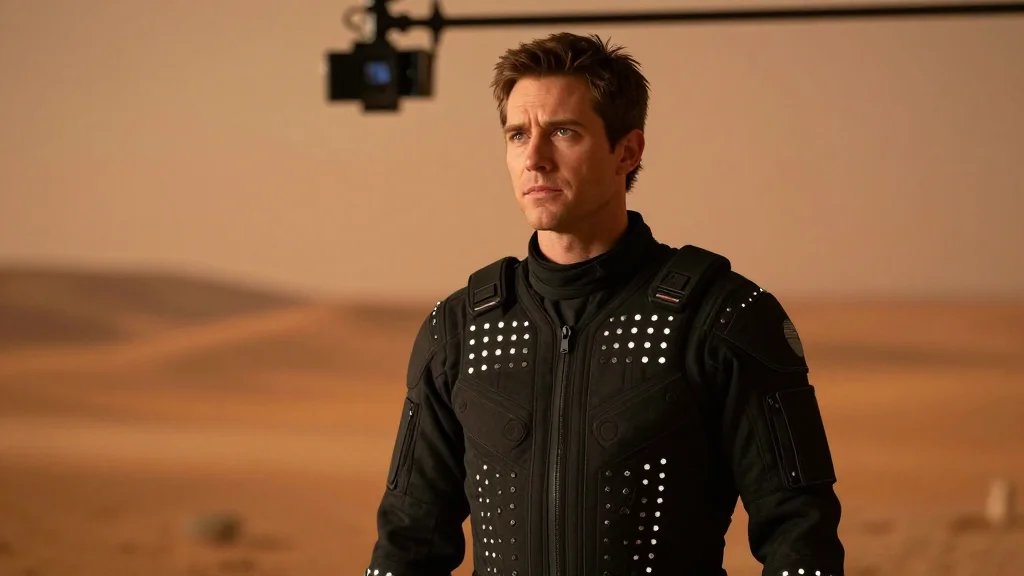
Alec Newman Says Video‑Game Acting Finally Earns Respect as Crimson Desert Hits 5 Million Sales

Why It Matters
Newman’s remarks illustrate a cultural shift within the entertainment industry: video‑game performance capture is gaining parity with film and television acting. This change encourages studios to invest in higher‑quality talent, which can elevate narrative depth and player immersion. As games like Crimson Desert demonstrate commercial viability through strong sales and aggressive post‑launch support, the incentive to treat voice and motion work as core creative assets grows, potentially leading to better contracts, residuals, and broader recognition for actors. The trend also signals to investors that games with robust performance‑capture pipelines can command premium pricing and sustain long‑term revenue streams. As the line between cinematic and interactive experiences blurs, talent agencies may begin to represent game actors more aggressively, further professionalizing the sector and expanding career pathways for performers.
Key Takeaways
- •Alec Newman says peers now view video‑game acting as proper performance, calling him for advice
- •Crimson Desert sold 5 million copies and generated ≈$178.8 million in March revenue
- •Pearl Abyss projects over $500 million in revenue by end‑2026
- •Patch 1.07.00 adds Blinding Flash Finisher, new boss rematches and extra mounts
- •Studio rewarded employees with a 5 million‑won bonus for hitting the 5‑million‑sale milestone
Pulse Analysis
The surge in respect for game acting that Alec Newman describes is more than anecdotal; it reflects a structural realignment of talent economics in interactive entertainment. Historically, voice work was compartmentalized, with modest fees and limited residuals. Today, high‑budget titles are allocating six‑figure sums to secure marquee talent, a practice borrowed from blockbuster film production. Pearl Abyss’s decision to invest heavily in performance capture for Crimson Desert—evident in the game’s photorealistic facial rigs and the actor’s multi‑year involvement—signals a strategic bet that narrative fidelity drives player retention and, by extension, revenue.
From a market perspective, the financial data underscores the payoff. The game’s 5 million‑unit milestone, coupled with a projected half‑billion‑dollar year‑end run, validates the ROI on premium talent and continuous content updates. The rapid patch cadence keeps the player base active, turning a single‑player experience into a quasi‑live service, which in turn sustains the demand for fresh performance content. This creates a virtuous cycle: better acting attracts more players, which justifies further investment in talent.
Looking forward, we can expect a cascade effect. As more studios recognize the commercial upside, they will likely negotiate longer‑term contracts with actors, incorporate performance‑capture clauses into licensing deals, and perhaps even develop talent pipelines akin to film studios’ apprenticeship programs. For investors, the metric to watch will shift from pure unit sales to engagement‑driven KPIs—average playtime, DLC uptake, and community‑generated content—all of which are amplified by compelling performances. In short, Newman’s newfound respect is a leading indicator of a maturing industry where acting talent is a core driver of both creative excellence and bottom‑line growth.
Alec Newman Says Video‑Game Acting Finally Earns Respect as Crimson Desert Hits 5 Million Sales
Comments
Want to join the conversation?
Loading comments...