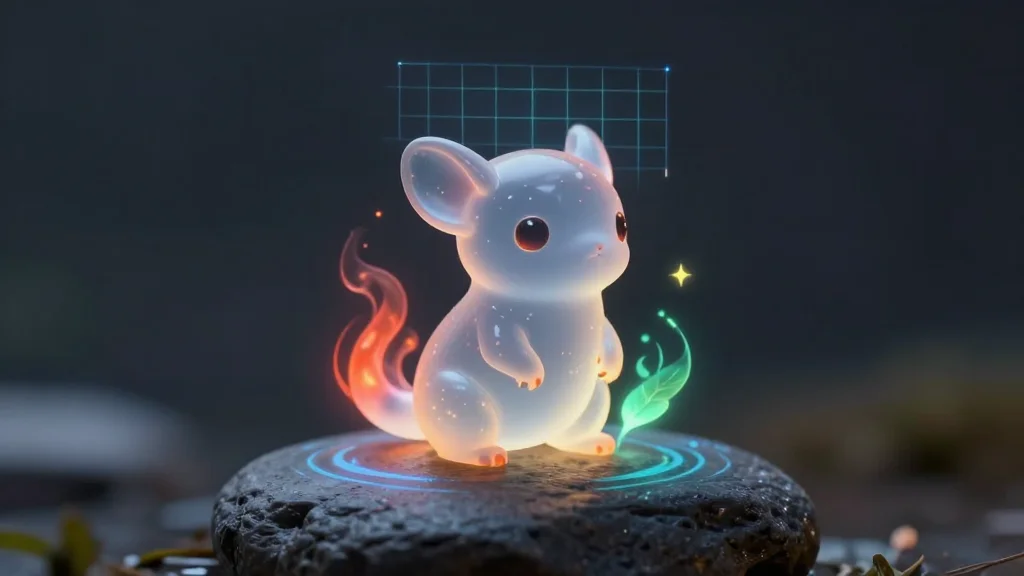
All Animon Types And What They're Weak To In LumenTale: Memories Of Trey
Why It Matters
Understanding the game's individualized weakness system helps players optimize team composition, while the blend of type and attribute mechanics signals a shift toward deeper, data‑driven gameplay in the creature‑collection genre.
Key Takeaways
- •LumenTale features 13 elemental Animon types.
- •Some Animons hide a secondary type discoverable via scanning.
- •Weaknesses are individual, not strictly type‑based.
- •Scanning in battle reveals each Animon's specific weak points.
- •Emotional attributes add strategic depth beyond elemental typing.
Pulse Analysis
LumenTale: Memories of Trey expands the creature‑collection formula popularized by Pokémon by introducing a roster of 13 distinct elemental types—Ancient, Anomalous, Aura, Chakra, Data, Demon, Electric, Fire, Geo, Grass, Ice, Virus, and Water. Each Animon carries at least one visible type, but many conceal a secondary type that only becomes apparent after repeated scans or level‑up events. This hidden‑type mechanic encourages players to engage in deeper exploration and data collection, turning every encounter into a potential discovery rather than a static matchup.
The game departs from traditional type‑matchup charts by assigning weaknesses on a per‑Animon basis. While water Animons generally resist fire and falter against electric, the system warns against blanket assumptions; players must scan opponents to expose exact vulnerabilities. Coupled with five emotional attributes—Felicis, Mestus, Furor, Horrens, and Sereum—this creates layered decision‑making where damage output, healing, critical chance, and resource generation can be tuned on the fly. The dual focus on elemental typing and attribute synergy rewards both analytical planning and adaptive combat.
From a market perspective, LumenTale's nuanced system positions it to capture both casual collectors and competitive strategists, expanding the franchise's monetization avenues through DLC creature packs and attribute‑boost items. The emphasis on scanning and hidden types also fuels community‑driven content such as tier lists and guide databases, echoing the organic growth seen in Pokémon’s fan ecosystem. As developers increasingly blend RPG depth with collectible mechanics, the title serves as a case study in balancing accessibility with depth, a formula that could shape future releases in the genre.
All Animon Types And What They're Weak To In LumenTale: Memories Of Trey
Comments
Want to join the conversation?
Loading comments...