Why It Matters
Understanding these mechanics is crucial for players aiming to maximize in‑game earnings and for developers seeking to fine‑tune monetization loops. The rarity‑based multipliers create a compelling scarcity dynamic that drives engagement and spending.
Key Takeaways
- •Mutations boost crop value up to 10x
- •Rare events like Meteor Shower yield extreme multipliers
- •Variants add flat multipliers on top of mutations
- •Weather conditions dictate mutation chances
- •Stacking mutations and variants maximizes profits
Pulse Analysis
Garden Horizons leverages a sophisticated in‑game economy where weather‑linked mutations act as dynamic rarity tiers. By assigning multipliers to specific conditions—such as Flooded (2x) during rain or Galactic (5x) during a Black Hole event—the game creates a layered incentive structure. Players monitor real‑time weather patterns and scheduled events, turning routine farming into a strategic pursuit of high‑value crops. This design mirrors broader trends in mobile gaming, where time‑bound bonuses and stochastic rewards sustain user interest and increase session length.
The stacking mechanic amplifies profitability, allowing multiple mutations and variants to compound. For example, a plant bearing both Snowy (2x) and Sand (2.5x) mutations reaches a 4.5x multiplier, which can then be further enhanced by a Silver variant (+2x) or a Gold variant (+5x). Such combinatorial possibilities encourage players to experiment with seed types, trait upgrades like Vibrant, and event timing. The resulting high‑value yields often justify in‑app purchases, as players seek shortcuts to acquire rare seeds or boost mutation odds, reinforcing the game's monetization loop.
From a developer perspective, the mutation system provides granular data on player behavior, event participation, and spending patterns. Analyzing which rare events—Meteor Shower, Starfall, or Black Hole—drive the most engagement can inform future content releases and promotional calendars. Moreover, the clear hierarchy of rarity (common to extreme) offers a template for other titles aiming to balance accessibility with aspirational goals. By intertwining weather mechanics, event triggers, and stackable bonuses, Garden Horizons sets a benchmark for immersive, profit‑driven gameplay in the mobile farming genre.
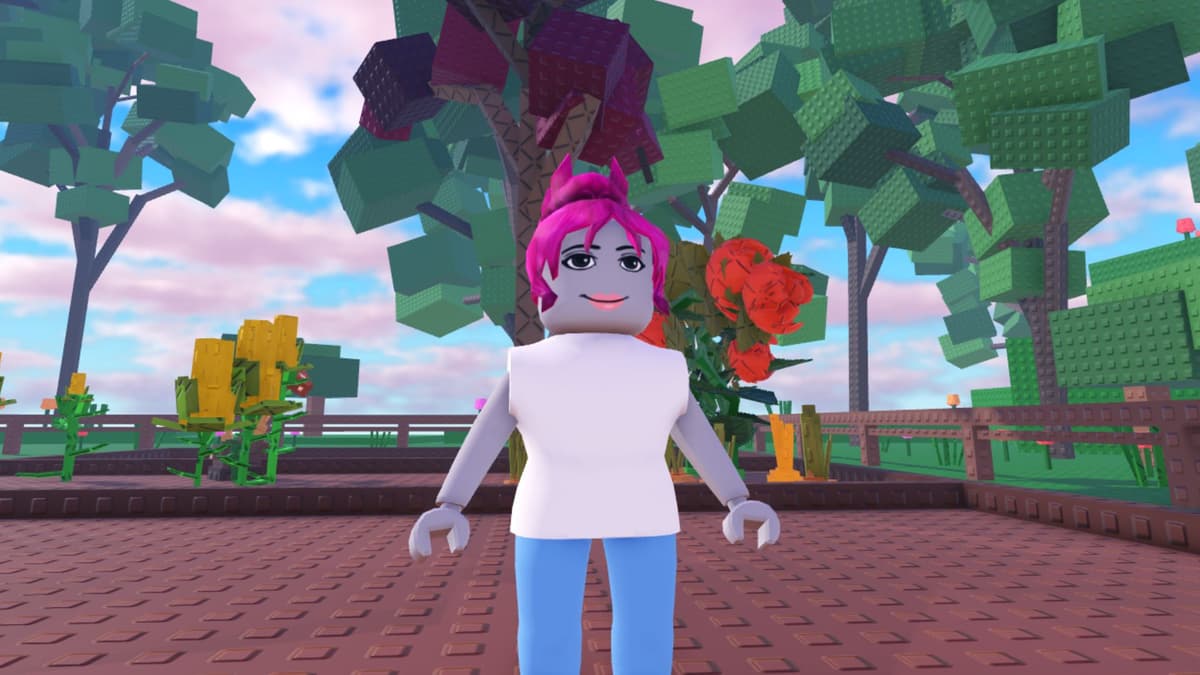
All Garden Horizons mutations and variants
0
Comments
Want to join the conversation?
Loading comments...