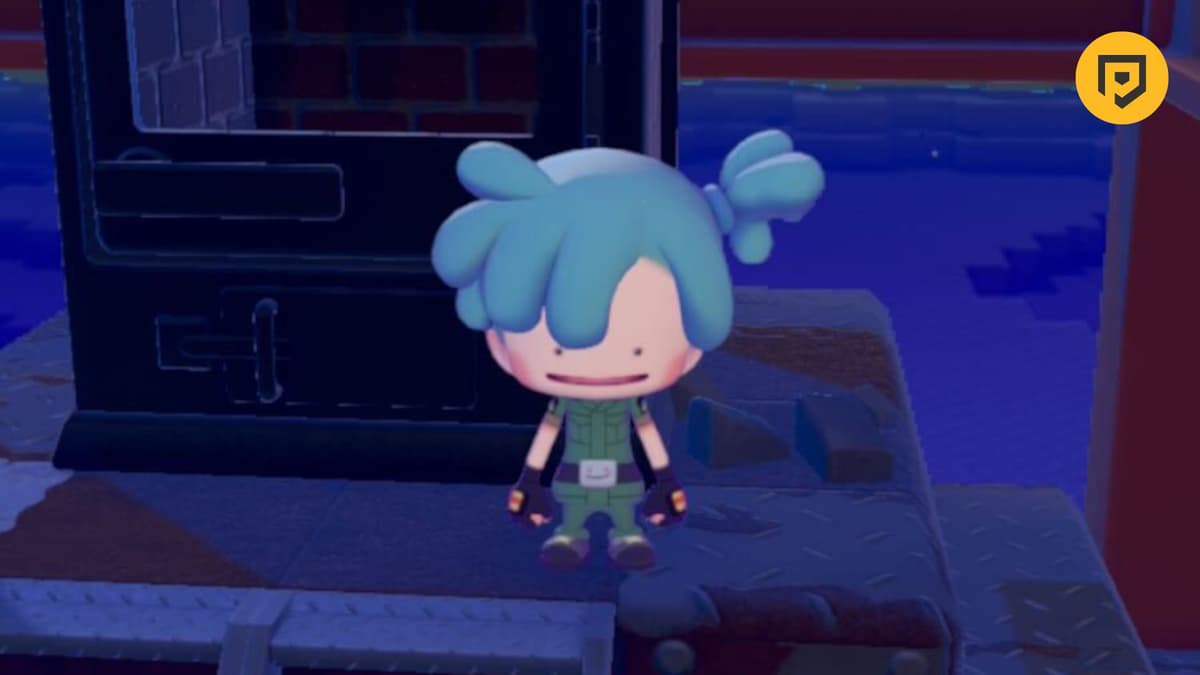
Why It Matters
Cosmetic customization deepens player immersion and drives ongoing engagement, making outfit variety a key retention lever for Pokopia’s live‑service model.
Key Takeaways
- •Outfits unlocked via human records scattered across game world.
- •Mirrors serve as customization hubs for changing attire and appearance.
- •Color variants available for Familiar outfits, enhancing personalization.
- •Outfits reference classic Kanto gym leader designs.
- •Weekly updates add new outfits like Black Belt and Ninja.
Pulse Analysis
Pokopia’s character‑customization system exemplifies the growing emphasis on cosmetic depth in live‑service games. By tying outfit acquisition to exploration—specifically, hidden human records—the title rewards players who invest time in world‑building, turning a simple visual upgrade into a meaningful progression loop. Mirrors, strategically placed in wild zones and player‑built habitats, streamline the wardrobe change process, reinforcing the game’s sandbox ethos while keeping the UI intuitive for both newcomers and veterans.
The aesthetic choices in Pokopia deliberately echo iconic Pokémon lore, with outfits mirroring Kanto gym‑leader motifs and even the notorious Team Rocket garb. This nostalgic design strategy taps into the franchise’s multigenerational fan base, fostering a sense of familiarity that encourages players to showcase their avatars on social platforms. The inclusion of color‑customizable Familiar outfits adds another layer of personalization, allowing users to craft distinct visual identities without affecting gameplay balance.
Looking ahead, the weekly rollout of new costumes—such as the Black Belt and Ninja ensembles—signals Pokopia’s commitment to sustained content pipelines. Regular cosmetic drops not only sustain player interest but also open avenues for microtransaction revenue, aligning with broader industry trends where in‑game skins drive profitability. As the game expands its wardrobe catalog, community‑driven sharing and competitive display will likely become pivotal to its ecosystem, cementing outfits as both a status symbol and a core retention mechanic.
All Pokopia outfits and how to get them
0
Comments
Want to join the conversation?
Loading comments...