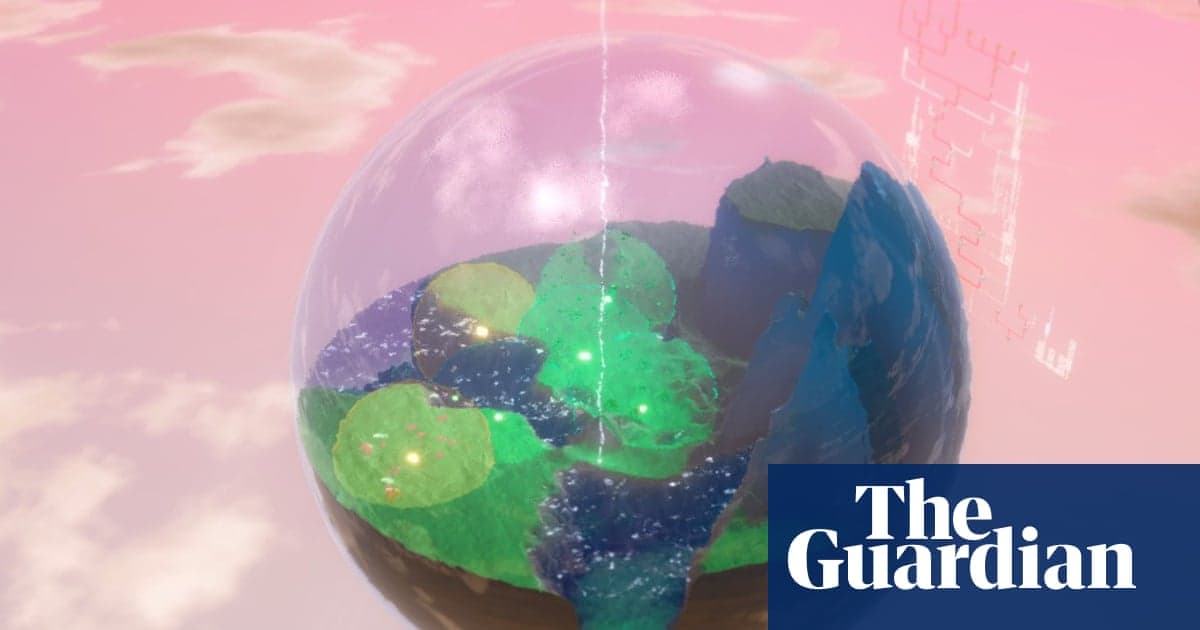
Anlife: What Does an Unusual Evolution Simulator Have to Say About AI?
•February 24, 2026
0


Why It Matters
Anlife demonstrates how reinforcement‑learning AI can generate adaptive in‑game behavior, highlighting both creative possibilities and the limits of procedural depth for the wider gaming industry.
Key Takeaways
- •Anlife uses AI to evolve creature locomotion.
- •Game debuted on Steam after Miyazaki’s 2016 AI critique.
- •Players see emergent movement but gameplay remains minimalist.
- •Highlights “oatmeal problem” in procedural generation.
- •Sparks debate on AI’s creative versus alien potential.
Pulse Analysis
Anlife: Motion‑learning Life Evolution arrived on Steam as a modest life‑simulation sandbox, yet its backstory links directly to one of animation’s most vocal critics. In 2016, Hayao Miyazaki publicly dismissed an early AI‑driven animation prototype as “an insult to life”, a moment that has haunted its developers. A decade later they released Anlife, positioning the title as a quiet experiment that lets players watch AI‑generated creatures adapt, move, and reproduce. The game’s aesthetic—soft pastel valleys and ambient bleeps—contrasts sharply with the philosophical weight of its origins.
The core of Anlife is a lightweight neural‑network engine that evolves locomotion strategies through reinforcement learning. As players introduce food or obstacles, the system mutates joint configurations, producing novel crawling, swimming, or gliding motions. While the visual output is charming, critics point to the “oatmeal problem”: endless variations that are technically unique but lack substantive depth, reducing the experience to a click‑driven idle. Nevertheless, the emergent behaviors demonstrate how procedural AI can generate content without hand‑crafted animation pipelines, offering a glimpse into scalable, adaptive asset creation.
From a business perspective, Anlife signals a shift from AI as a mere content‑generation shortcut toward a platform for experimental gameplay. Studios eyeing cost‑effective asset pipelines may adopt similar reinforcement‑learning tools, while indie developers can leverage them to craft distinctive experiences without large art teams. More importantly, the title invites a broader conversation about AI’s potential to produce alien intelligences that challenge human design assumptions, echoing early warnings about mimetic plagiarism. As the industry balances efficiency with originality, games like Anlife could become testbeds for the next generation of AI‑driven interactivity.
Anlife: what does an unusual evolution simulator have to say about AI?
0
Comments
Want to join the conversation?
Loading comments...