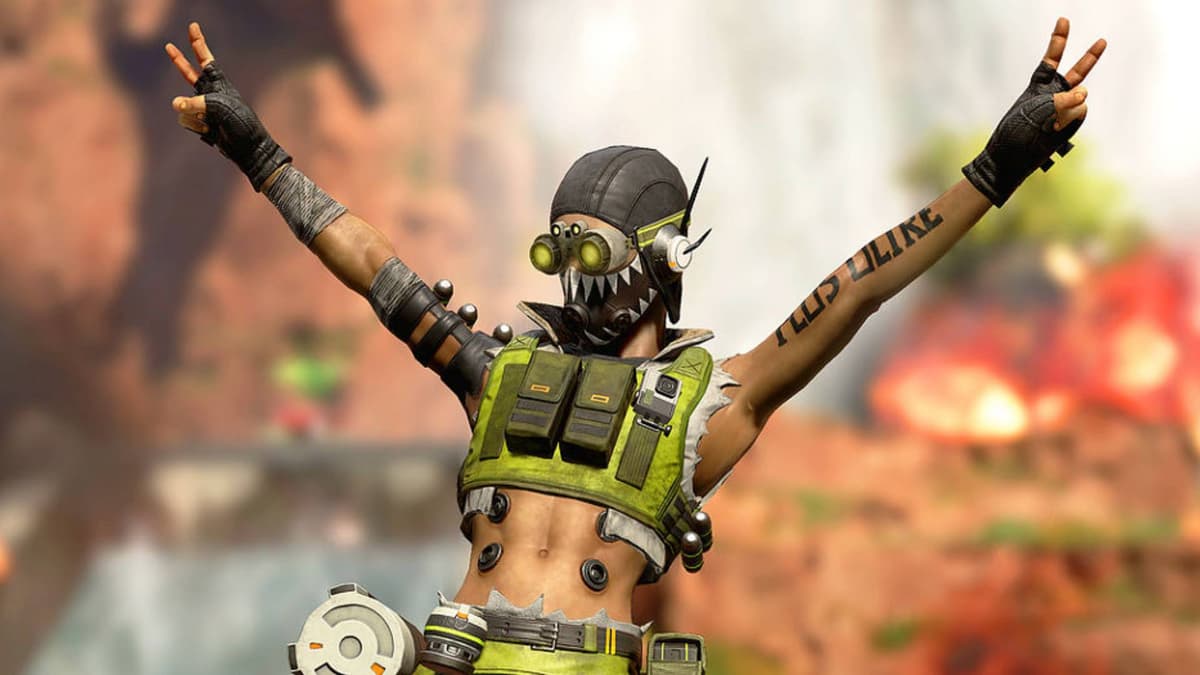
Apex Legends Finally Nerfs It's Most Overpowered Character, but My Guy Fuse Is Still Completely Useless
•February 24, 2026
0
Why It Matters
Balancing hero abilities directly impacts player satisfaction and competitive fairness, influencing Apex Legends’ retention and revenue.
Key Takeaways
- •Octane's stim buff removed, speed reduced.
- •Fuse's new ultimate remains ineffective.
- •Fuse pick‑rate fell ~20% since Season 28 start.
- •Respawn aims to curb Octane dominance.
- •Future updates may overhaul Fuse's ultimate.
Pulse Analysis
Live‑service shooters like Apex Legends constantly walk a tightrope between innovation and balance. In Season 28, Respawn’s aggressive buffs to Octane’s stim ability pushed his win‑rate into “unhealthy” territory, prompting complaints that the fastest legend became nearly untouchable. The latest hotfix strips the “Fortified” damage‑reduction tag and trims the speed boost, bringing Octane back into a more targetable range while preserving most of his new utility. This data‑driven adjustment illustrates how developers monitor telemetry to prevent a single character from dominating the competitive ladder.
Fuse, the Australian grenadier introduced earlier this year, tells a different story. Despite a high‑profile rework, his new ultimate—intended to replace the reliable Motherlode—has been described as “damp biscuit” by the community, often dealing no damage at all. Apex Legends Status shows his pick‑rate has slipped nearly 20 % since the season’s launch, a clear signal that players are abandoning a kit that feels more like a handicap than an asset. The lack of an immediate fix raises questions about Respawn’s willingness to roll back underperforming changes.
The twin narratives of Octane’s nerf and Fuse’s stagnation are reshaping the current meta. As players gravitate toward proven legends such as Bloodhound, the competitive scene may see a temporary rebalancing of weapon and ability synergies. For Respawn, maintaining a healthy hero ecosystem is crucial for player retention and monetization, especially as new legends are slated for future seasons. Ongoing monitoring and swift patches will likely become standard practice to keep the game’s ecosystem both fresh and fair.
Apex Legends finally nerfs it's most overpowered character, but my guy Fuse is still completely useless
0
Comments
Want to join the conversation?
Loading comments...