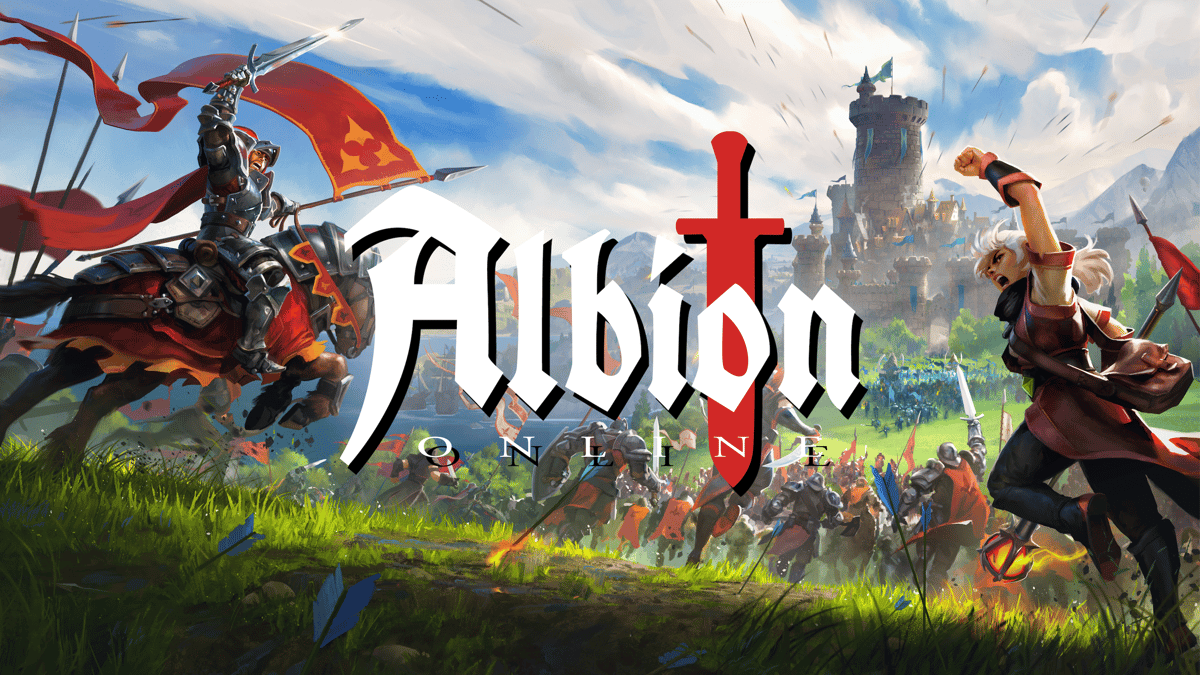
Architecting Albion Online: How Sandbox Interactive Built a PvP MMO to Scale Across Platforms
Companies Mentioned
Why It Matters
The architecture shows that a single Unity codebase can deliver fair, high‑performance PvP at massive scale, offering a blueprint for indie studios targeting multi‑platform longevity. Faster iteration, global server distribution and community‑driven updates directly boost player retention and revenue potential.
Key Takeaways
- •Single Unity project powers PC, mobile, Xbox with platform‑specific UI
- •Simulation layer runs outside Unity, keeping gameplay logic platform‑agnostic
- •Jenkins CI delivers daily builds, catching errors before release
- •Server split to Asia and Europe reduced latency, grew player base
- •Controls redesigned per platform to balance mouse, touch, and gamepad inputs
Pulse Analysis
Sandbox Interactive’s technical strategy hinges on a unified Unity project that serves every supported platform. By abstracting input handling and employing platform‑specific UI profiles, developers can flip between desktop and mobile layouts within the same editor, accelerating iteration. The move from Unity’s Built‑In Render Pipeline to the Scriptable Render Pipeline will further tailor graphics performance, allowing high‑end consoles to leverage deferred rendering while mobile devices retain lightweight forward rendering.
Performance reliability stems from a strict separation of concerns: the core simulation runs independently of Unity’s rendering engine, forming a clean Model‑View‑Controller stack. This decoupling lets the client predict actions locally while the authoritative server validates outcomes, preventing visual bottlenecks from affecting gameplay. A Jenkins‑orchestrated CI/CD pipeline generates daily builds for all targets, automatically flagging missing references, oversized meshes, and data inconsistencies, which dramatically reduces regression bugs and shortens time‑to‑market for new content.
Beyond technology, Sandbox’s community‑centric approach fuels longevity. Early feedback prompted the split of a single US‑hosted server into regional nodes in Asia and Europe, slashing latency and attracting a broader player base. By involving dedicated players in feature design and iterating on platform‑specific controls, the studio balances mouse‑keyboard precision with touch and gamepad ergonomics, preserving competitive fairness. This blend of scalable architecture and active community stewardship offers a replicable model for developers aiming to sustain MMOs across an expanding ecosystem of devices.
Architecting Albion Online: How Sandbox Interactive built a PvP MMO to scale across platforms
Comments
Want to join the conversation?
Loading comments...