Ark Modder Issues Statement After Being Called "Lazy" And "Uncreative" For Reusing Assets From an Abandoned Game
•March 2, 2026
0
Why It Matters
The controversy highlights the tension between creative expectations and practical constraints in community‑driven game extensions, influencing how studios and modders approach asset sharing and fan perception.
Key Takeaways
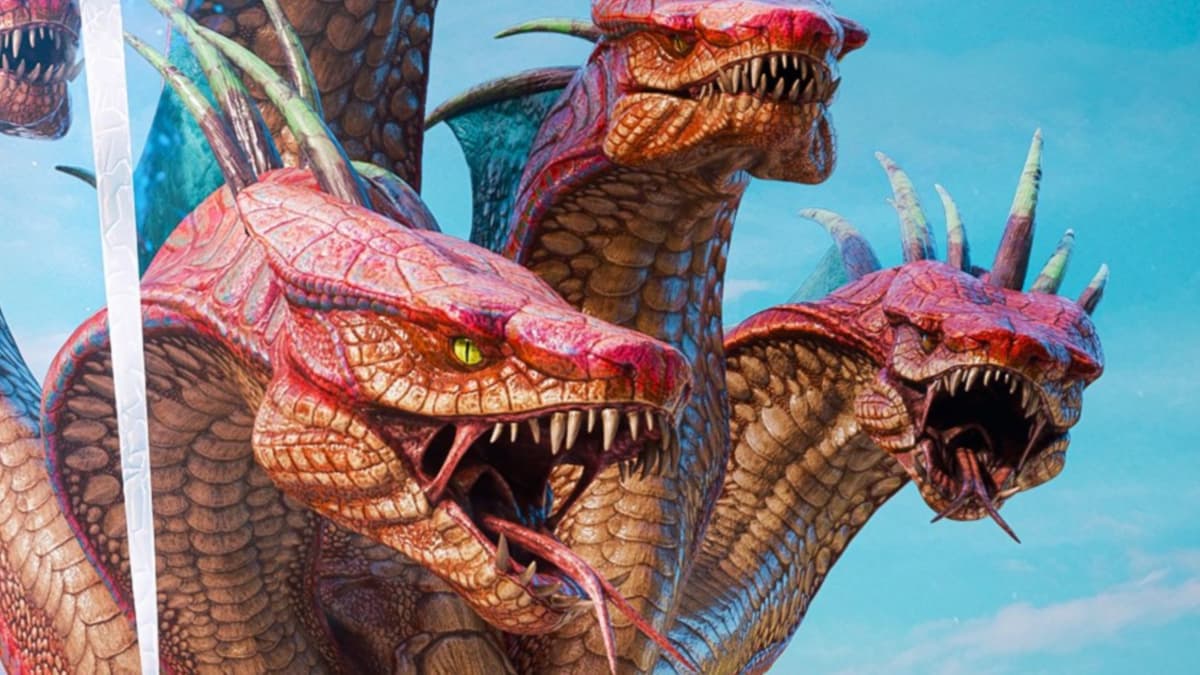
- •Nekatus reused Atlas Hydra for Astraeos Hydraskos boss.
- •Community labeled reuse “uncreative,” sparking debate.
- •Developer clarified role as level designer, not asset creator.
- •Some fans defended reuse as smart, resource‑efficient.
- •Atlas remains in early access, assets now repurposed.
Pulse Analysis
The Astraeos update for Ark Survival Ascended reignited a long‑standing debate about asset reuse in user‑generated content. By transplanting the Hydra boss from Atlas—a game that has languished in early access for years—Nekatus aimed to enrich the new map without building a creature from scratch. While the move delivered immediate visual impact, many players perceived it as a shortcut, accusing the developer of lacking originality. This reaction underscores how tightly knit gaming communities scrutinize every design choice, especially when beloved titles intersect.
From a development standpoint, Nekatus’s explanation reflects a pragmatic reality: modders often specialize in level design, scripting, or gameplay balance rather than 3D modeling or animation. Reusing existing assets can accelerate production cycles, reduce costs, and maintain consistency across related franchises. However, such practices raise questions about intellectual‑property stewardship, licensing clarity, and the perceived value of original content. Studios that endorse community mods must balance encouraging creative freedom with setting expectations for originality, lest they alienate a fan base that prizes novelty.
The broader industry sees similar patterns when early‑access titles like Atlas fade from active support. Unused assets become a reservoir for other projects, extending their lifespan and offering fans a sense of continuity. This cross‑pollination can revitalize dormant IPs, but it also blurs the lines between distinct game worlds. As developers navigate the twilight of early‑access games, transparent communication about asset reuse will be crucial to maintaining trust and fostering sustainable mod ecosystems.
Ark modder issues statement after being called "lazy" and "uncreative" for reusing assets from an abandoned game
0
Comments
Want to join the conversation?
Loading comments...