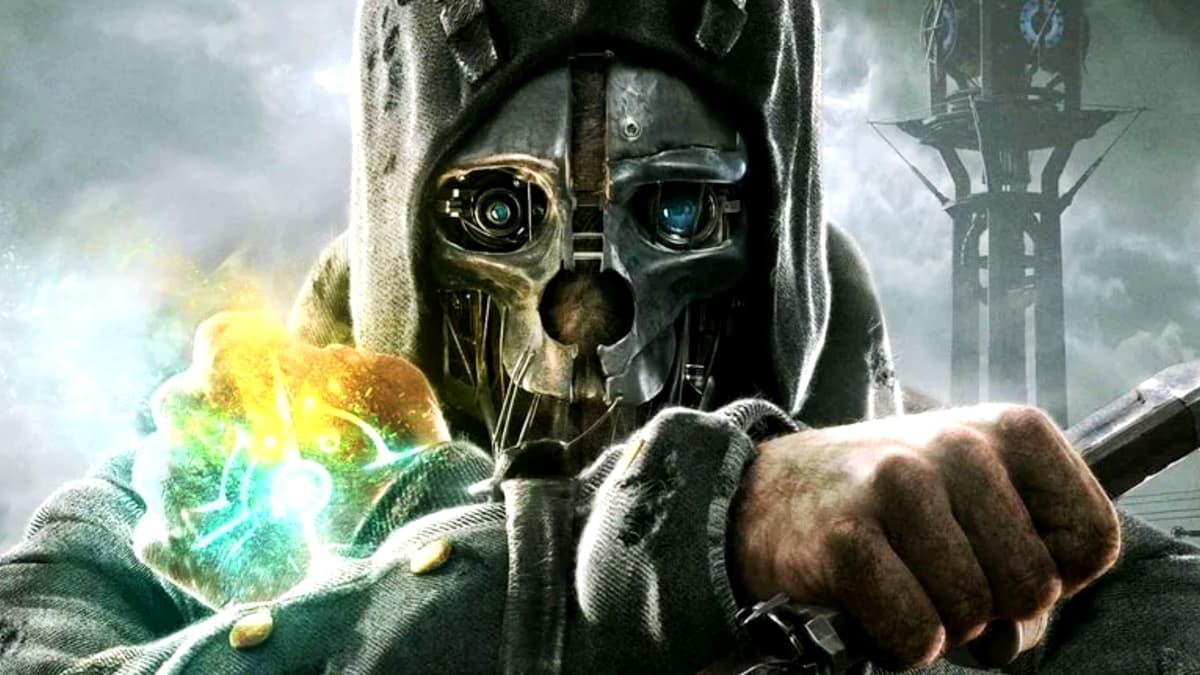
Arkane's Dishonored Always Felt Like a Secret Thief Sequel, and That's because It Started Life as One
Why It Matters
The pivot illustrates how publisher‑driven IP choices can reshape a studio’s creative direction, spawning a new franchise that redefined modern stealth gaming.
Key Takeaways
- •Dishonored began as Arkane's planned Thief 4 prototype
- •Bethesda offered Arkane either Thief 4 or Blade Runner project
- •Both proposals collapsed, leading to Dishonored’s creation
- •Co‑directors shared decision‑making, a first for both
- •Stealth mechanics in Dishonored stem from original Thief concepts
Pulse Analysis
When Bethesda first courted Arkane Austin, the studio faced a crossroads: revive the beloved Thief series with a fourth entry or venture into a Blade Runner adaptation. The publisher’s dual offer reflected a broader industry trend of leveraging legacy IPs to secure financial stability for smaller developers. Arkane, still recovering from a precarious business position, saw the Thief option as a lifeline, while the Blade Runner concept appealed to co‑director Harvey Smith’s cinematic enthusiasm. Ultimately, the collapse of both deals forced the team to reimagine their work under a new banner.
The resulting Dishonored inherited much of the Thief prototype’s core systems—first‑person stealth, environmental navigation, and a focus on player agency. Co‑directors Colantonio and Smith merged their distinct visions, balancing Thief’s methodical heist sensibilities with Arkane’s penchant for emergent combat. This hybrid approach birthed a game that feels like a secret Thief 4, yet expands into a broader immersive‑sim experience through powers, verticality, and narrative depth. The shared direction model, though initially uncomfortable, fostered a collaborative feedback loop that refined level design and AI behavior, setting a new benchmark for stealth titles.
Dishonored’s origin story offers a cautionary tale for studios negotiating IP assignments. It shows that flexibility and willingness to pivot can turn a potentially stalled project into a genre‑defining success. Modern developers can learn from Arkane’s experience: preserving core gameplay DNA while embracing new thematic elements can yield fresh, market‑ready products. As the industry continues to recycle and reboot classic franchises, the Dishonored case underscores the value of creative resilience and strategic rebranding in an ever‑evolving gaming landscape.
Arkane's Dishonored always felt like a secret Thief sequel, and that's because it started life as one
Comments
Want to join the conversation?
Loading comments...