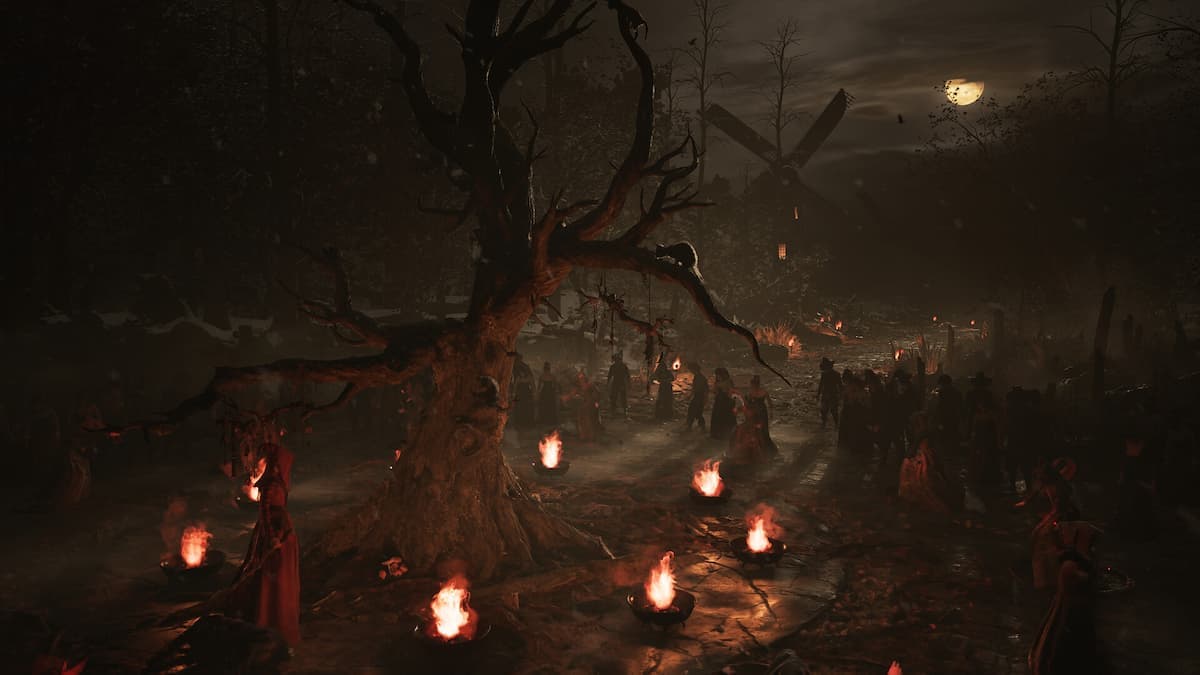
Assassin’s Creed Creator’s New Game, 1666: Amsterdam, Is the Best Kind of Strange and Weird
Why It Matters
The game leverages a historically rich backdrop to differentiate itself in the crowded action‑adventure market, potentially attracting both history buffs and fans of surreal storytelling. Its early demo offers valuable feedback that could shape a standout indie‑scale title from a high‑profile creator.
Key Takeaways
- •Demo released on Steam, free to play
- •Set in 1660s Dutch Golden Age
- •Focus on witchcraft and time travel
- •Art style blends horror with action‑adventure
- •Writing and puzzle hints need refinement
Pulse Analysis
The announcement of *1666: Amsterdam* marks a notable pivot for the studio behind Assassin’s Creed, a franchise known for meticulous historical immersion. By entrusting the project to Panache Digital Games, the creator aims to blend his expertise in period detail with a more experimental, horror‑infused aesthetic. The free demo, launched alongside the reveal, serves as a low‑risk entry point for gamers to gauge the title’s tone and mechanics before a full release, a strategy increasingly common among mid‑scale developers seeking community input early on.
Amsterdam in 1666 offers a fertile narrative canvas: the city was at the height of the Dutch Golden Age, buoyed by the wealth of the Dutch East India Company and a flourishing cultural scene. Simultaneously, the era was marked by intense religious fervor and witch persecutions, providing a natural conflict for a game centered on occult powers. By weaving these historical threads with speculative time‑travel elements, the developers can explore themes of power, superstition, and the clash between enlightenment and fear, appealing to players who appreciate depth beyond surface‑level action.
From a market perspective, *1666: Amsterdam* enters a niche where dark fantasy meets historically grounded storytelling—a space currently occupied by titles like *Dishonored* and *The Order: 1886*. Its early demo feedback highlights strengths in visual design but also points to over‑guided puzzle design, a common criticism that could be addressed before launch to enhance replayability. If the studio refines its narrative and gameplay balance, the game could set a new benchmark for indie‑scale productions that blend scholarly research with avant‑garde art direction, potentially influencing future releases that aim to marry education with entertainment.
Assassin’s Creed creator’s new game, 1666: Amsterdam, is the best kind of strange and weird
Comments
Want to join the conversation?
Loading comments...