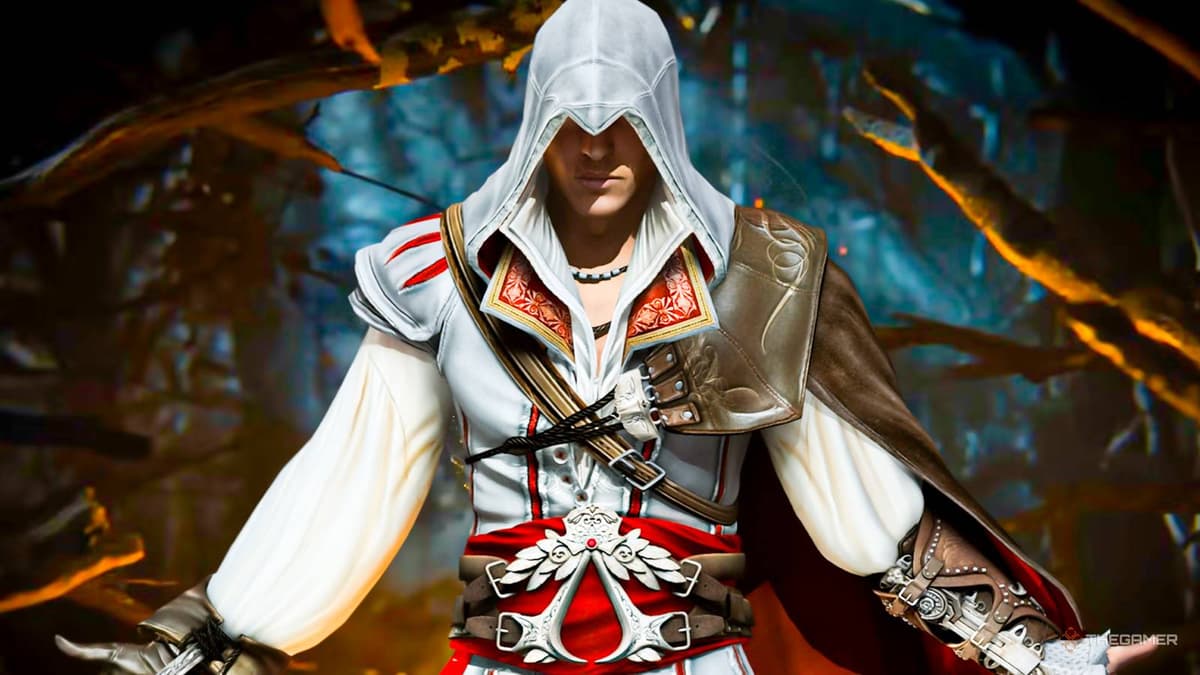
Assassin's Creed Hexe Reportedly Planned To Bring Ezio Back
•February 28, 2026
0
Companies Mentioned
Why It Matters
A Ezio cameo could reignite fan enthusiasm and reinforce Ubisoft’s strategy of leveraging legacy characters to sustain franchise momentum, while the postponement reshapes the company’s product roadmap for 2027.
Key Takeaways
- •Ezio may appear as mentor in Assassin's Creed Hexe.
- •Game delayed to holiday 2027 amid leadership changes.
- •Timeline mismatch raises questions about Ezio’s age and role.
- •Ubisoft continues trend of reviving legacy characters.
- •Upcoming Black Flag remake could shift focus from Hexe.
Pulse Analysis
Assassin’s Creed Hexe explores the turbulent era of the German witch trials, positioning newcomer Ella at the heart of supernatural intrigue. By potentially inserting Ezio Auditore as a mid‑game mentor, Ubisoft aims to bridge the franchise’s Renaissance roots with its new witch‑craft narrative, despite the chronological gap between Ezio’s 1524 death and the 1560s witch hysteria. This juxtaposition offers a fresh storytelling device while honoring long‑time fans who associate the series with the iconic Italian assassin.
Ubisoft has repeatedly mined its own history, reviving characters like Altair, Kassandra, and now possibly Ezio to sustain engagement across multiple titles. The reported exit of creative director Clint Hocking adds uncertainty to Hexe’s development, prompting a shift to a holiday 2027 release window. Such delays are not uncommon in large‑scale AAA projects, yet they risk diluting momentum built around legacy character announcements. By anchoring Hexe with a familiar face, Ubisoft hopes to offset the risk and maintain narrative continuity within the broader Assassin’s Creed universe.
From a market perspective, the postponement positions Hexe against a crowded 2027 launch calendar, where competitors will unveil their own historical or fantasy IPs. Ubisoft’s parallel focus on a Black Flag remake and the Invictus multiplayer spin‑off suggests a diversified pipeline designed to smooth revenue streams while Hexe matures. Analysts will watch the upcoming fiscal call for clues on how the delayed title fits into Ubisoft’s long‑term growth strategy, especially as legacy‑character tie‑ins become a proven lever for fan retention and cross‑title synergy.
Assassin's Creed Hexe Reportedly Planned To Bring Ezio Back
0
Comments
Want to join the conversation?
Loading comments...